



Antique Metal Park Seat
An antique metal park seat brings enduring structure and outdoor character to a garden, offering a solid resting place shaped by decades of weathering.
Antique Metal Park Seat
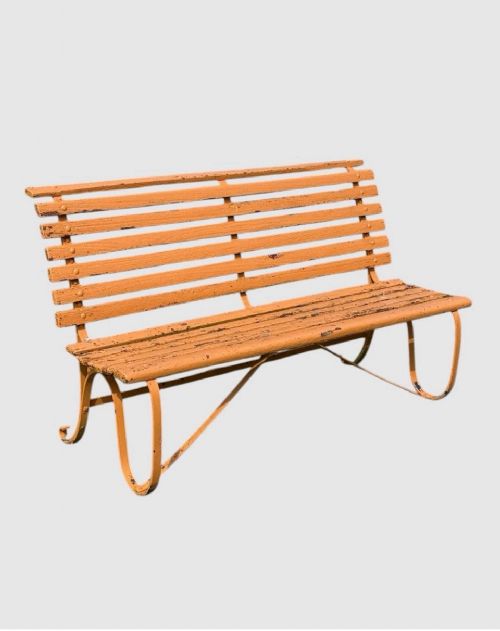
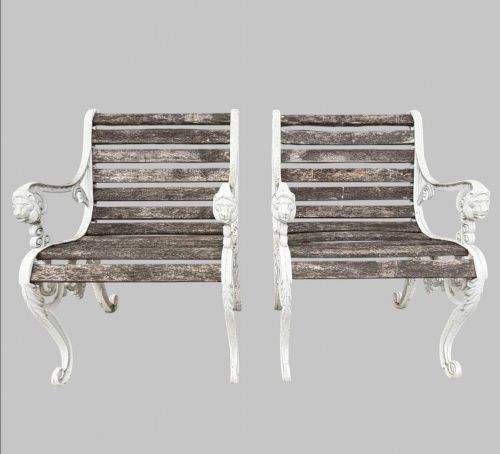
An antique metal park seat comprises robust garden seating designed for longevity in open air, appearing frequently across this selection in forms ranging from two-seater garden benches to individual garden armchairs. Buyers exploring this category will encounter pieces originating from distinct historical periods, most notably the nineteenth century alongside Victorian, Regency, Edwardian, and interwar eras.
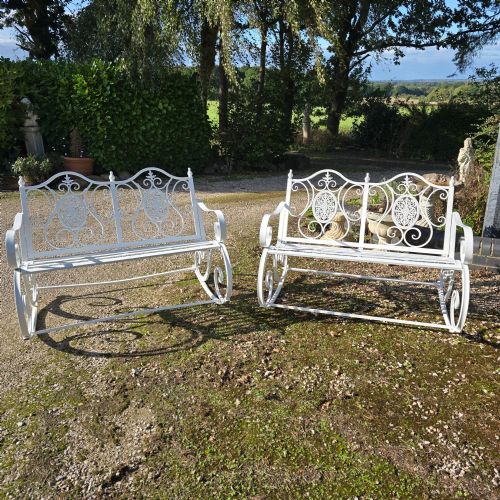
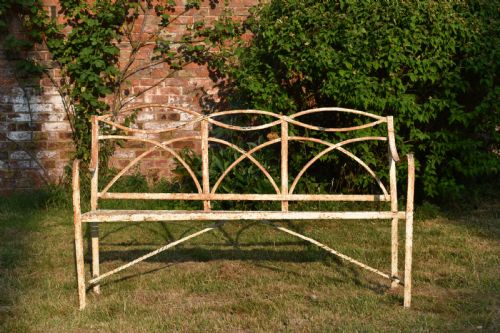
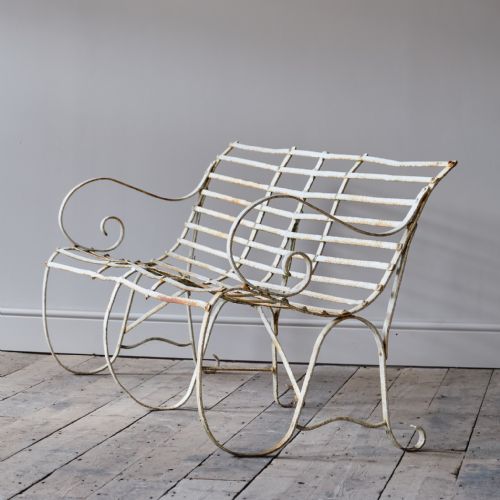
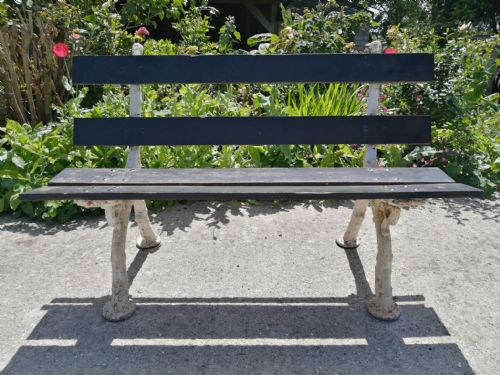
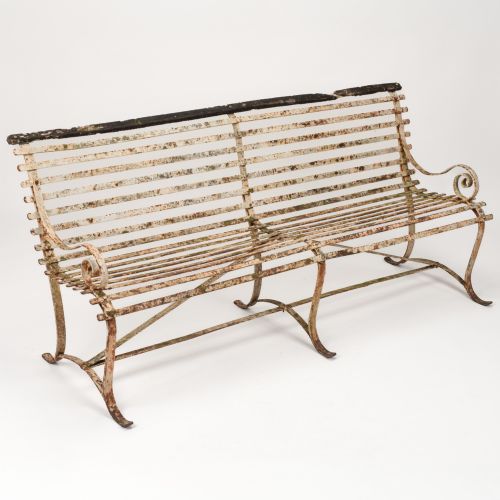
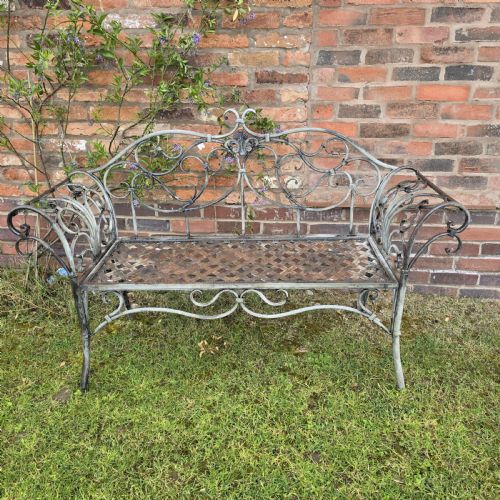
The physical forms span traditional strapwork constructions, decorative scroll benches, and rustic faux bois designs alongside Arras styles and paired armchairs. These seats served public grounds and private estates alike, adapting over generations while retaining their core architectural utility outdoors.
What varies in quality
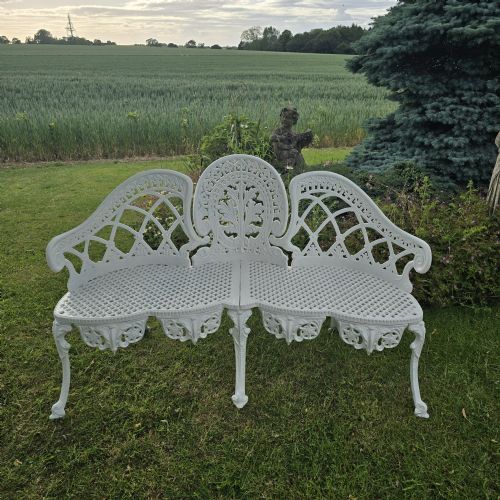
The refinement of the casting and forging separates standard utilitarian examples from finer decorative works, particularly in the crispness of details like lion masks or foliage motifs. Superior examples display balanced proportions and careful integration between metal frames and wooden elements.
The survival of original surface finishes and early paint layers adds distinct character and authenticity to a piece. Heavier gauge metalwork and intact structural joins indicate higher standards of original manufacture and better endurance over time.
Antique Metal Park Seat Retail Price Guide 2026
Typical asking prices for metal park seat among the pieces listed under this phrase on Sellingantiques today, from the lower quarter to the upper quarter. They describe what is for sale here now, not the wider market.
Listings feature pieces spanning the 19th century, Victorian, Regency, Edwardian, and 1930s periods.
Coalbrookdale
The Antique Metal Park Seat Glossary
- Cast iron
- Iron melted and poured into a mould to create rigid and ornate decorative components. It provides significant weight and intricate detail to nineteenth-century garden furniture.
- Wrought iron
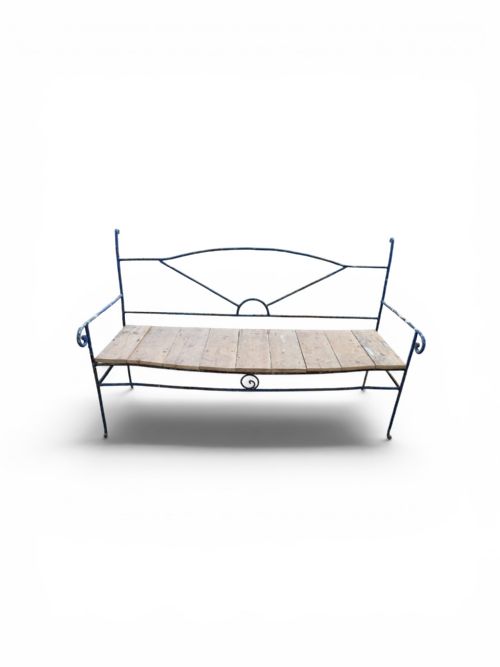
- Iron heated and hammered into shape by hand, resulting in tough, fibrous metalwork. This technique produces flexible structural elements like strapwork and scrolls.
- Strapwork
- A decorative pattern of flat, intersecting metal bands resembling leather straps. It defines the open, geometric backs of many Regency and Victorian garden benches.
- Faux bois
- An artistic imitation of wood grain rendered in metal or concrete. In park seats, iron frames are often moulded to mimic natural branches and bark.
- Arras
- A distinct style of French metal garden furniture originating from the northern town of Arras. These pieces typically feature sheet metal construction with riveted strapwork.
Antique Metal Park Seat: Frequently Asked Questions
How do I identify a Victorian metal park seat?
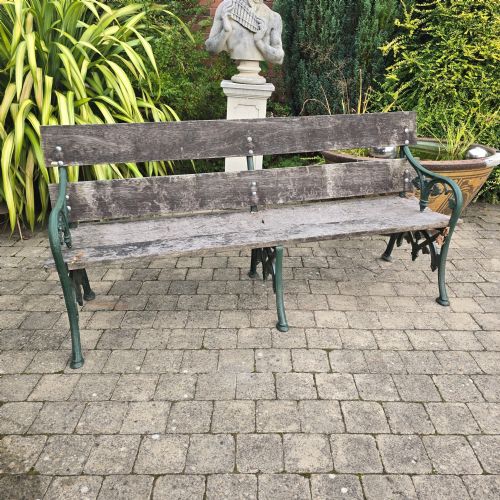
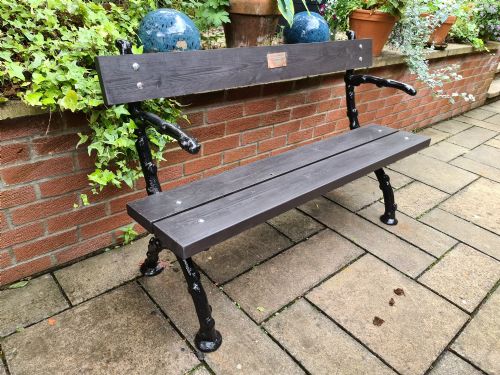
Victorian metal park seats typically feature heavier cast iron frames decorated with floral motifs, geometric strapwork, or rustic branch designs. They often incorporate timber slats alongside robust metal supports.
Clues to this period also lie in the weight of the metal and the complexity of the foundry work, which frequently reflects the industrial capabilities of the nineteenth century.
Are these seats suitable for permanent outdoor use?
These seats were originally engineered for continuous outdoor placement in public parks and private gardens. Their heavy iron construction ensures stability against wind and weather.
Maintenance involves monitoring surface paint and timber condition to protect against moisture, allowing the metal to endure outdoors as intended.
What is the difference between cast iron and wrought iron benches?
Cast iron is formed by pouring molten metal into a mould, allowing for ornate decorative details and heavy, rigid frames. Wrought iron is heated and hammered by hand into flexible shapes like scrolls and strapwork.
Benches often combine both materials, using cast iron for decorative ends and wrought iron for structural strapwork.
How should I care for original paint on a park seat?
Preserving original paint layers involves gentle cleaning without harsh chemical strippers or abrasive scrubbing. Many collectors prefer to leave weathered patinas intact as evidence of age.
If repainting is necessary for preservation, matching traditional finishes helps maintain the historical appearance of the metalwork.