





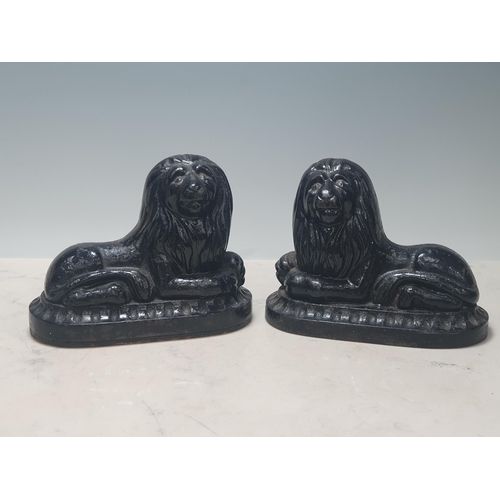

Antique Metal Lion Statue
An antique metal lion statue brings weight and presence to a room, cast in bronze, brass, iron or pewter.
Antique Metal Lion Statue
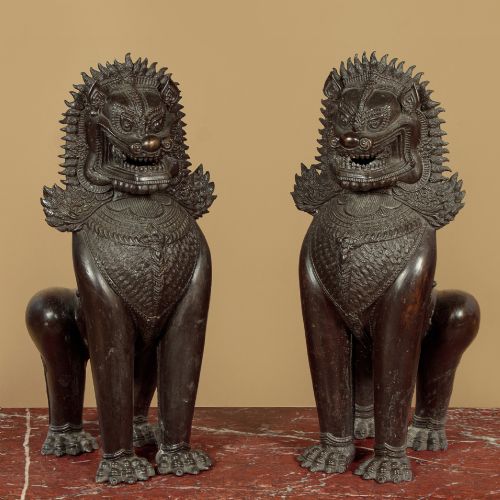
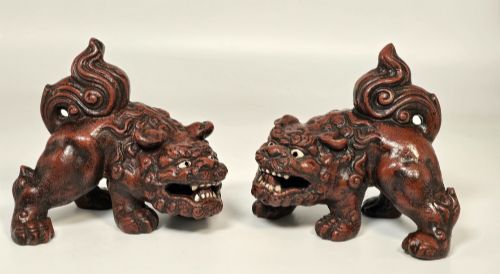
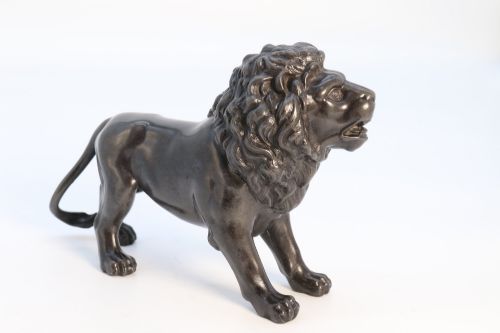
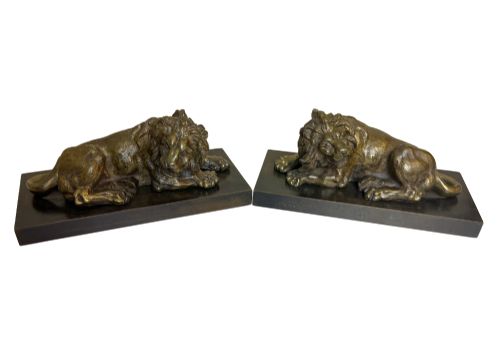
An antique metal lion statue encompasses sculptural figures cast from materials such as bronze, brass, cast iron, pewter and patinated metal. These pieces emerge from the nineteenth century and the early twentieth century, spanning periods including the Victorian era, the Meiji period, and the Grand Tour tradition.
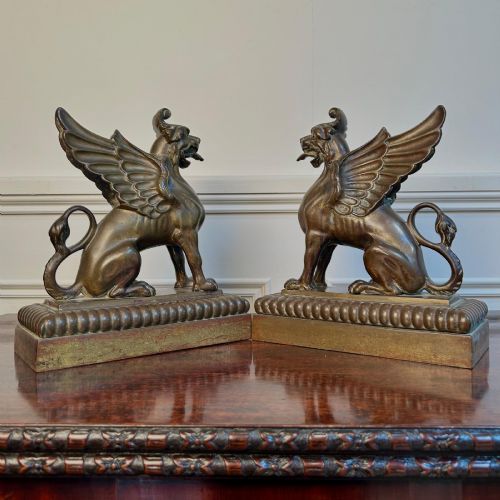
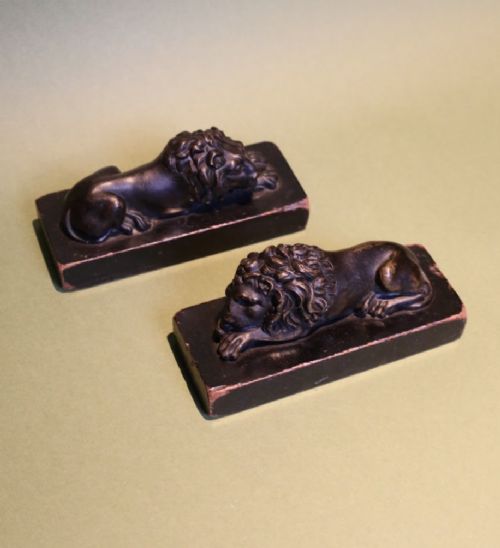
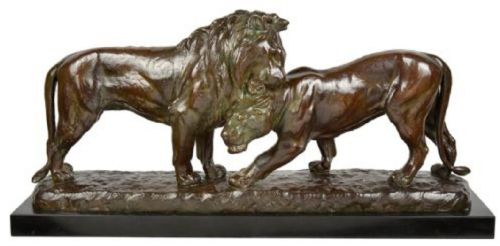
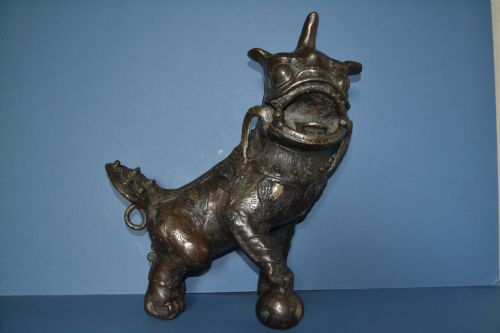
The selections on this page appear as single studies or balanced pairs, often taking the form of resting, recumbent or seated beasts. Forms range from classical Canova lions to temple figures, foo dogs, and regional interpretations originating from England, France, Japan, Tibet and Burma.
Buyers seeking an antique metal lion statue frequently encounter sculptural objects that function as mantel ornaments, desk studies or architectural guards. These works reflect diverse stylistic influences, moving between Neoclassical restraint, Victorian Gothic Revival, Chinoiserie and Southeast Asian temple motifs.
Materials and casting methods
Makers utilised casting techniques in bronze, brass, iron and pewter to achieve durable definition in each antique metal lion statue. Molten metal poured into moulds captured the musculature, manes and facial expressions intended by the sculptor.
Surface finishes applied to the base metal include patination, black paint, gilding and mirroring. These treatments alter the visual texture of the metal, heightening contrast in the mane and claws while protecting the underlying alloy over decades of display.
Antique Metal Lion Statue Retail Price Guide 2026
Typical asking prices for metal lion statue among the pieces listed under this phrase on Sellingantiques today, from the lower quarter to the upper quarter. They describe what is for sale here now, not the wider market.
Listings feature pieces cast in bronze, brass, cast iron, pewter and patinated metal from the nineteenth and early twentieth centuries.
Assessing quality in metal sculpture
Weight and balance also distinguish superior works, particularly in pairs where symmetry matters. The depth of the patination and the integrity of the original surface finish contribute significantly to the visual impact of the piece.
Unno Shomin·Louis Riche
The Antique Metal Lion Statue Glossary
- Canova Lions
- Sculptural models replicating the iconic tomb monuments by Antonio Canova. These lions frequently appear in pairs on Grand Tour souvenirs.
- Okimono
- Japanese decorative objects designed for display, often carved or cast with immense intricacy. These works demonstrate high technical skill from makers working in iron and other metals.
- Patinated Metal
- Metal surfaces altered by chemical processes or age to produce a stable decorative coating. This finish enhances the tonal variation across the sculpture.
- Recumbent
- Posture depicting an animal lying down while keeping its head raised. This pose provides a stable base for heavy metal castings on furniture.
Antique Metal Lion Statue: Frequently Asked Questions
How do I clean an antique metal lion statue?
Dust the sculpture gently with a soft dry brush to prevent dirt accumulation in the crevices of the mane and paws. Avoid abrasive cloths or chemical polishes that can strip original patination or paint.
Maintain stable indoor humidity levels to protect iron and bronze surfaces from environmental moisture. Professional conservation advice is recommended for pieces showing active corrosion.
Where should I place a heavy metal lion?
Position heavier pieces on sturdy furniture such as sideboards, mantelpieces or dedicated pedestals capable of supporting substantial weight. Ensure the display surface remains level to prevent accidental tipping of dense bronze or iron castings.
Keep statues away from direct sources of extreme heat or dampness to preserve the integrity of the metal and any applied surface finishes.
Are these statues usually sold in pairs?
Many listings feature balanced pairs designed to sit symmetrically on either side of a fireplace, doorway or shelving unit. These matched sets often depict guardian animals facing inward toward one another.
Single studies also appear frequently, created as standalone desk ornaments or cabinet pieces rather than architectural guards.
How can I tell the difference between iron and bronze?
Cast iron typically appears heavier, more rigid in texture, and often carries a painted or oxidised surface finish. Bronze yields a warmer metallic tone beneath its patination and allows for sharper, finer chiselling of surface details.
A gentle test with a small magnet can help confirm iron content, as bronze is non-ferrous and will not attract the magnet.