

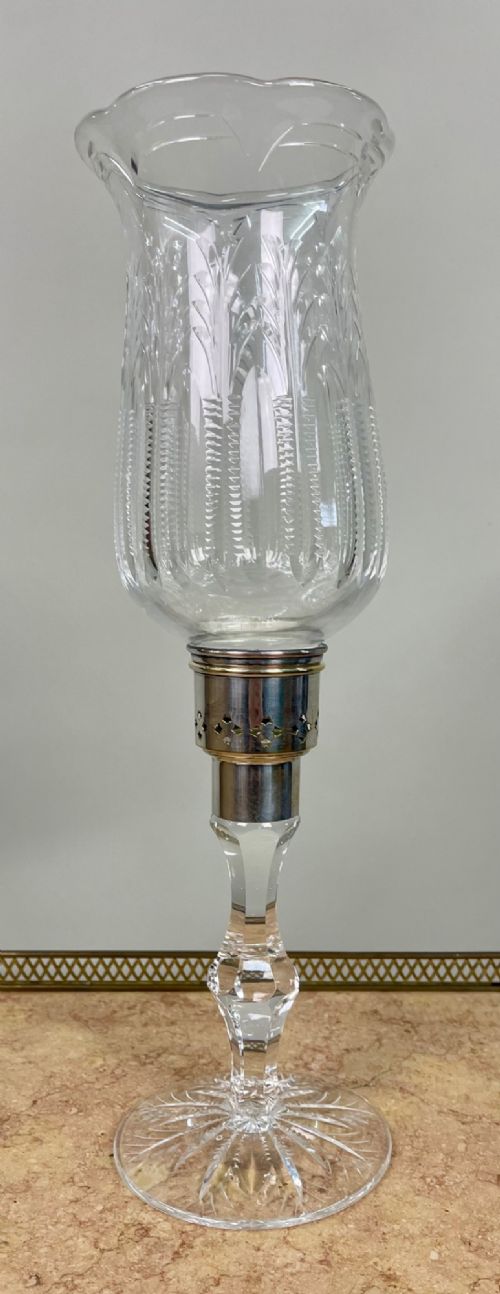
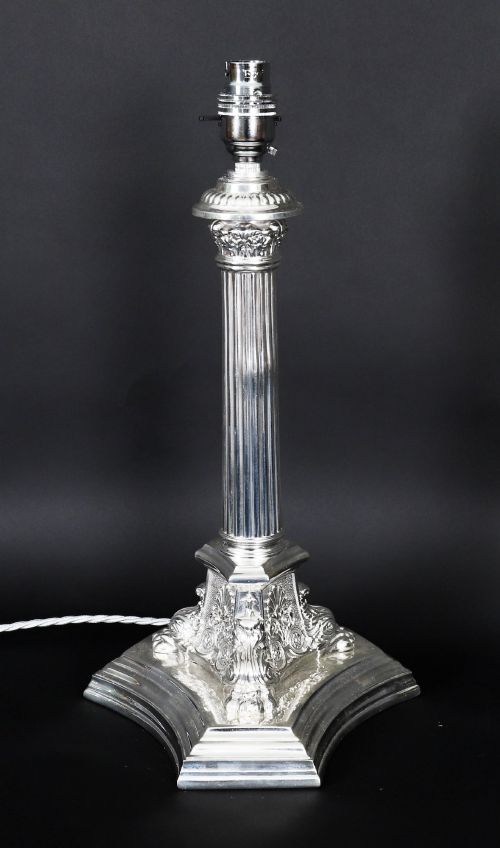
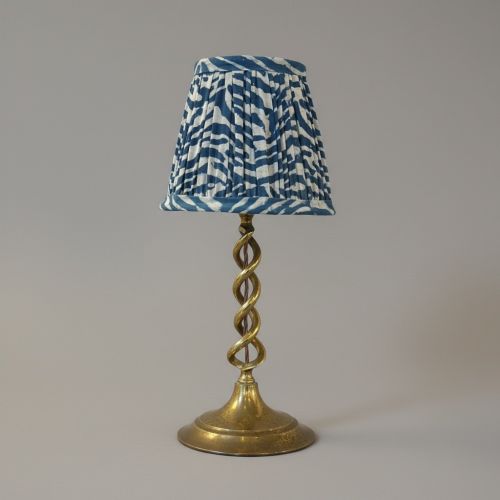
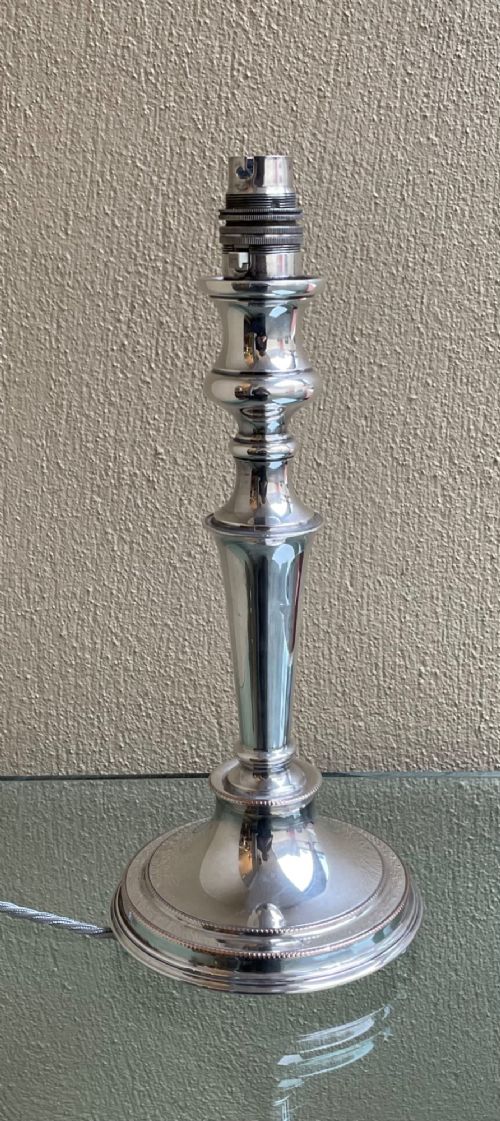
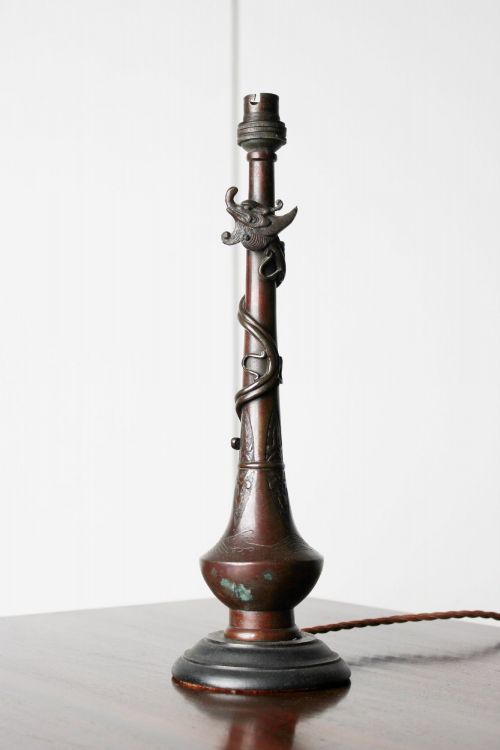

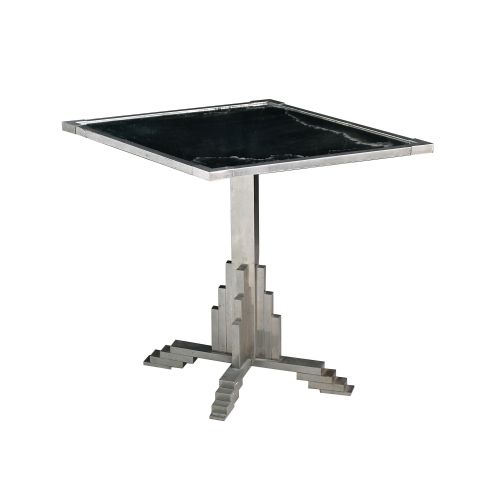

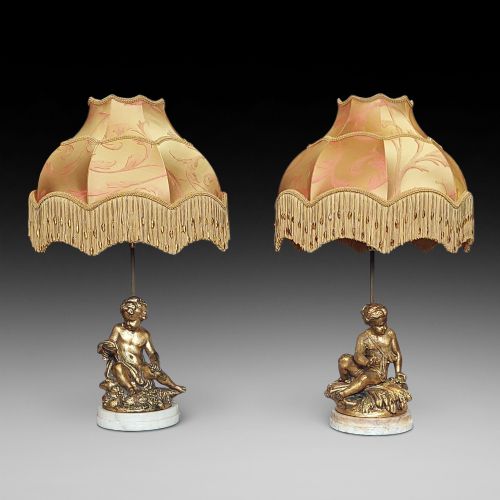


Antique Metal Lamp Base
An antique metal lamp base brings weight and character to a room, turning practical lighting into a sculptural centrepiece.
Antique Metal Lamp Base
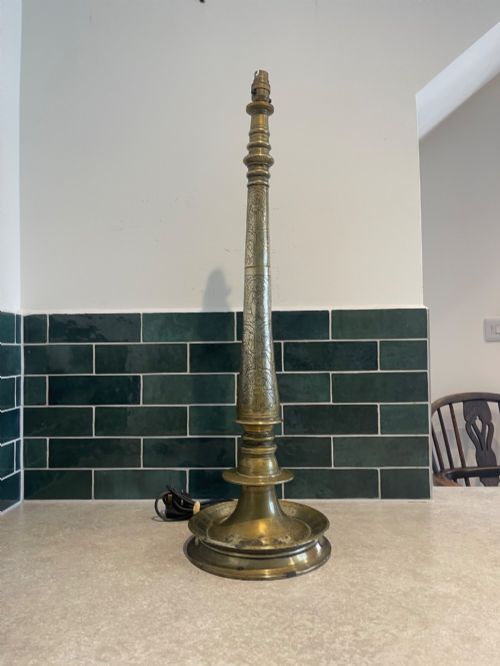
When you search for an antique metal lamp base, you encounter a wide selection of forms spanning the nineteenth and early twentieth centuries. Table lamps and desk lamps dominate the options, alongside taller floor lamps and converted oil lamps.
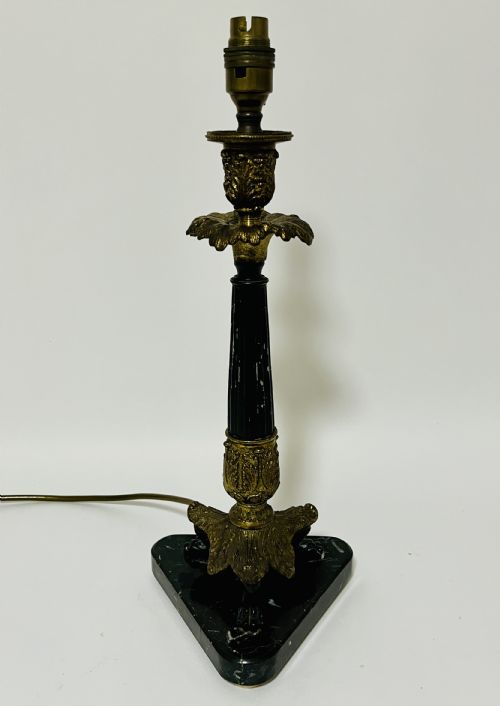
The aesthetic reaches from restrained classical brass columns to ornate French Empire gilt metal and playful Art Deco figural pieces. Many items show continental origins, particularly French workshops favouring marble bases and bronze details.
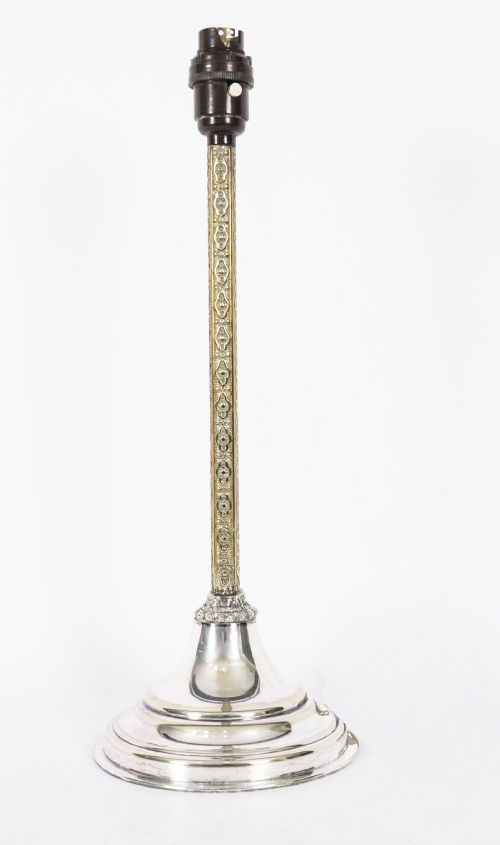
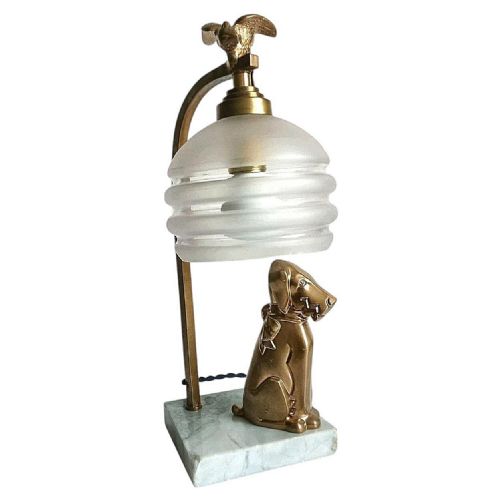
Earlier nineteenth-century examples often utilise heavy cast iron and silver plate, while later Edwardian and 1930s pieces introduce novelty animal motifs and streamlined geometric lines. Buyers frequently select these heavy metal forms to anchor a traditional or eclectic interior scheme.
Materials and construction
Foundry techniques of the period relied heavily on cast and pressed brass, gilt bronze, and spelter, often paired with white or coloured marble plinths for stability. Silver plating and parcel gilding provided a brighter finish on many table and desk lighting options.
Wrought iron appears in standard lamps with adjustable arms, while specialised finishes like tole peinte and cloisonné enamel decorate specific decorative bases. Makers combined these metals with glass reservoirs and fabric elements to complete the functional lighting units.
Antique Metal Lamp Base Retail Price Guide 2026
Typical asking prices for metal lamp base among the pieces listed under this phrase on Sellingantiques today, from the lower quarter to the upper quarter. They describe what is for sale here now, not the wider market.
French novelty bases frequently transform faithful dogs and perched parrots into surprisingly dignified indoor illumination.
Assessing quality
The distinction between ordinary and superior pieces rests on the crispness of the casting and the depth of the chased detail. Heavier gauge metals and genuine ormolu finishes indicate higher workshop standards than light pressed brass.
The integration of materials also defines the tier, such as heavy veined marble plinths fitted cleanly to classical bronze urns rather than loose composite assemblies. Preserved original patination and clear maker signatures or foundry marks elevate an individual base.
Mappin & Webb·P.Sega
The Antique Metal Lamp Base Glossary
- Spelter
- A zinc alloy commonly used as a less expensive alternative to bronze during the nineteenth and twentieth centuries. It accepts patination and metallic paint well, often mimicking heavier bronze items.
- Ormolu
- Finely ground high-carat gold applied to a bronze base using a mercury amalgamation technique, or cast brass treated with a golden finish. It provides a bright, lasting decorative surface on French classical pieces.
- Tole peinte
- Painted sheet metal, typically tin or iron, decorated in enamels with botanical or scenic motifs. It gains popularity in lighting during the nineteenth century.
- Cloisonne
- An ancient technique where metal wire is soldered to a metal base to create compartments filled with enamel paste. These decorated sections are subsequently fired and polished flat.
- Parcel gilt
- A decorative treatment where specific areas of a silver-plated or bronze object receive a thin application of gold. This creates contrast between the silver or dark metal and the golden highlights.
Antique Metal Lamp Base: Frequently Asked Questions
How do I choose the right height?
Consider where the base will sit and the intended function of the light. Taller floor lamps suit corners, while table versions require proportional placement on sideboards or desks.
Ensure the scale of the metal base matches the furniture underneath it without dominating the surrounding space.
Are these bases rewired for modern use?
Many historical lamps arrive with updated electrical wiring to meet current safety standards while retaining their original aesthetic. Professional rewiring ensures the internal components function safely within older metal bodies.
Buyers should inspect the cord and plug details upon arrival to confirm suitability for their local power outlets.
How do I clean an antique metal base?
Dust the surface regularly with a soft, dry cloth to prevent grime accumulation. Avoid harsh chemical polishes that can strip delicate patination or damage gilt and silver-plated surfaces.
Consult a specialist if the metal requires deeper cleaning or restoration to preserve its historical finish.
Can I use modern lamp shades on these?
Most standard fittings accept a wide variety of contemporary or period-style shades. Pay attention to the shade carrier or harp fitting to ensure proper attachment to the bulb holder.
Proportion remains key when pairing an antique base with a shade, balancing the weight of the metal below.