

Antique Metal Hands
These antique metal hands include cast bronze models and items shaped by human touch across the eighteenth and nineteenth centuries.
Antique Metal Hands
When you search for antique metal hands, you encounter items shaped by human touch alongside sculptural representations of hands cast in bronze. The selection spans the eighteenth, nineteenth, and early twentieth centuries, drawing on periods such as Victorian, Edwardian, Georgian, and Arts and Crafts. These objects take forms like decorative sculptures and items linked to the human hand through craftsmanship or design.
How they were made
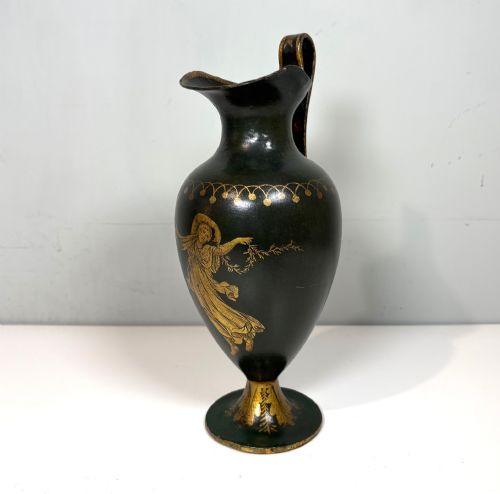
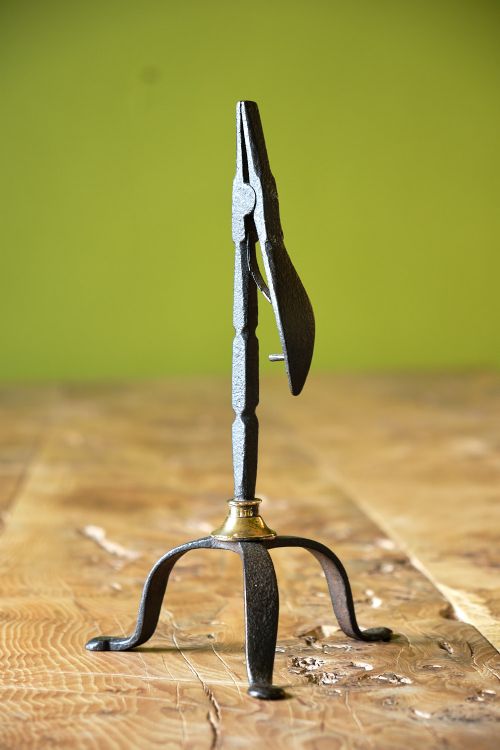
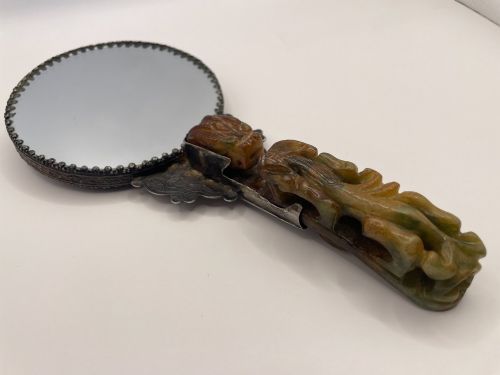
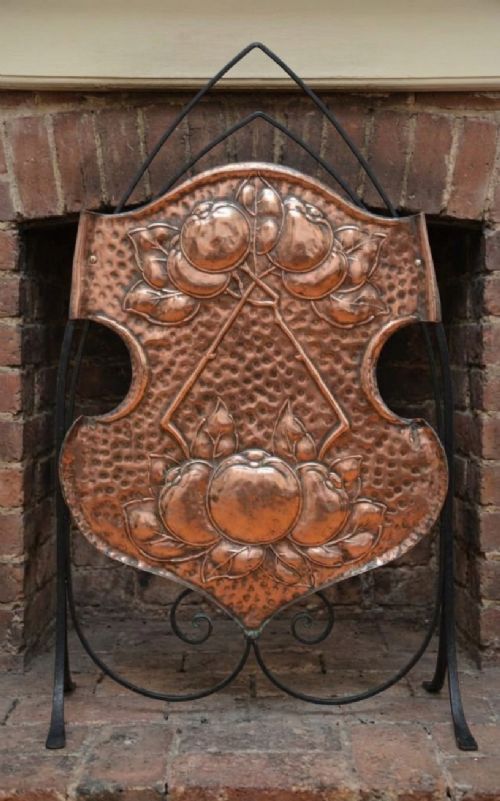
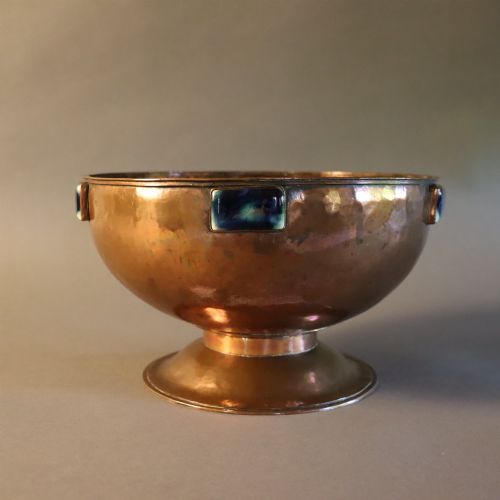
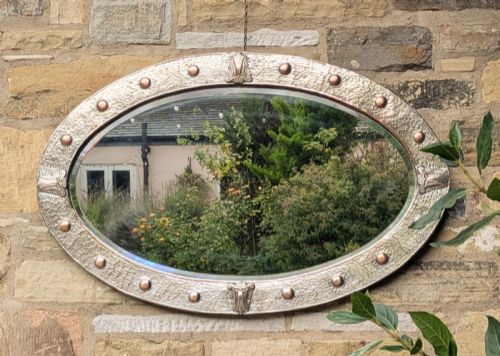
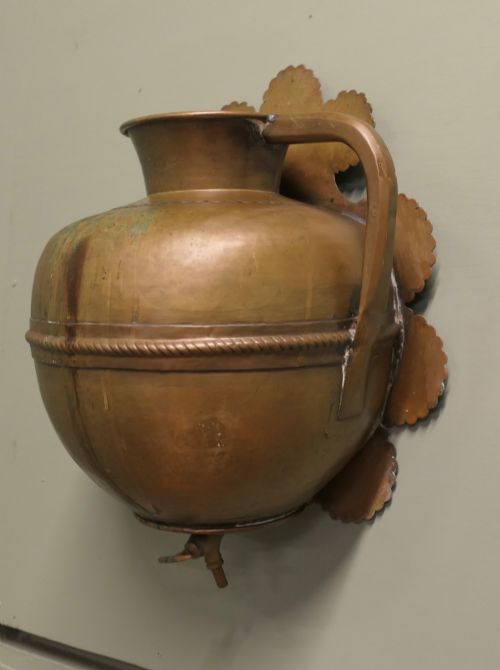
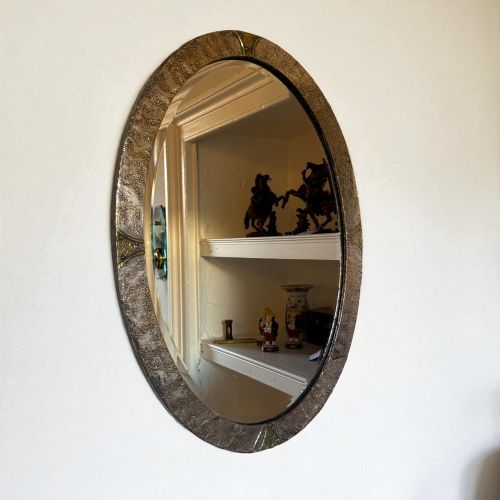
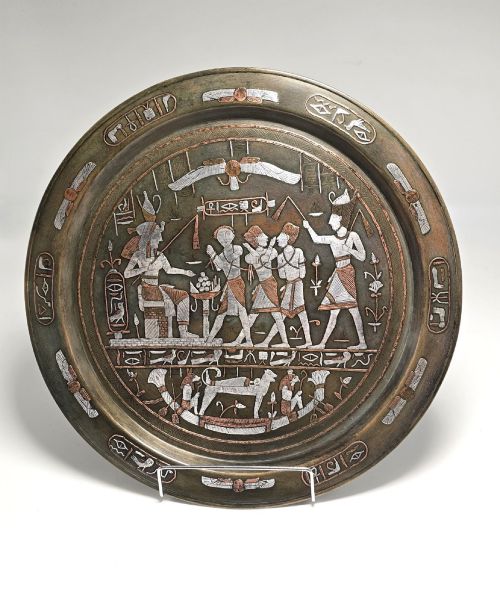
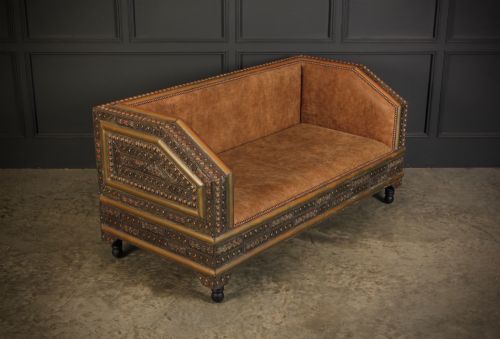
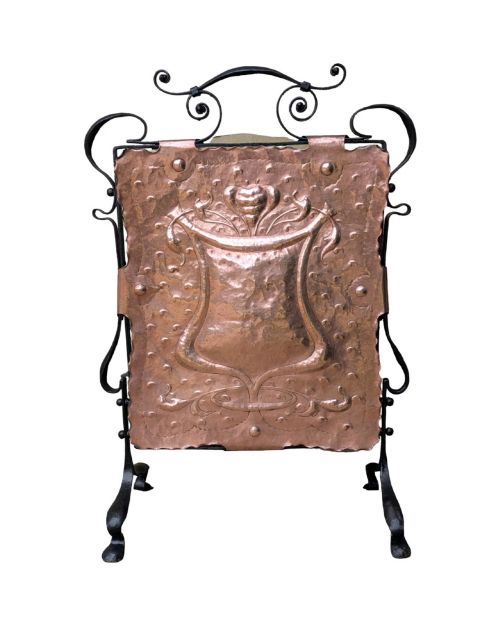
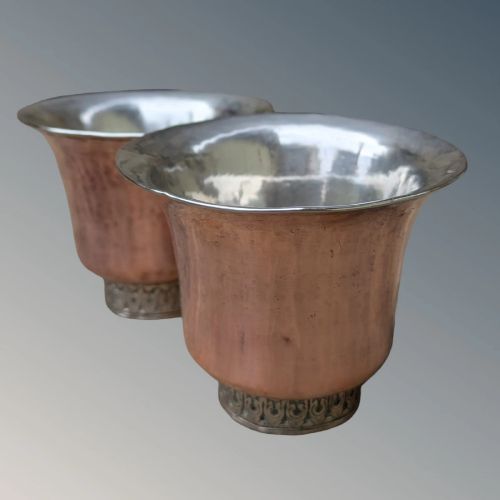
Makers shaped these pieces using copper, brass, bronze, wrought iron, and white metal. Techniques recorded in the listings include hand-hammering, repoussé engraving, riveting, and casting in metal moulds. Blacksmiths forged iron stands and fire baskets by hand, while artisans hammered copper sheets to form vessels, mirrors, and wall sconces.
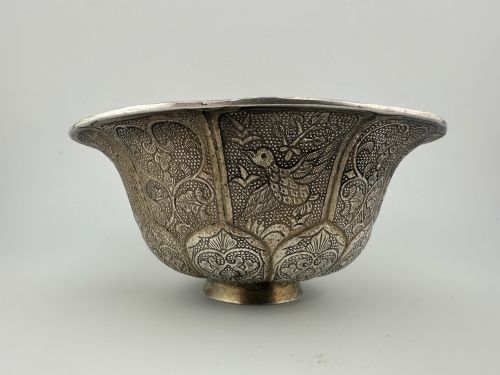
Surface decoration often involves engraving, silver inlay, and hand-painting. Artisans worked metal with punches and chisels to raise decorative motifs from the reverse, producing textured relief patterns on chargers, vases, and bowls.
Antique Metal Hands Retail Price Guide 2026
Typical asking prices for metal hands among the pieces listed under this phrase on Sellingantiques today, from the lower quarter to the upper quarter. They describe what is for sale here now, not the wider market.
What varies in quality
Quality separates objects by the direct evidence of the maker's hand and the weight of the metal gauge. Heavy-gauge copper and crisp, deep repoussé work demonstrate superior control over the material compared to shallow or machine-pressed substitutes. The definition in cast bronze models and the precision of hand-riveted joints determine the standing of each piece within its period.
The integrity of the surface finish and the natural patina acquired through age dictate visual success. Pieces retaining their original fixings, unpolished patination, and deliberate decorative depth command greater respect than those stripped of their historical character by aggressive cleaning.
Liberty & Co
The Antique Metal Hands Glossary
- Repoussé
- A method of decorating metal by hammering the design from the reverse side to produce a raised relief on the front. This technique appears frequently on nineteenth-century copper and brass chargers.
- Grand Tour
- A cultural journey undertaken by wealthy young Europeans in the eighteenth and nineteenth centuries, often resulting in the acquisition of small bronzes and classical antiquities. Italian examples include bronze models of hands and arms.
- Tole ware
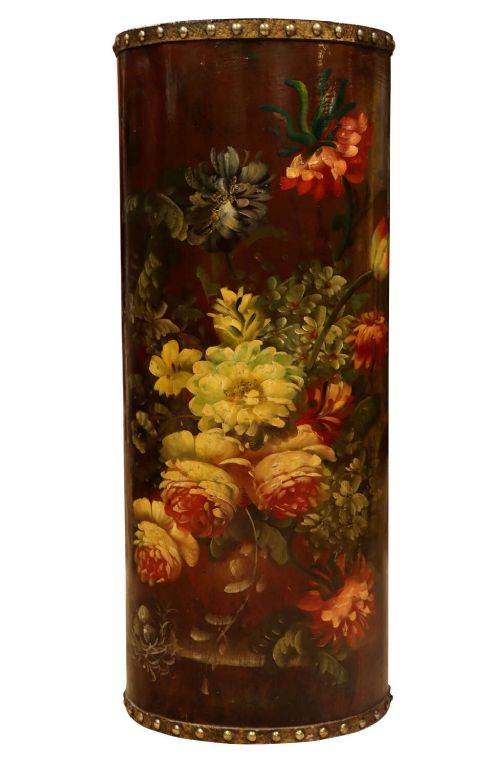
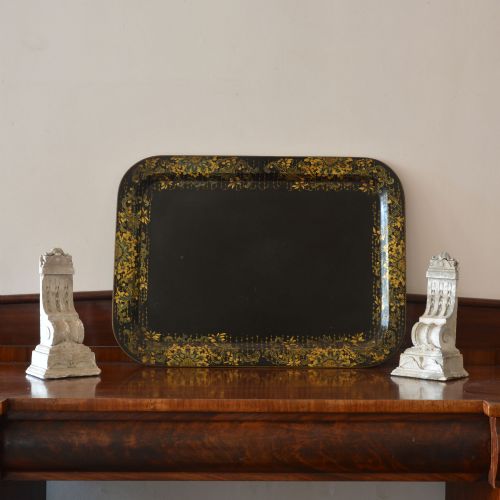
- Lacquered or enamelled metal items, typically iron or steel, decorated with hand-painted designs. These domestic objects date largely from the eighteenth and nineteenth centuries.
- Cachepot
- An ornamental container used to hold a flowerpot. These vessels appear in brass and copper across the Victorian and Edwardian periods.
Antique Metal Hands: Frequently Asked Questions
What are antique metal hands?
These pieces comprise sculptural bronze models of hands and items shaped directly by human hands through forging, hammering, and engraving. They reflect the diverse metalworking traditions of the eighteenth and nineteenth centuries.
The materials include copper, brass, bronze, and wrought iron, taking forms from decorative desktop objects to heavy hearth accessories.
How were metal hands used?
Sculptural hand models served as decorative cabinet pieces or paperweights during the nineteenth century. Other metalwork items served practical domestic functions, from lighting stands to vessels.
They reflect the intersection of utilitarian metalcraft and decorative sculpture across Georgian, Victorian, and Arts and Crafts periods.
How do I date these metal items?
Dating relies on material composition, manufacturing marks, and stylistic characteristics associated with periods like the Victorian era or the Arts and Crafts movement. Hand-riveted construction and heavy-gauge metals point towards earlier nineteenth-century methods.
Surface patination and specific revival styles, such as Gothic or Egyptian Revival, provide further chronological indicators.
How do I care for antique metal?
Preserving these objects requires maintaining their natural patina and avoiding abrasive metal polishes that strip historical surface layers. Dust them gently with a dry cloth and keep them in stable environmental conditions away from moisture.
Unlacquered copper, brass, and iron benefit from occasional light waxing where appropriate to prevent active corrosion.