


Antique Metal Foo Dogs
Antique metal foo dogs are substantial guardian figures cast in bronze, brass, and iron that bring traditional protection and presence to an interior.
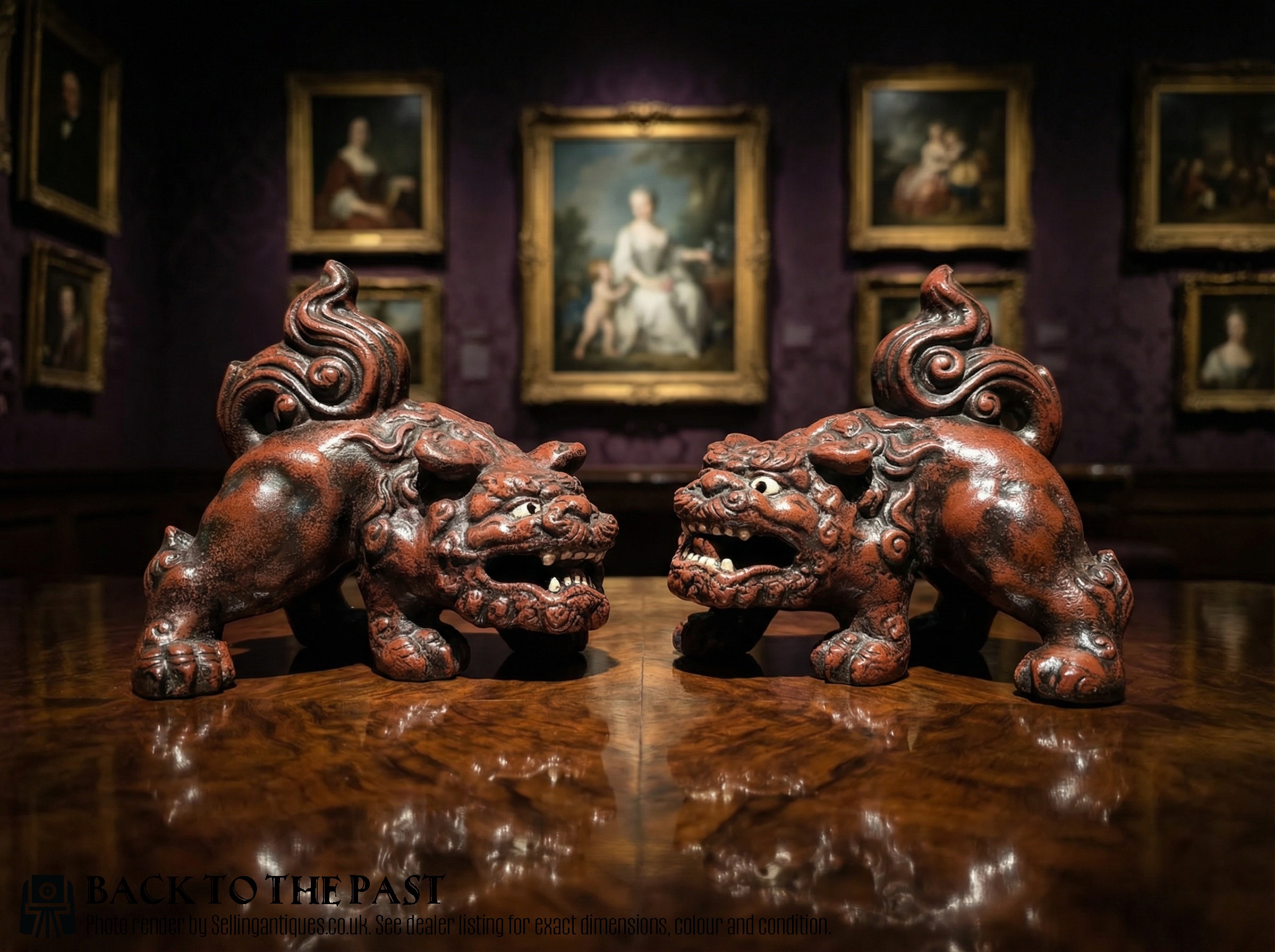
Antique Metal Foo Dogs
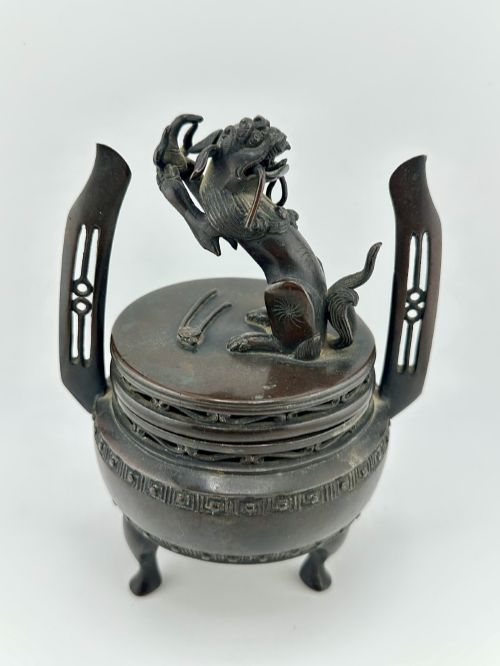
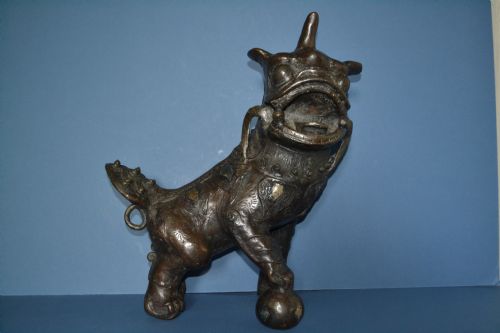
When you search for antique metal foo dogs, you are looking at guardian figures, temple lions, qilin, and fu lions rendered in durable metals and hardstones. These protective beasts often double as lidded incense burners, door hardware, or sculptural figures created to guard thresholds and sacred spaces.
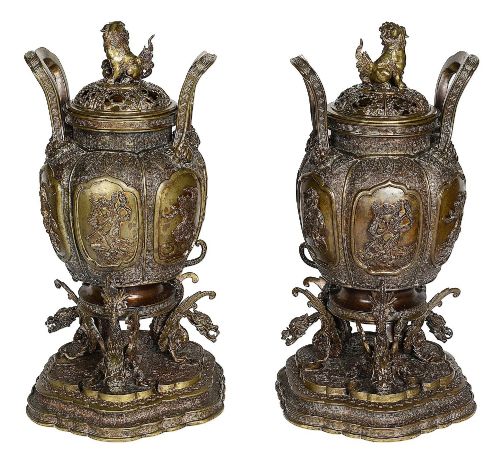
On this page, you are most likely to meet 19th-century bronze examples originating from Chinese and Japanese workshops, alongside European interpretations in cast iron. The selection spans periods from the 18th century through to the Edwardian era, reflecting both Eastern ritual objects and Western decorative tastes.
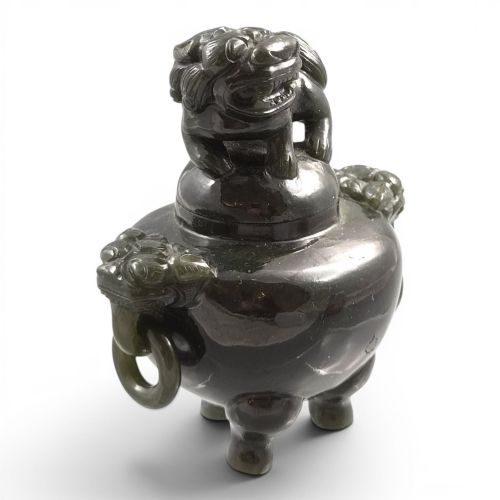
The forms range from utilitarian tripod censers topped with guardian finials to imposing pairs of temple lions designed to stand on either side of an entrance. Materials vary from dark patinated iron and gleaming gilt bronze to jade and hardstone, capturing the fierce yet protective expression characteristic of the type.
How they were made
Surface treatments play a defining role in the finish of these objects, incorporating rich patination, gilding, and occasional gold inlay to enhance texture and visual depth. Some pieces combine cast metal bodies with hardstone elements like dark green jade, or feature cloisonné work to add colour and pattern.
What varies in quality
The distinction between ordinary and exceptional pieces rests upon the crispness of the metal casting and the depth of the hand-finishing work. Superior examples exhibit sharply defined facial expressions, robust proportions, and carefully chased details in the fur and ornamentation rather than soft, smoothed edges.
The quality of the patina or gilding significantly influences the character of the object, with deliberate, age-appropriate surface wear outperforming flat, uniform modern coatings. Furthermore, the structural integrity of fitted covers on censers and the symmetry within a matched pair dictate the overall cohesion and authority of the piece.
Unno Shomin
The Antique Metal Foo Dogs Glossary
- Foo dog
- A traditional guardian lion sculpture originating in Asian art, placed outside temples and palaces to ward off evil spirits.
- Censer
- A vessel designed for burning incense, frequently featuring a removable cover and surmounted by a guardian lion or qilin finial.
- Patina
- The surface coloration and texture developed on metal through age, handling, or intentional chemical treatment.
- Okimono
- A Japanese freestanding decorative sculpture designed for display on a shelf or tabletop.
- Cloisonné
- An enamel technique where metal wires are soldered to a base to form compartments filled with coloured paste and fired.
Antique Metal Foo Dogs: Frequently Asked Questions
How were metal foo dogs used?
Metal foo dogs served as protective door hardware, heavy decorative temple sculptures, and functional incense burners.
In domestic and ritual settings, lidded examples held aromatic materials while standing watch over rooms and entryways.
Where should I place a foo dog?
You can display these figures on sideboards, mantels, or flanking an entrance where their guardian presence is traditionally felt.
Paired figures work well symmetrically framing a doorway or shelf, while single censers serve as striking focal points on tables.
How do I date a bronze foo dog?
Dating relies on examining the casting technique, the depth and natural wear of the metal patina, and stylistic period markers.
Nineteenth-century examples often display distinct surface characteristics and weight that differentiate them from later reproductions.