

Antique Metal Decor
Antique metal decor spans centuries of domestic and display objects cast, beaten and soldered from brass, bronze, copper and pewter.
Antique Metal Decor
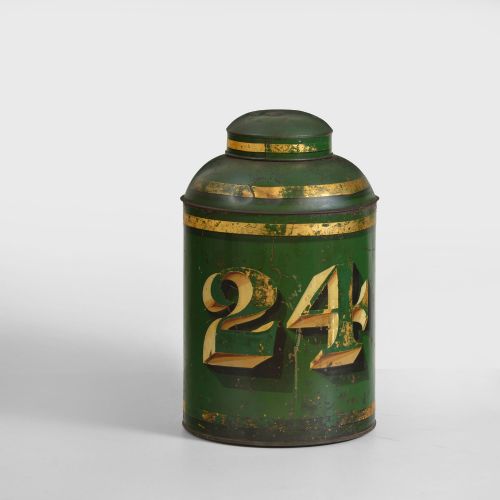
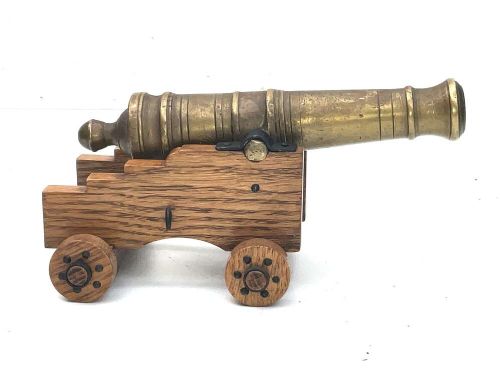
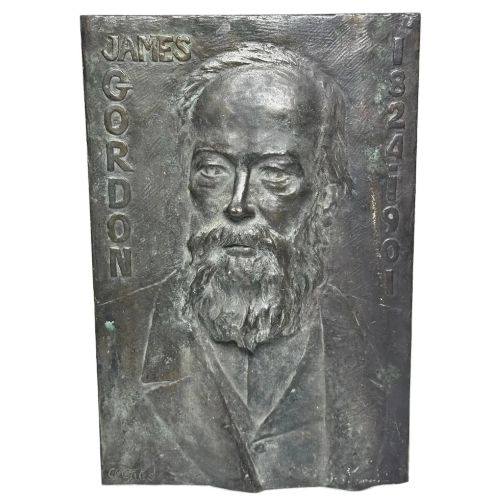
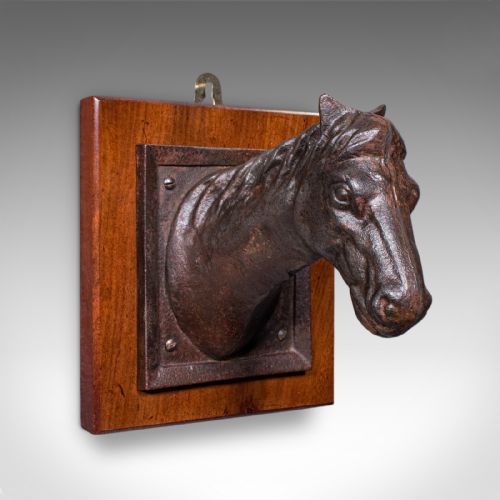
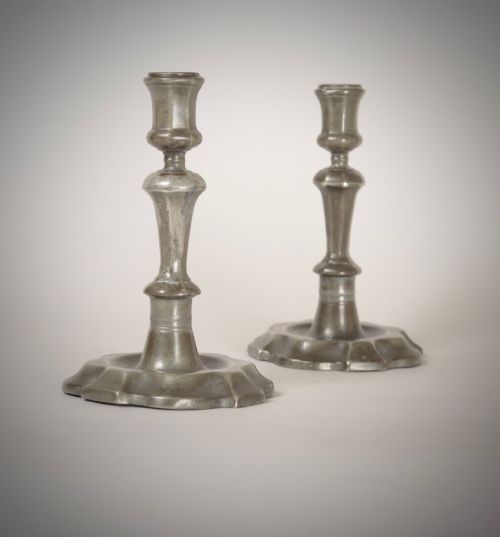
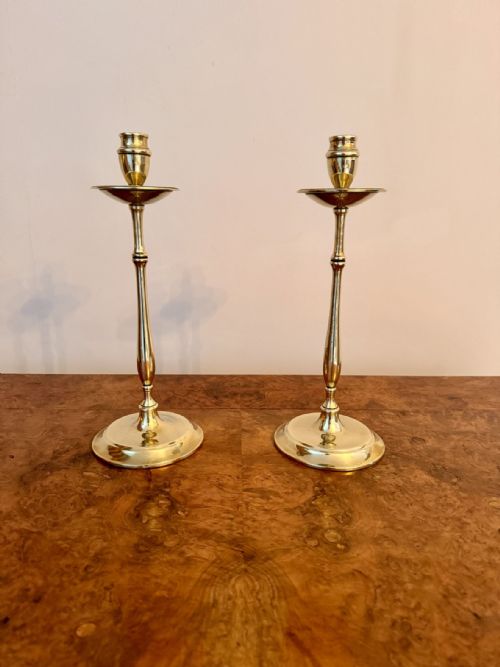
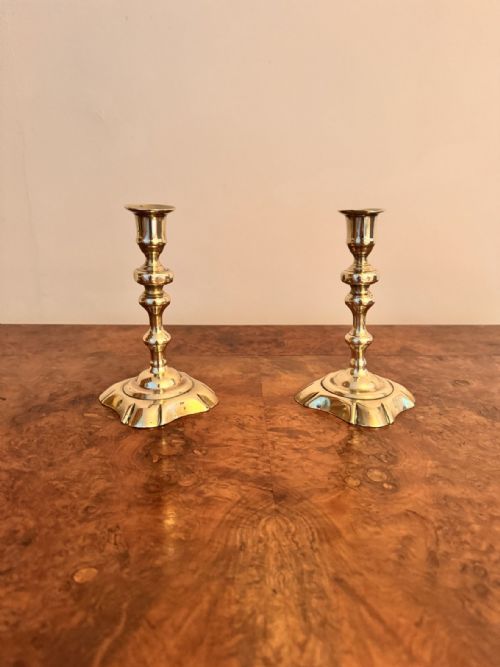
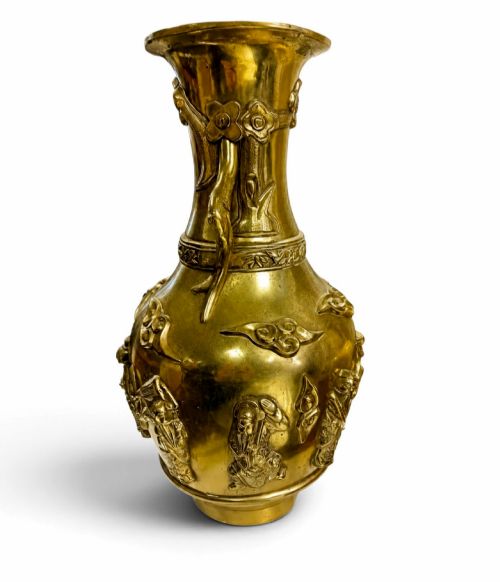
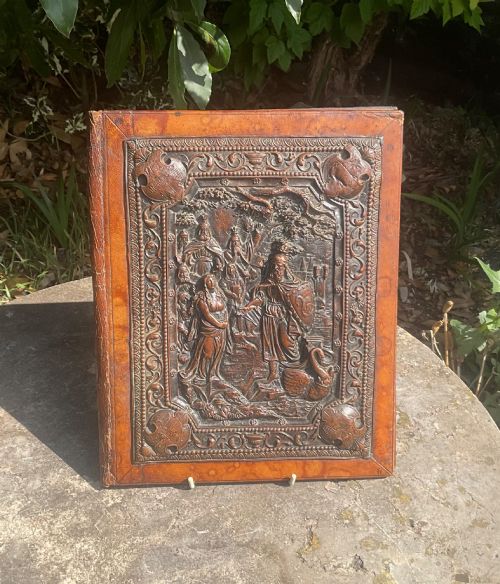
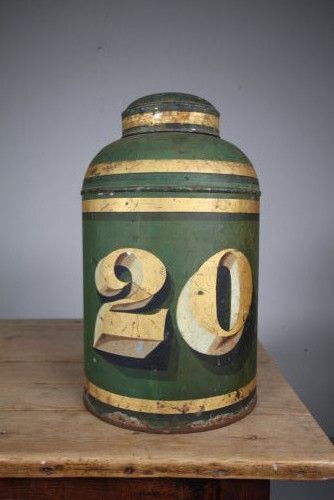
When searching for antique metal decor, buyers encounter a diverse selection of domestic furnishings and decorative objects spanning the eighteenth, nineteenth and early twentieth centuries. These pieces encompass utilitarian items transformed into display objects, such as copper kitchen moulds and shop tins, alongside pure ornaments like bronze sculptures, wall plaques and candlesticks.
The assortment on this page reflects distinct stylistic movements, including Georgian, Victorian, Edwardian, Art Nouveau, Art Deco and Neoclassical designs. From heavy brass stick stands and fireplace fenders to delicate desk blotters and animal bookends, the selection demonstrates the wide adaptability of metal in historical interiors.
How they were made
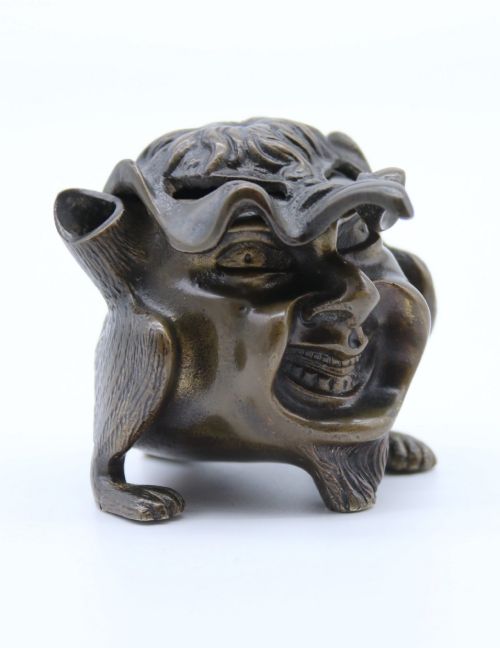
Metals such as brass, bronze, copper, pewter and iron form the structural foundation of these items, shaped through casting, hammering and soldering. Cast pieces often utilise bronze or brass poured into moulds to achieve intricate details, as seen in figural candlesticks and sculptural bookends.
Surface treatments add further texture and visual depth, incorporating painted finishes, toleware coatings, silvering, gilding and cold-painted pigments on spelter. Copper vessels and kitchen moulds rely on careful sheet metal manipulation, while cast alloy items utilise high-relief work and engraved bases.
Antique Metal Decor Retail Price Guide 2026
Typical asking prices for metal decor among the pieces listed under this phrase on Sellingantiques today, from the lower quarter to the upper quarter. They describe what is for sale here now, not the wider market.
Squirrels frolic amongst bronze tree branches and seals balance balls on their noses in this menagerie of metal.
What varies in quality
The standard of a piece rests heavily on the crispness of the casting and the finesse of the finishing work applied by the maker. Superior examples exhibit sharply defined motifs, balanced proportions and secure joints without heavy hand-smoothing that obscures original details.
Material composition and surface preservation also dictate distinction, with substantial metal weight and intact patination or original gilding indicating superior manufacture. Lesser examples may show blurred casting lines or later, unsympathetic surface alterations.
E F Caldwell New York·Trottier
The Antique Metal Decor Glossary
- Toleware
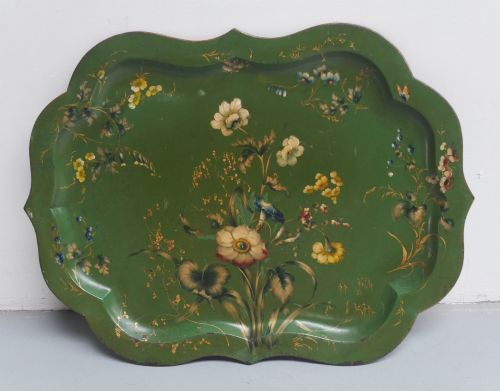
- Painted or enamelled tinplate items produced for domestic and trade use. This technique was common in nineteenth-century tea canisters and trade signs.
- Spelter
- An alloy of zinc and lead often used as a cheaper alternative to bronze. It frequently accepts cold-painted finishes for figural ornaments.
- Epergne
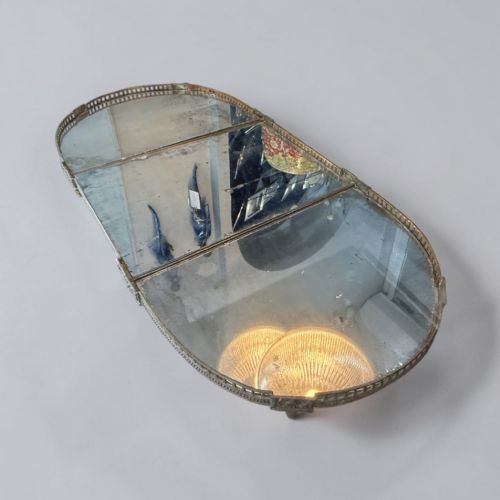
- A central table ornament featuring multiple tiers or branches for holding fruit, sweets or flowers. They often combine metal frames with glass inserts.
- Fender
- A low metal guard placed around the hearth to contain ash and sparks. These decorative items were frequently cast in brass or gilt bronze.
- Pewter
- A malleable metal alloy consisting primarily of tin, traditionally used for tableware and candlesticks. Its subdued grey lustre distinguishes it from brighter brass.
Antique Metal Decor: Frequently Asked Questions
How do I clean antique metal decor?
Most antique metal surfaces benefit from gentle dusting with a soft dry cloth rather than aggressive polishing. Preserving the historical patina generally adds to the character and authenticity of the piece.
Harsh chemical cleaners strip away centuries of oxidation that collectors value. Consult a specialist before applying any liquid treatments to gilded, silvered or painted metal items.
Were these metal items purely decorative?
Many items began as functional household goods before transitioning into decorative roles. Kitchen moulds, shop canisters, bed warming pans and desk blotters served practical daily purposes in period homes.
Other objects, such as bronze sculptures, portrait plaques and figural candlesticks, were designed strictly for display. Their dual nature makes them versatile additions to contemporary interiors.
How can I tell the period of a metal piece?
Stylistic clues such as Georgian neoclassicism, Victorian ornamentation or Art Deco geometry offer the first indication of age. Construction methods, including seam lines, tool marks and fastening types, help confirm the era of manufacture.
Maker marks, stamps or base signatures can also anchor a piece to a specific workshop or decade. Comparing the weight and alloy composition provides further context for dating.
Where should I place metal decor at home?
Heavier items like brass stick stands, fireplace fenders and cast animal sculptures anchor entranceways and living rooms. Smaller pieces such as candlesticks, inkwells and bookends suit mantelpieces, side tables and desks.
Ensure items are kept away from excessive moisture to prevent corrosion, particularly for exposed iron and pewter. Positioning them where natural light catches the surface highlights the original metal finish.