



Antique Metal Chime
These antique metal chime pieces bring resonant brass, bronze and iron tones into a room.
Antique Metal Chime
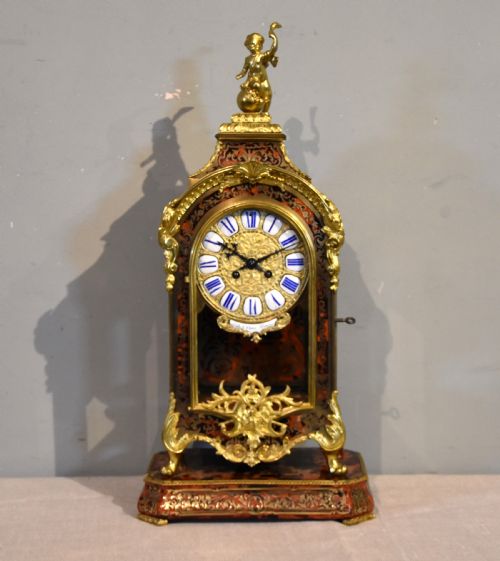
Buyers will also find chime-striking mantel clocks and utilitarian door hardware amongst the selection. Victorian and Aesthetic Movement examples dominate the offerings, alongside Art Nouveau and occasional East Asian or Oriental bronze pieces.
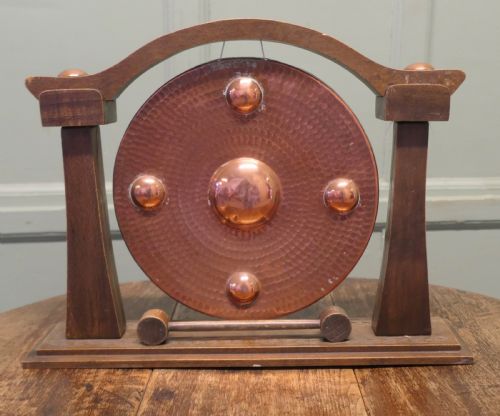
The domestic dinner gong served a specific social role in calling households to meals, mounted in carved oak or brass frames for tabletop or wall display. Mantel clocks integrate striking movements to mark the hours with acoustic authority.
Materials and construction
The primary materials rely on cast and sheet brass, bronze, copper, and wrought iron for the striking elements, paired with ebonised wood, oak, or ormolu mounts for the supporting structures. Fine casting techniques shape the Eastern bronze triangles and temple bells, while European gongs utilise hammered or spun metal plates tuned for resonance.
Frames demonstrate period woodworking and metalworking skills, ranging from rustic Victorian ironwork to ornate French Arts and Crafts hand-carved copper and Boulle marquetry. Silver plating and gilt bronze surface treatments provide decorative contrast against dark ebonised wood or polished metal.
Antique Metal Chime Retail Price Guide 2026
Typical asking prices for metal chime among the pieces listed under this phrase on Sellingantiques today, from the lower quarter to the upper quarter. They describe what is for sale here now, not the wider market.
Listings feature items spanning the Georgian period, the Victorian era, and into the early twentieth century, utilising brass, bronze, and ebonised wood.
Evaluating quality and execution
Quality reveals itself in the purity of the acoustic ring and the structural integrity of the frame. Superior dinner gongs sustain a clear, resonant tone when struck, whereas lesser examples produce a dull or flat thud due to inferior metal alloy composition or hairline fractures.
The refinement of the supporting framework distinguishes finer pieces, such as deeply carved oak, intricate Art Nouveau brass work, or precise ormolu mounts on ebonised wood. Original components, including matching strikers and undisturbed fixings, elevate the integrity of the piece.
Wm. Gilbert U.S.A.
The Antique Metal Chime Glossary
- Dinner gong
- A suspended metal plate struck with a mallet to summon people to dining rooms. These assemblies often feature elaborate wooden or wrought iron frames.
- Ormolu
- Gilt bronze ornamentation applied to furniture, clocks, and decorative objects. This technique involves coating cast bronze with a finely ground gold-mercury amalgam and heating it.
- Ebonised wood
- Timber treated with a dark stain or finish to imitate ebony. This dark surface finish provides a stark visual contrast against polished brass and bronze fittings.
- Aesthetic Movement
- A late nineteenth-century design style emphasising visual beauty over narrative or moral themes. Pieces from this movement often incorporate stylized floral motifs and geometric metalwork.
- Boulle
- A style of marquetry using brass and tortoiseshell inlaid into furniture and clock cases. Named after the French cabinetmaker André-Charles Boulle, it creates a striking reflective pattern.
Antique Metal Chime: Frequently Asked Questions
Were these gongs used outdoors?
Dinner gongs and wall gongs were strictly interior domestic or institutional items designed for dry living spaces and hallways. Temple bells and door pulls served semi-exterior or entryway roles.
Exposing antique ironwork and polished brass to damp outdoor conditions causes rapid corrosion and damages wooden framing joints.
How do I date a Victorian metal chime?
Examine the construction methods of the supporting frame, screw types, and stylistic indicators such as Aesthetic Movement geometry or Arts and Crafts hand-hammering. Nineteenth-century pieces frequently employ hand-cut screws or early machine-threaded components.
Maker's marks stamped onto clock movements or metal plates provide additional chronological markers when cross-referenced against registration records.
Can I replace a missing striker?
Replacement mallets can be sourced to match the period style using turned wood and felt or leather heads. The weight and material of the striker directly affect the acoustic tone produced by the metal.
Ensure the new striker balances proportionally with the hanging gong plate without causing physical stress to the suspension cord.