

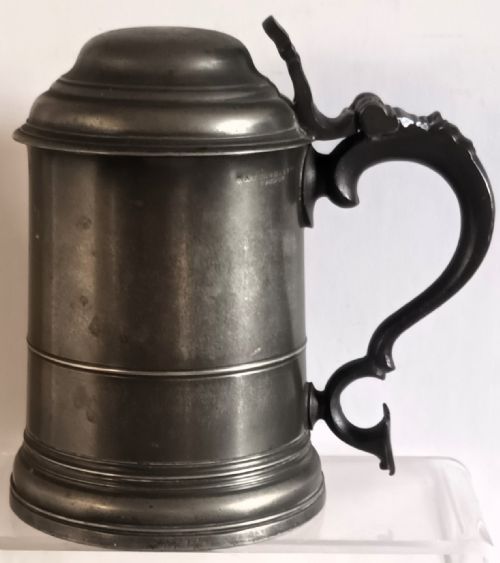


Antique Metal Beer Stein
These antique metal beer stein pieces bring substantial heft and historical character to a room, offering genuine drinking vessels shaped by centuries of social tradition.
Antique Metal Beer Stein
An antique metal beer stein typically manifests as a sturdy tankard or flagon, serving historically to hold and cool ale or beer. The selections span from simple pint and quart measures to large decorative vessels adorned with regional motifs.
Most examples you encounter stem from the eighteenth and nineteenth centuries, taking the form of plain utilitarian tavern mugs or ornate lidded flagons. British pewter vessels sit alongside German pieces and Old Sheffield plated items.
Makers ranged from provincial workshops to renowned designers working within Arts and Crafts or Art Nouveau idioms. Certain items carry specific capacity marks and touchmarks that reveal their original commercial or domestic context.
Materials and construction methods
Pewter forms the backbone of these pieces, shaped through casting and hammering to build thick walls with comfortable looped handles. Copper and silver plate also appear, utilising techniques such as fusing silver sheets onto a copper base or electroplating white metal alloys.
Lidded designs require hinged thumb-pieces and tight fitting covers to keep contents secure during social gatherings. Surface decoration ranges from plain polished finishes to chased hop motifs and Celtic relief work.
Antique Metal Beer Stein Retail Price Guide 2026
Typical asking prices for metal beer stein among the pieces listed under this phrase on Sellingantiques today, from the lower quarter to the upper quarter. They describe what is for sale here now, not the wider market.
Some vessels feature hidden glass bottoms, said to let drinkers keep an eye on duplicitous company while raising a toast.
Distinctions in craftsmanship
Quality rests upon the weight of the metal and the crispness of the cast details, separating heavy tavern-grade vessels from lighter decorative items. A well-balanced handle and a closely aligned lid hinge indicate superior workshop execution.
The integrity of early silver plating or Old Sheffield plate dictates the visual appeal, alongside legible touchmarks and maker stamps that confirm the provenance of the piece.
Watts & Harton·Archibald Knox for Liberty & Co·Burgum & Catcott of Bristol
The Antique Metal Beer Stein Glossary
- Tankard
- A tall, cylindrical drinking vessel with a single handle, frequently featuring a hinged lid to keep out insects.
- Flagon
- A large drinking vessel with a handle and spout or lid, traditionally used for serving ale or wine at table.
- Old Sheffield Plate
- A composite material made by fusing a thin sheet of silver to a thicker copper base, common in eighteenth-century tableware.
- Touchmark
- An official stamp impressed into pewter by a maker or guild member to guarantee the alloy standard.
- Thumb-piece
- The small lever attached to a tankard handle that opens the hinged lid when pressed by the thumb.
Antique Metal Beer Stein: Frequently Asked Questions
What is an antique metal beer stein?
It is a historical drinking vessel, usually fashioned from pewter, copper, or silver plate, designed for serving and consuming beer or ale.
These pieces range from plain tavern tankards to ornate German flagons featuring hinged lids and decorative relief work.
How were these vessels used?
They served as daily drinking mugs in taverns and homes, holding measured quantities of ale such as pints and quarts.
Lidded versions helped keep drinks covered and maintained the temperature of the beverage during social gatherings.
How do I care for pewter and plated items?
Dust them gently with a soft cloth and avoid harsh chemical cleaners that can strip the natural patina from the metal.
Keep them in a stable environment away from excess moisture to protect the surface finish and any soldered joints.
How can I tell the period of a tankard?
Examine the style of the handle, the shape of the thumb-piece, and any touchmarks or capacity stamps impressed into the metal.
Eighteenth-century examples often display simpler lines, while nineteenth-century pieces may incorporate Victorian or Art Nouveau ornamentation.