

Antique Metal Basket
These robust antique metal basket pieces span heavy copper log bins to delicate silver-plated fruit vessels, offering utilitarian strength and historic charm.
Antique Metal Basket
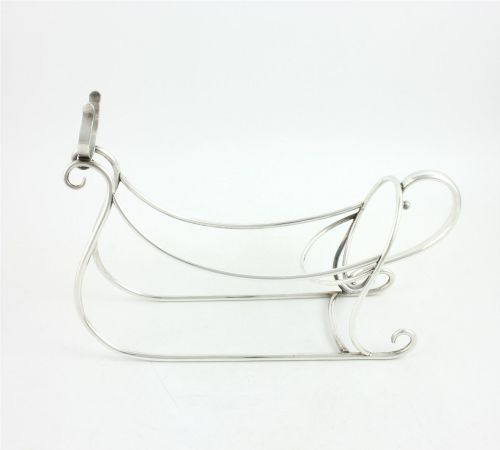
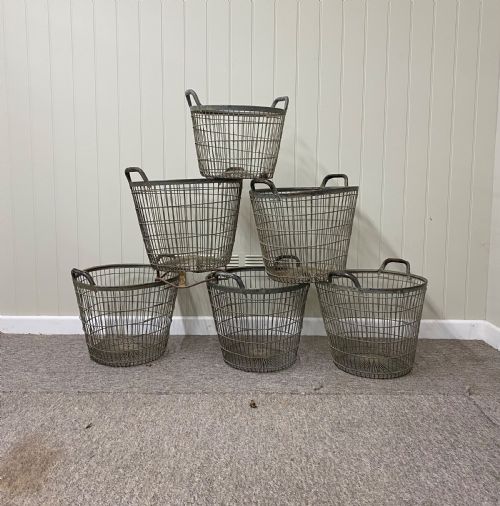
When you search for an antique metal basket, you encounter a diverse array of domestic and garden vessels forged or hammered from copper, brass, iron, and silver plate. The selection relies heavily on nineteenth-century utility, drawing from Georgian, Victorian, and Edwardian periods.
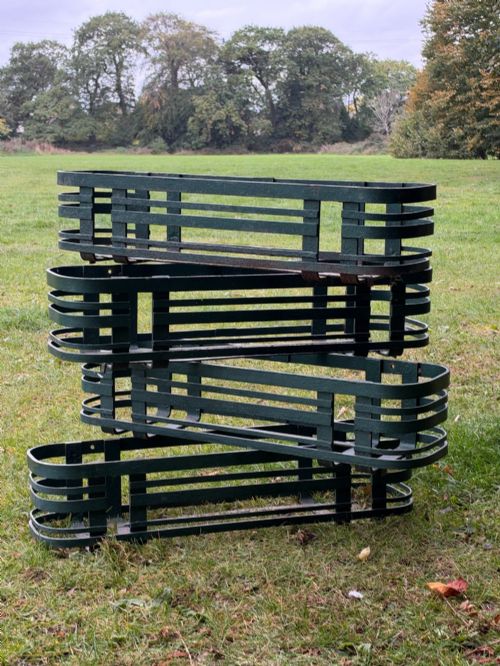
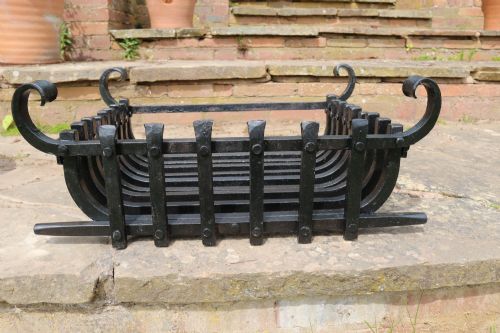
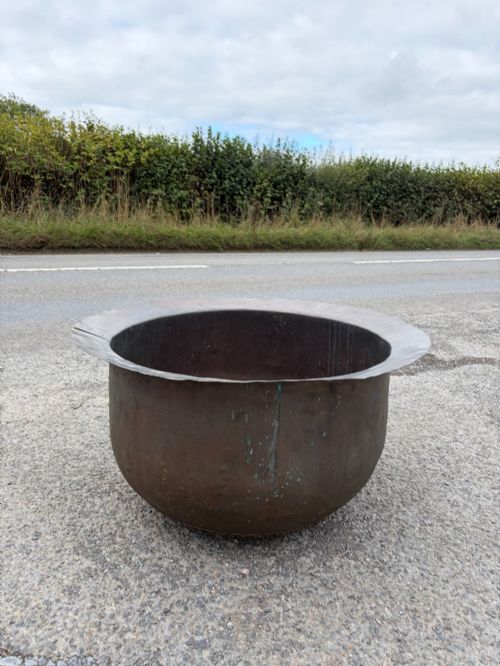
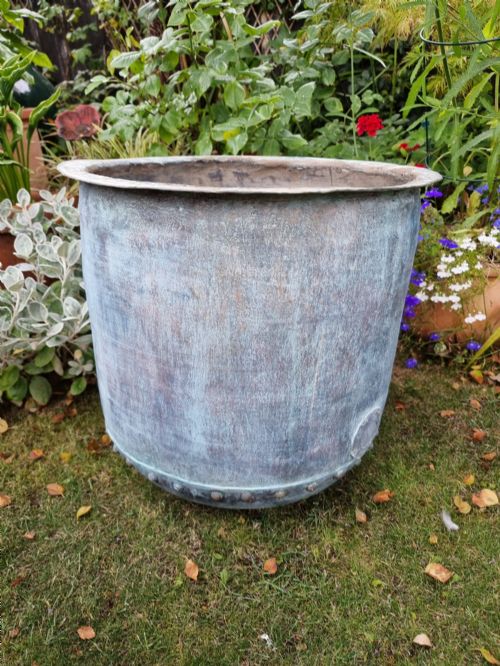
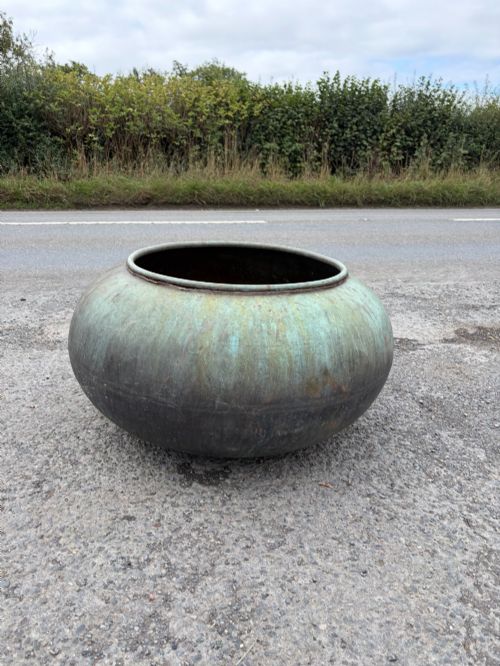
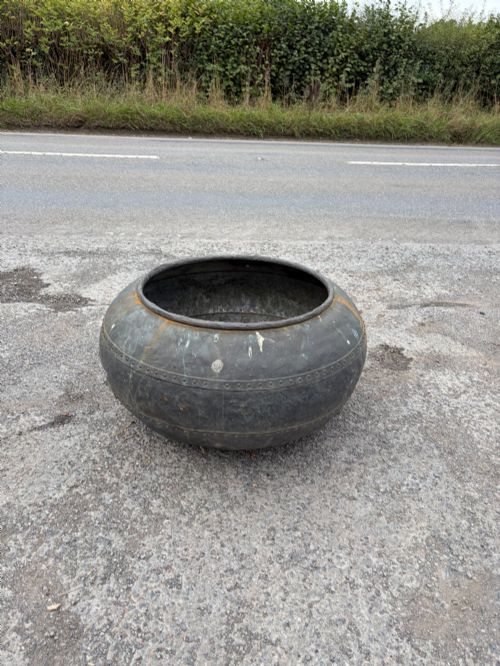
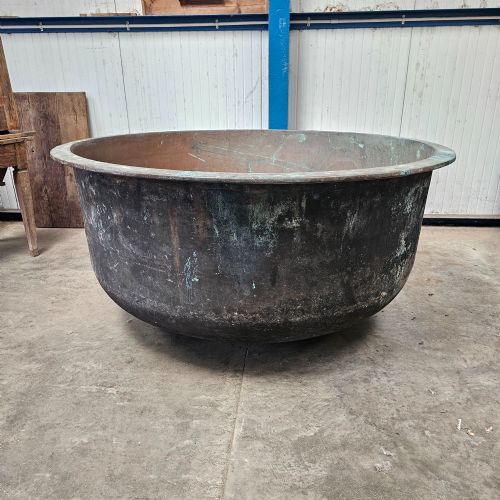
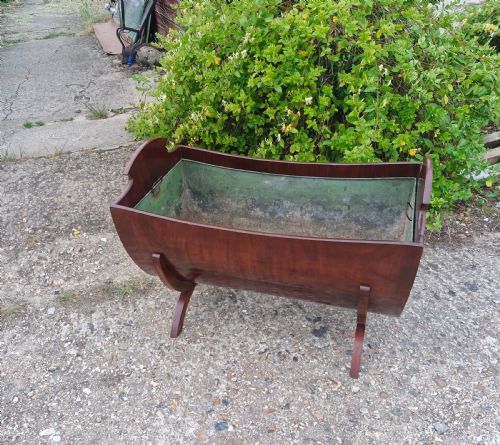
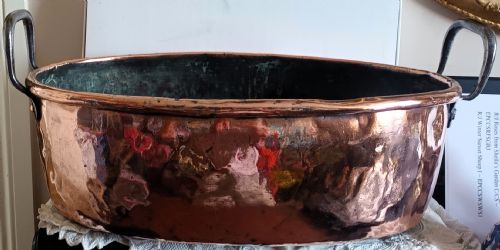
You meet heavy copper log bins, coal scuttles, and cauldrons most frequently alongside galvanised metal planters and wrought iron fireside accessories. These forms range from French garden display pots and cheese vats to English country house coal buckets.
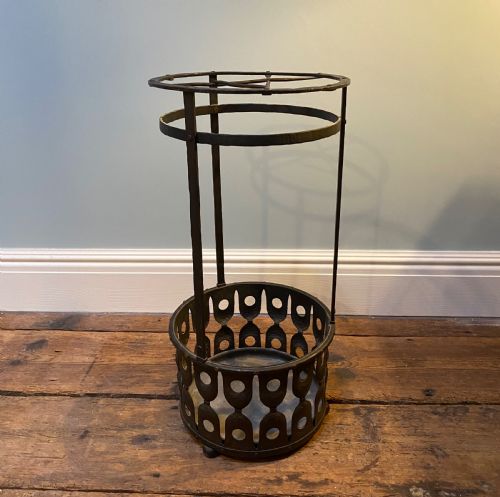
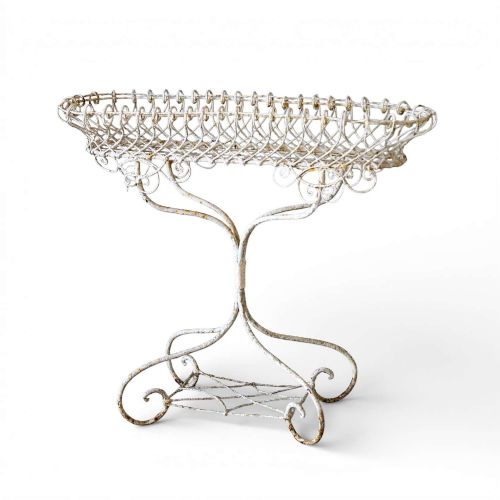
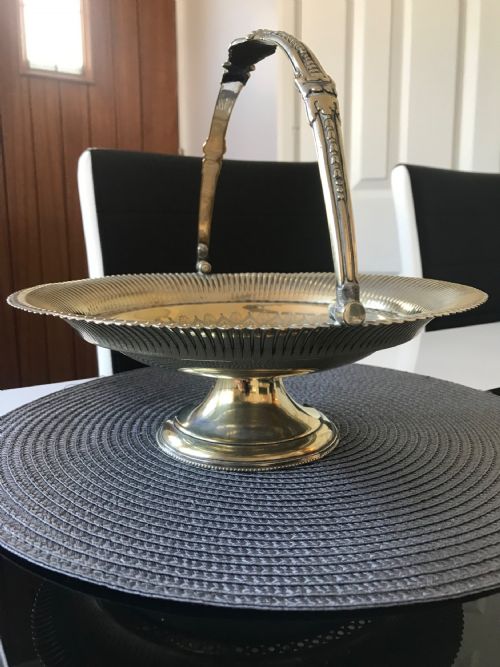
Stylistic influences vary from utilitarian French country and nineteenth-century country pieces to decorative Art Nouveau and Arts and Crafts designs. Items span structural items like plant stands with lattice basket tops down to decorative table fruit receptacles.
Materials and Construction Methods
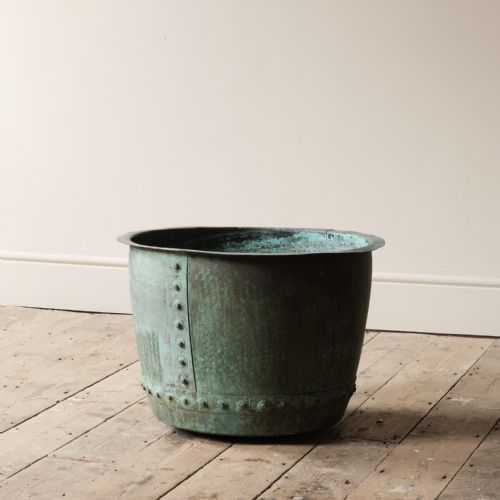
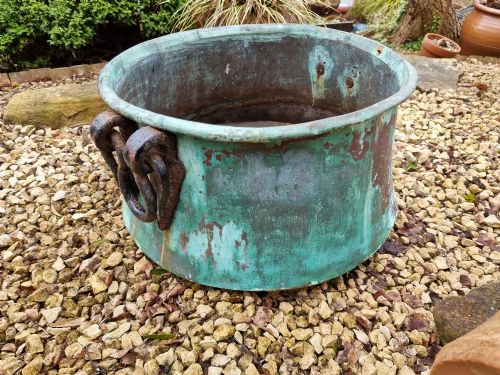
Copper and brass dominate the material palette, shaped into large pots, pans, and buckets joined by hand-riveting. Makers often incorporated sturdy wrought iron swing handles and supporting frames to bear heavy loads of coal, logs, or water.
Silver plating and Old Sheffield plating appear on finer wirework baskets, fruit bowls, and neo-classical display pieces from the eighteenth and nineteenth centuries. Iron and galvanised metal provide the structural backbone for utilitarian garden tubs and plant stands, frequently treated with paint.
Antique Metal Basket Retail Price Guide 2026
Typical asking prices for metal basket among the pieces listed under this phrase on Sellingantiques today, from the lower quarter to the upper quarter. They describe what is for sale here now, not the wider market.
Listings feature items spanning the eighteenth century through the 1930s, utilising copper, brass, iron, zinc, and silver plate.
Assessing Craftsmanship and Age
Quality rests in the weight of the metal, the integrity of the hand-riveting, and the natural evolution of the surface patina. Superior pieces display substantial gauges of copper or brass that withstand decades of fireside or garden use without losing their structural form.
The sophistication of the handwork, particularly in wrought iron scrollwork or hammered copper bodies, distinguishes standard utility items from artistic Arts and Crafts or Art Nouveau creations. Original fittings, such as sturdy iron swing handles and authentic frames, elevate the authenticity of the piece.
The Antique Metal Basket Glossary
- Patina
- The surface sheen and oxidation built up over centuries of handling and exposure. It reveals the genuine age and history of a metal object.
- Verdigris
- A green patina formed naturally on copper, brass, or bronze through atmospheric weathering. Collectors often prize this colourful chemical change for its visual depth.
- Coal Scuttle
- A specialised bucket or container designed to hold household coal near a fireplace. These often feature angled mouths and sturdy handles for easy pouring.
- Old Sheffield Plated
- An early fusion method of fusing a thin layer of silver to a copper base metal. This technique predates modern electroplating and leaves characteristic copper edges visible upon close inspection.
- Cauldron
- A large, deep metal pot with a wide mouth, traditionally used over an open fire. In later centuries, these heavy vessels found new life as garden planters and log holders.
Antique Metal Basket: Frequently Asked Questions
How do I clean an antique copper basket?
Wash the metal gently with warm soapy water and a soft cloth to remove surface dust and dirt.
Avoid harsh chemical dips or aggressive metal polishes that strip away the authentic historic patina.
Can I use these metal baskets outdoors?
Copper, brass, and galvanised metal containers tolerate outdoor garden settings well, especially sturdy plant tubs and display pots.
Protect delicate silver-plated items and indoor ironwork from sustained wet weather to prevent excessive corrosion.
What is the difference between a log bin and a coal scuttle?
Log bins generally take the form of straight-sided, deep riveted copper or brass buckets intended for storing firewood indoors.
Coal scuttles usually incorporate specific pouring spouts, sloping rims, or hinged shovels designed for transferring loose fuel cleanly.
How do I date an antique metal basket?
Examine the construction techniques, looking for hand-beaten surfaces, irregular hand-riveting, and early fastening methods rather than modern machine welding.
Cross-reference the stylistic details, such as Art Nouveau floral motifs or Georgian proportions, with documented manufacturing periods.