



Antique Merchant Box
An antique merchant box is a practical container built for trade and travel, offering robust construction and enduring utility for modern storage.
Antique Merchant Box
When you search for an antique merchant box, you encounter sturdy storage solutions originating from nineteenth century trade and domestic use. These pieces include strongboxes, trunks, and cabinets designed for secure transport and daily commerce.
Domestic and commercial variations bridge the gap between heavy security containers and portable writing slopes. Each form reflects the specific mercantile needs of its origin, whether European colonial trade or Japanese craft tradition.
Materials and construction
Makers utilised durable timbers such as pine, cedar, teak, rosewood, and kiri wood to build these boxes for heavy use. Wood selection depended on the region of origin, balancing weight with resistance to travel wear.
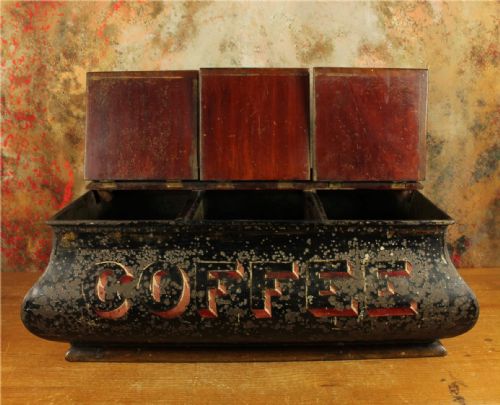
Iron and brass hardware reinforced the wooden structures, providing corner braces, heavy bands, and secure locking mechanisms. Toleware and sheet iron provided alternative surfaces for specialised containers like cafe compartments and seed chests.
Antique Merchant Box Retail Price Guide 2026
Typical asking prices for merchant box among the pieces listed under this phrase on Sellingantiques today, from the lower quarter to the upper quarter. They describe what is for sale here now, not the wider market.
Object forms span diverse traditions, ranging from Japanese Tansu chests and zenibako money boxes to English colonial campaign trunks and florist seed chests.
Assessing quality and build
Quality in an antique merchant box rests on the integration of its hardware and the integrity of the joinery. Stronger boxes feature robust iron banding and flush fitting brass mounts that protect vulnerable corners.
Fitted interiors and original locking mechanisms distinguish superior examples from plain utility boxes. The choice of secondary woods and the precision of dovetail or finger joints reveal the standard of workshop execution.
The Antique Merchant Box Glossary
- Strongbox
- A heavily reinforced container designed for securing valuables and money. These boxes typically feature thick iron banding and robust locking mechanisms.
- Tansu
- A traditional Japanese mobile storage chest built from wood without nails. They often incorporate multiple drawers and sliding panels for organising goods.
- Toleware
- Enamelled or lacquered sheet metal used for domestic and commercial containers. It provides a durable painted surface suitable for everyday trade use.
- Writing slope
- A portable slant topped desk fitted with compartments for correspondence and writing materials. These boxes fold securely for travel.
- Kiri wood
- Paulownia timber valued in Japanese cabinet making for its lightness and resistance to moisture. It protects contents from humidity changes.
Antique Merchant Box: Frequently Asked Questions
What is an antique merchant box?
An antique merchant box is a utilitarian container built during the nineteenth century or Edwardian period for commerce, travel, or secure storage. These pieces encompass everything from heavy iron banded strongboxes to Japanese Tansu chests and wooden trunks.
They were designed to withstand the rigours of transport while keeping valuable goods, money, or documents safe. Today, they serve as decorative storage furniture in contemporary homes.
How were merchant boxes used originally?
Merchants, travellers, and shopkeepers used these boxes to transport goods, store currency, or organise trade correspondence. Strongboxes secured money in shops, while trunks accompanied traders on ships and overland routes.
Smaller boxes functioned as writing slopes for letters or specialised containers for items like seeds and cafe supplies. Their design directly reflected the practical demands of nineteenth century trade.
What woods were used for these boxes?
Carpenters and cabinet makers utilised a wide variety of timbers depending on local availability and the intended use of the box. Pine and cedar served for general utility, while denser woods like teak and rosewood provided superior strength for colonial trunks.
Japanese pieces frequently employed kiri wood for its lightweight and protective qualities. Metal elements such as iron and brass were routinely added to reinforce wooden frames.