





Antique Medicine Glass
These antique medicine glass pieces are small, precise vessels and kits designed for administering remedies, offering a tangible link to historical domestic and professional healthcare.
Antique Medicine Glass
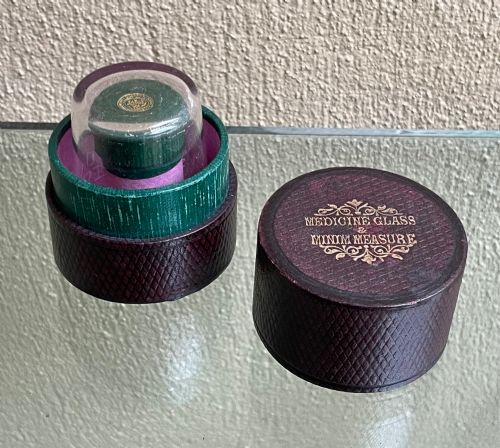
When searching for an antique medicine glass, collectors encounter various forms ranging from individual measuring vessels to complete fitted travelling cases and larger pharmacy bottles. The pieces on this page span the Georgian, Regency, Victorian, and Edwardian eras, reflecting the changing domestic and clinical needs of those periods.
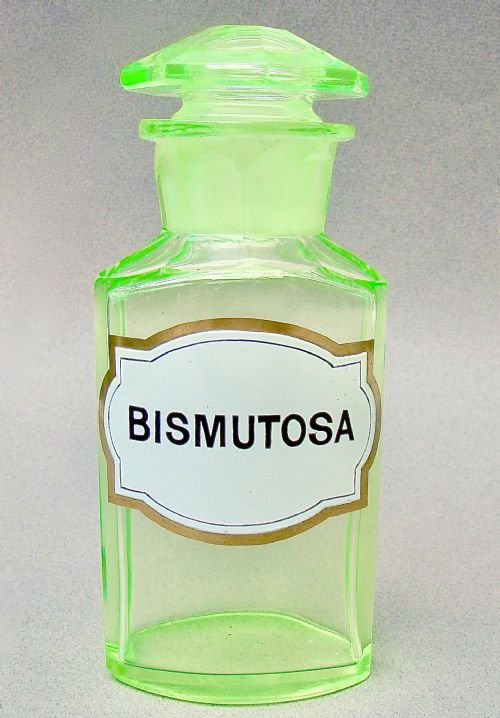
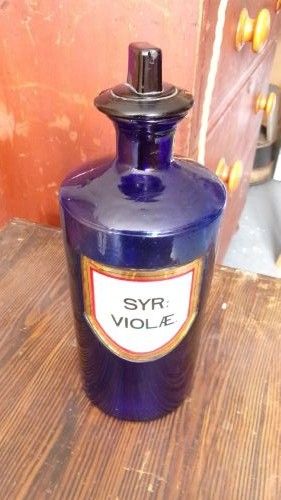
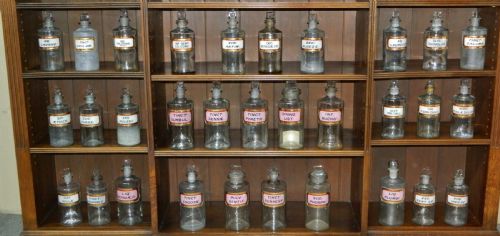
Individual medicine glasses often appear alongside larger apothecary boxes and chemist jars fashioned from mahogany, oak, and coloured glass. Bristol blue and deep green examples are particularly prevalent among the surviving glassware, alongside clear glass measures marked for specific doses.
Materials and construction
The glassware associated with these medical items relies on traditional blowing and moulding techniques, resulting in deep cobalt blue hues, rich greens, and clear crystalline finishes. Many bottles feature hand-applied white enamel labels or ground glass stoppers shaped to seal contents securely.
Enclosing boxes and travelling kits utilise timber like mahogany and oak, frequently fitted with brass hardware, velvet linings, paper elements, and miniature drawers designed to hold delicate glass vials and scales.
Antique Medicine Glass Retail Price Guide 2026
Typical asking prices for medicine glass among the pieces listed under this phrase on Sellingantiques today, from the lower quarter to the upper quarter. They describe what is for sale here now, not the wider market.
Some travelling medical kits are so compact they resemble miniature architectural chests, complete with tiny secret drawers for powders.
Assessing quality and completeness
Quality in these medical objects often rests upon the completeness of the set, with fitted wooden boxes retaining their original collection of glass bottles, stoppers, and measuring equipment commanding greater interest. The survival of original paper labels and applied enamel lettering on the glass adds significant historical depth.
Finer glassware displays clean moulding without excessive bubbles or distortion, while fitted cases show precise cabinet-making in mahogany or walnut with intact brass hinges, locks, and internal partitions.
The Antique Medicine Glass Glossary
- Apothecary
- A historical practitioner who formulated and dispensed materia medica and remedies to physicians and patients. They typically stored their preparations in specialised jars and fitted chests.
- Bristol Blue
- A deep cobalt blue glass historically produced in the Bristol area during the eighteenth and nineteenth centuries. It was frequently utilised for chemical and pharmacy bottles to protect contents from light.
- Lollipop Stopper
- A glass stopper featuring a flat, circular disc top resembling a lollipop, commonly found on nineteenth-century chemist and apothecary bottles.
- Travelling Kit
- A compact, fitted box or case designed to transport medicines safely during journeys. These often included scales, measures, and various glass vials secured in custom internal slots.
- Medicine Glass
- A small, calibrated glass vessel used for measuring precise liquid doses of medicine. Examples frequently feature etched or enamelled gradation lines.
Antique Medicine Glass: Frequently Asked Questions
What is an antique medicine glass?
An antique medicine glass is a small, historically used vessel marked with measurement lines for dispensing liquid doses of apothecary remedies. These items date primarily from the nineteenth and early twentieth centuries.
They were utilised in homes and medical practices before the standardisation of modern pharmaceutical packaging. Collectors value them for their simple utility and connection to historical medicine.
How were apothecary boxes used?
Apothecary boxes served as portable pharmacies for doctors travelling to patients or for wealthy households managing their own health care. They contained rows of glass bottles, measuring glasses, and sometimes scales.
The fitted wooden interiors kept fragile glass vials secure during transport. Many boxes included small secret drawers for powders, corks, and mixing tools.
How do I date an antique medicine glass?
Dating relies on examining the manufacturing traits of the glass, such as pontil marks, colour depth, and the style of any applied lettering or graduation lines. Earlier nineteenth-century examples often display hand-finished qualities.
Associated items like wooden cases, brass hardware, and paper labels also provide chronological clues. Georgian and Regency boxes typically feature different cabinet-making styles compared to later Victorian or Edwardian pieces.
Why are some apothecary bottles blue?
Coloured glass, particularly Bristol blue or deep green, was utilised to protect light-sensitive chemical preparations and liquid medicines from degradation. The pigment shielded active ingredients from sunlight.
These coloured bottles were a staple of nineteenth-century pharmacies and dispensaries. Today, their vibrant hues make them particularly sought after by decorative glass collectors.