





Antique Medical Instruments
Antique medical instruments are tangible pieces of clinical history, combining precise function with fine materials to draw the eye of the collector.
Antique Medical Instruments
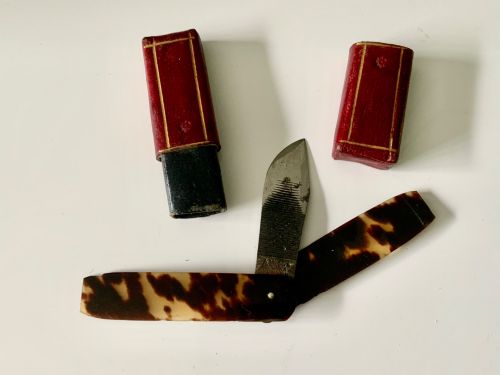
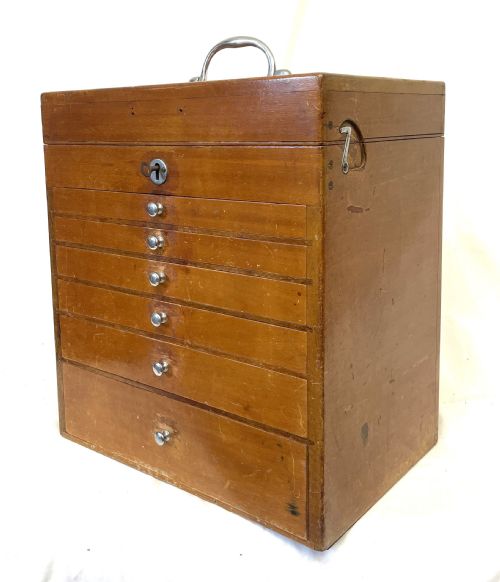
When buyers search for antique medical instruments, they encounter a diverse array of diagnostic, surgical, and therapeutic devices spanning several centuries. The selections on this page range from nineteenth century treen stethoscopes and silver cased fleams to fitted optician test glass kits and large oak dentist cabinets.
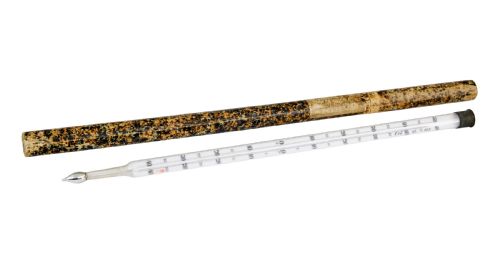
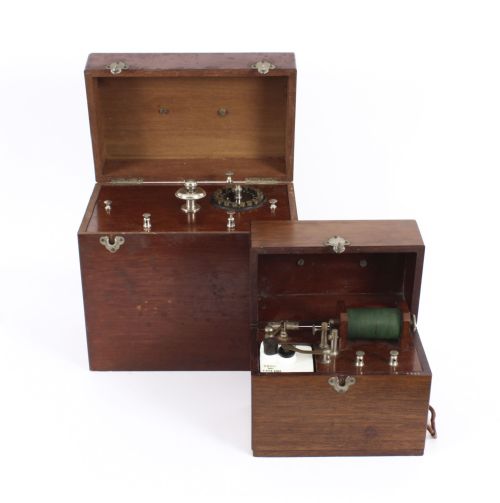
The objects most frequently met include cased surgical sets, diagnostic tools such as thermometers and electro therapy devices, and specialised storage furniture like tabletop cabinets and apothecary chests. These pieces reflect the evolving practices of military surgeons, general practitioners, and specialists throughout the Georgian, Regency, Victorian, and Edwardian eras.
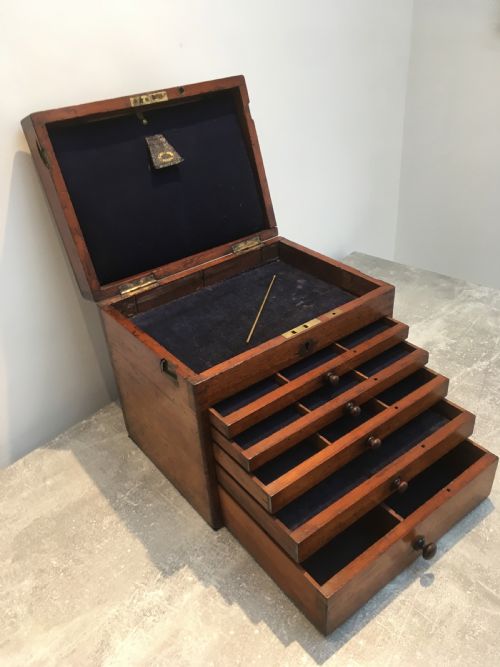
Many survivors retain their original fitted housings, whether in mahogany, pine, or velvet lined leather cases, preserving the complete apparatus as it was used in period clinical settings.
Materials and Construction
Makers utilised a distinct palette of durable materials, combining bright steel and polished brass for mechanical components with dense hardwoods like mahogany, oak, and ebony for handles and cabinetry. Glass lenses and delicate thermometer tubes required specialised blowing and mounting techniques.
Storage housings and carrying chests often featured fitted interiors lined with velvet or silk, constructed from mahogany, pine, or tortoiseshell to protect delicate scientific devices during transport.
One clock and barometer takes the unusual shape of a caduceus.
Factors of Quality
Quality in these devices rests upon the precision of the metalwork, the clarity of any glass or lens components, and the integrity of the maker's markings stamped onto the steel or engraved on the casing. Pieces bearing known nineteenth century London or regional makers command greater attention from collectors.
The standard of the accompanying cabinetry or fitted case also separates ordinary examples from superior ones, with well-preserved mahogany chests featuring original brass hardware and untouched interior linings representing the highest tier of craftsmanship.
John Millikin·Taylor and Perry·Maw London
The Antique Medical Instruments Glossary
- Fleam
- A small surgical blade used for blood letting, typically struck or pressed into a vein. These spring-loaded or manual instruments were frequently housed in silver cases during the Regency and William IV periods.
- Treen
- Small domestic or professional objects made of turned wood, such as nineteenth century stethoscopes. This material gives diagnostic tools a tactile warmth distinct from later metal apparatus.
- Tonsillotome
- A specialised surgical guillotine utilised for removing tonsils, often fitted with an ebony handle and bearing maker stamps from Edinburgh or London. Such instruments represent the specialised surgical engineering of the nineteenth century.
- Pneumothorax
- An apparatus designed for scientific or medical procedures involving the chest cavity, representing the more unusual and complex instruments found in twentieth century collections.
Antique Medical Instruments: Frequently Asked Questions
What periods do these instruments come from?
The pieces span from the Georgian and Regency eras through the Victorian and Edwardian periods up to the early twentieth century. Most surviving examples date from the nineteenth century when specialised medical and optical manufacturing flourished.
Collectors will find items marked with nineteenth century dates alongside twentieth century dental cabinets and electro therapy devices.
How were these instruments stored?
Many surgical and optical instruments came in custom fitted mahogany or oak cases lined with velvet to secure each delicate piece. Carrying chests and tabletop cabinets kept diagnostic kits organised for travel or consulting rooms.
Dentists and apothecaries used multi-drawer wooden cabinets to house larger equipment, supplies, and tools.
Are original cases usually included?
Numerous instruments retain their original fitted boxes, optician lens kits, or leather-covered cases bearing period linings. Complete sets often feature maker stamps on both the tools and the interior of the storage box.
Finding an instrument with its matching case significantly enhances its historical context and appeal to a collector.
How do I identify a maker?
Makers frequently engraved their names, partnership titles, and city locations directly onto the metal of surgical blades, thermometer scales, or instrument lids. Stampings on silver casings and cabinet hardware also provide clear attribution to nineteenth century firms.
Researching these engraved signatures reveals the workshops of London, Birmingham, and Edinburgh that supplied period practitioners.