






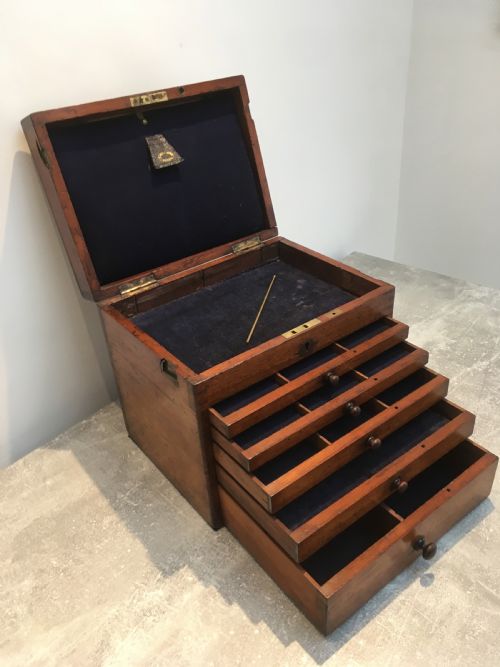

Antique Medical Case
An antique medical case holds the instruments and bottles of past practice, offering tangible history for collectors of scientific instruments.
Antique Medical Case
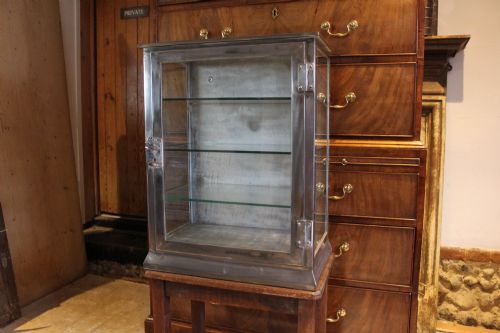
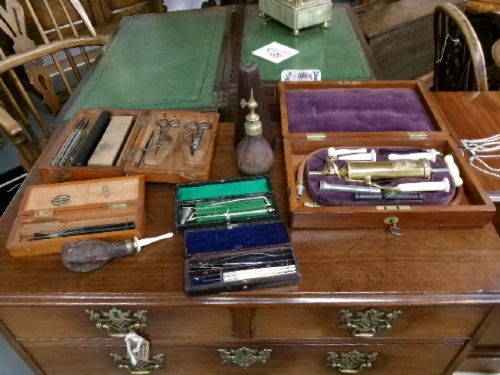
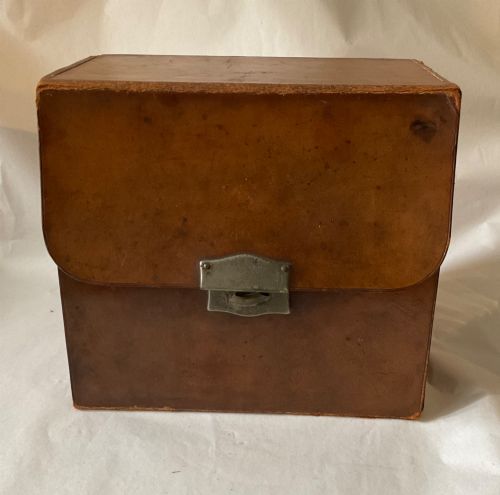
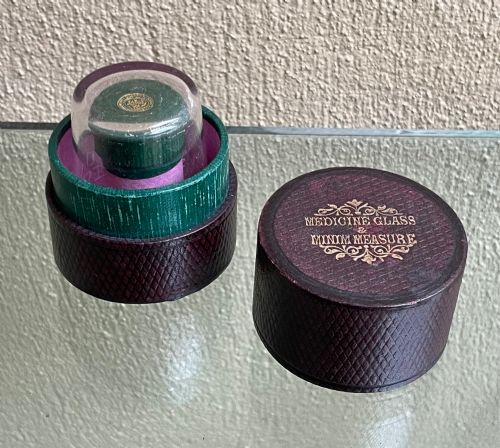
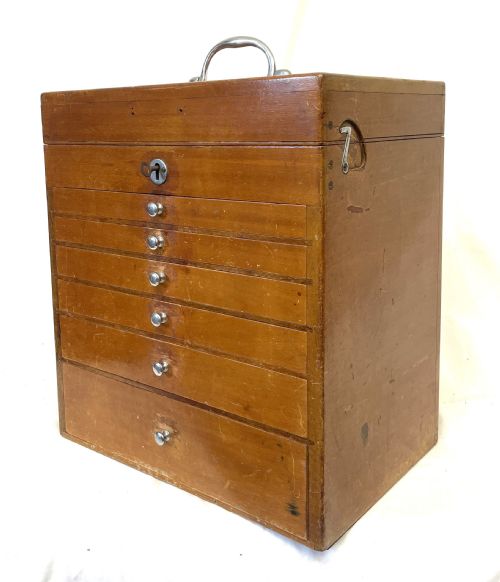
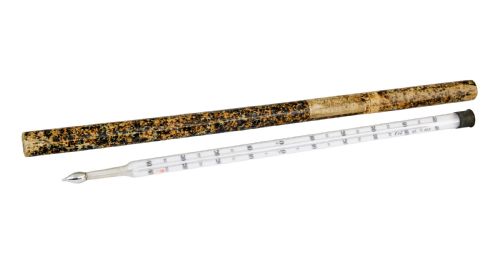
An antique medical case comprises portable travel sets, fitted boxes, and tabletop cabinets designed to hold instruments, bottles, and lenses. When searching for an antique medical case, buyers encounter wooden travelling chests, leather-bound kits, and glazed cabinets dating from the nineteenth and early twentieth centuries.
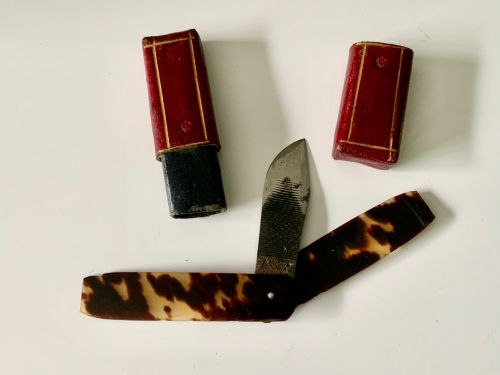
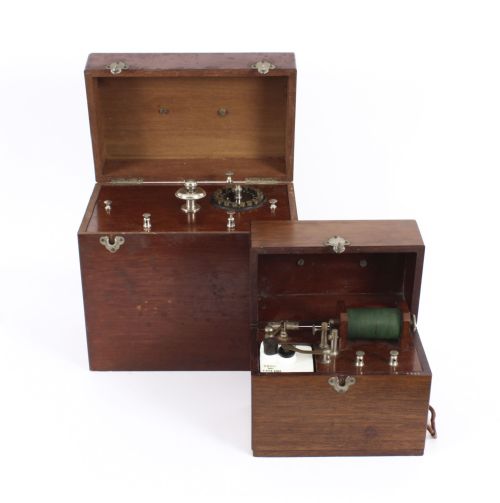
The objects span varied branches of practice, including veterinary lancets, apothecary sets, optician test glass kits, and electrotherapy devices. Most examples on this page date from the Victorian era up to the 1940s, reflecting domestic and professional use across Britain and Europe.
How They Were Made
Carpenters constructed the outer shells and fitted interiors using dense hardwoods such as mahogany and pine, alongside moulded leather and metal. Fitted compartments secured delicate glass bottles, steel instruments, and brass fittings against the rigours of travel.
Internal linings utilise velvet or other soft fabrics to cushion scientific and medical contents. Glass vessels and brass components demonstrate period manufacturing techniques suited to precision instruments.
Antique Medical Case Retail Price Guide 2026
Typical asking prices for medical case among the pieces listed under this phrase on Sellingantiques today, from the lower quarter to the upper quarter. They describe what is for sale here now, not the wider market.
Listings feature mahogany, pine, brass, glass, leather, and velvet across items dated from the 1800s through the 1940s.
What Varies in Quality
Quality rests upon the completeness of the original contents, such as surviving test lenses, medicine bottles, or specialised steel tools. Fitted wooden interiors with original partitions demonstrate superior craftsmanship compared to plain or altered storage boxes.
The precision of brass fittings, the condition of the leather casing, and the survival of makers' details elevate certain examples. Pieces retaining original fitted drawers and complete glass sets occupy the upper tier.
John Millikin
The Antique Medical Case Glossary
- Apothecary Box
- A fitted wooden container designed to hold medical bottles, scales, and ingredients for dispensing remedies. These boxes often feature secret drawers and secure brass locks.
- Cupping Set
- A collection of glass cups and scarificators used in traditional bloodletting practices. Sets are typically housed in fitted leather or wooden cases.
- Lancet
- A small, sharp double-edged surgical blade used for puncturing vessels in phlebotomy or vaccination. Veterinary examples appear in nineteenth-century folding formats.
- Optician Test Glass Lens Kit
- A collection of optical lenses housed in a cabinet or box for conducting eye examinations. These kits contain precision glass pieces used by optometrists.
- Electrotherapy Device
- A machine utilising electrical currents for medical treatments in the late nineteenth and early twentieth centuries. These apparatuses are often found in fitted wooden boxes with accessories.
Antique Medical Case: Frequently Asked Questions
What is an antique medical case?
An antique medical case is a fitted box, chest, or cabinet used to transport or store clinical instruments, apothecary bottles, and diagnostic tools. These containers protected delicate glass and steel items during travel.
They reflect the methods of past doctors, dentists, and opticians, serving today as collectible objects of scientific and social history.
How were apothecary boxes used?
Apothecary boxes were utilised by medical practitioners and households to store, prepare, and dispense medicines. The interior compartments held glass bottles for liquids and powders, alongside scales for measuring doses.
Travelling doctors carried these chests on house calls, while larger cabinets remained static in surgeries or homes for regular treatments.
How do I date an antique medical case?
Dating relies upon the construction materials, the style of the wooden box, and the type of instruments enclosed. Mahogany travelling cases with brass campaign handles typically point to the nineteenth century.
Later pieces from the 1920s and 1930s often incorporate industrial utility designs, metal construction, or simpler Scandinavian forms without complex internal joinery.
How should I display a medical cabinet?
Medical cabinets and tabletop display boxes suit studies, libraries, or living spaces where their fitted interiors remain visible. Placing them away from direct sunlight protects vulnerable materials like velvet linings and old leather.
Opening drawers or glazed doors allows the arrangement of glass bottles and instruments to be viewed as intended.