
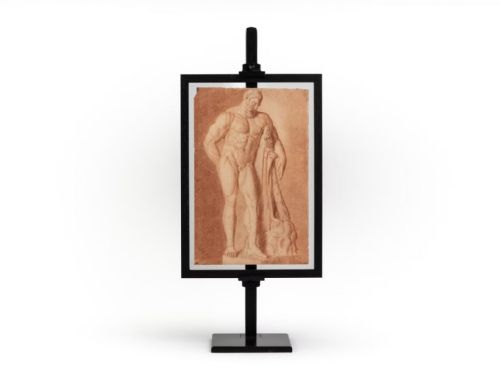


Antique Master Chalk Drawing
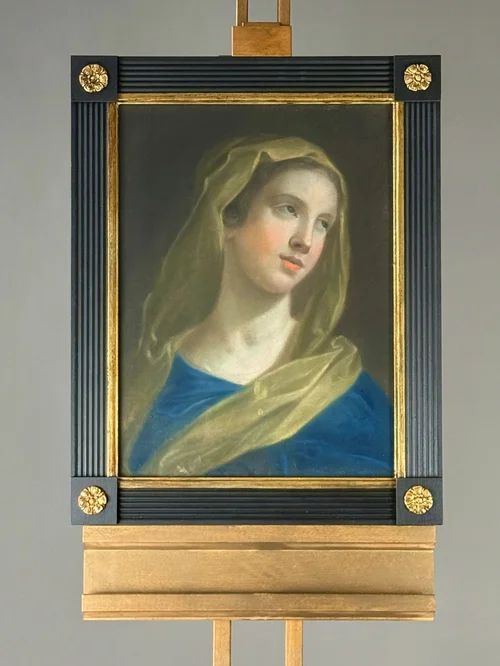
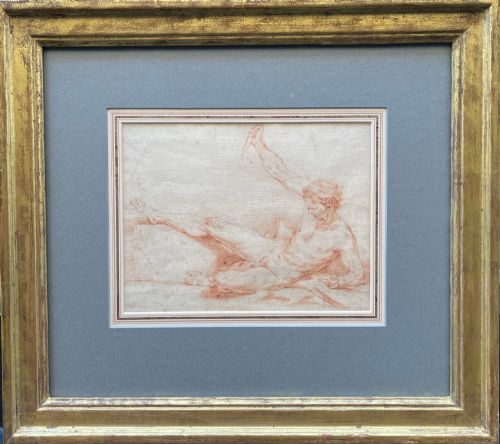
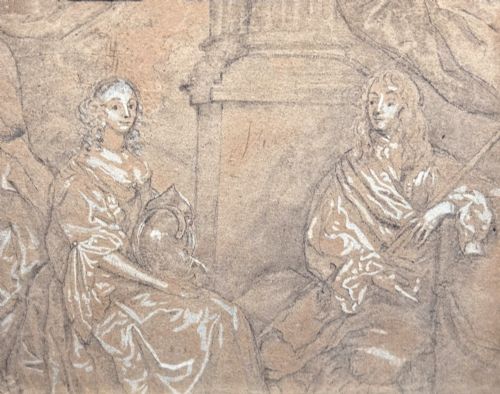
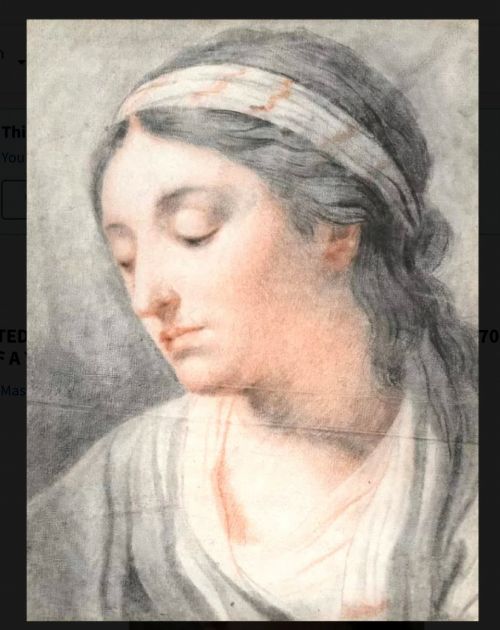
These antique master chalk drawing examples bring centuries of European portraiture and study into focus on paper.
Antique Master Chalk Drawing
An antique master chalk drawing captures the human form and classical subjects through the direct application of dry media onto toned or plain paper support. These works range from French school portrait studies to Italian Baroque figure drawings produced across the seventeenth, eighteenth, and nineteenth centuries.
Buyers encounter framed drawings and fine art works on paper that reflect distinct regional movements, including French Rococo and Italian Neoclassical aesthetics. Portrait drawings and mythological scenes dominate the selection, often attributed to notable European hands or their respective schools.
Materials and technique
Artists utilised chalk, red chalk, charcoal, and pastel applied directly to paper or toned paper to build tonal depth and contour. Red chalk, or sanguine, allowed practitioners to render flesh tones and musculature with remarkable warmth and immediacy.
Works frequently employ varied media on a single sheet, sometimes featuring recto and verso compositions that reveal preparatory studies or secondary sketches. The resulting sheets are preserved beneath glass within period wooden frames.
Listings feature paper supports in various tones alongside framing in wood and protective glass across multiple centuries.
Assessing the pieces
Quality rests upon the sureness of the line and the expressive capture of the subject, distinguishing rapid preparatory sketches from highly finished exhibition pieces. The preservation of the delicate dry media against the paper support remains central to the integrity of each sheet.
Attribution and provenance elevate certain works, particularly those linked directly to established European masters or documented through historical collections. The subtlety of shading in toned paper and the condition of the framing further define the standing of individual artworks.
Benedetto Luti·Francois Boucher·Hyacinthe Colin de Vermont·Peter Lely·Marie Leczinska·François-André Vincent·Pierre Paul Prud'hon·Demetrios Galanis·John Hoppner
The Antique Master Chalk Drawing Glossary
- Sanguine
- Red chalk made from haematite, widely used in portraiture for its warm flesh tones. Artists utilised this rich medium extensively during the seventeenth and eighteenth centuries.
- Recto and verso
- The front and back of a single sheet of paper. Master drawings occasionally feature finished compositions or preliminary sketches on both sides.
- Toned paper
- Paper that has been tinted with a neutral or coloured wash before drawing begins. This surface allows the artist to build up highlights with white chalk rapidly.
- Deux crayon
- A drawing technique employing two distinct colours of chalk, typically black and red, on toned paper. This method creates depth and varied tonal contrast.
- Manner of
- A term indicating that a work is executed in the style of a specific master rather than by their hand. It reflects the pervasive influence of major studios upon contemporary draughtsmen.
Antique Master Chalk Drawing: Frequently Asked Questions
What is an antique master chalk drawing?
It is a work on paper executed using dry media such as chalk, charcoal, or pastel, originating primarily from European schools between the seventeenth and early twentieth centuries.
These pieces function as finished portraits, mythological scenes, or preparatory studies for larger paintings.
How should I display works on paper?
These drawings require protection behind glass to shield the delicate chalk and pastel particles from airborne dust and physical disturbance.
Position them away from direct sunlight to prevent the paper support and dry pigments from fading over time.
What periods do these drawings represent?
The selection spans the seventeenth, eighteenth, and nineteenth centuries, alongside early twentieth-century avant-garde examples.
Major stylistic movements represented include Italian Baroque, French Rococo, Neoclassicism, and early Cubism.
Why do some drawings feature sketches on both sides?
Artists frequently utilised both the front and back of expensive paper to practice anatomical details, compositional arrangements, or alternative portrait studies.
These sheets, known as recto and verso, offer insight into the working methods of historical draughtsmen.