



Antique Marine Lighting
Antique marine lighting brings rugged maritime history indoors through heavy-duty brass, copper, and nickel fittings salvaged from vessels.
Antique Marine Lighting
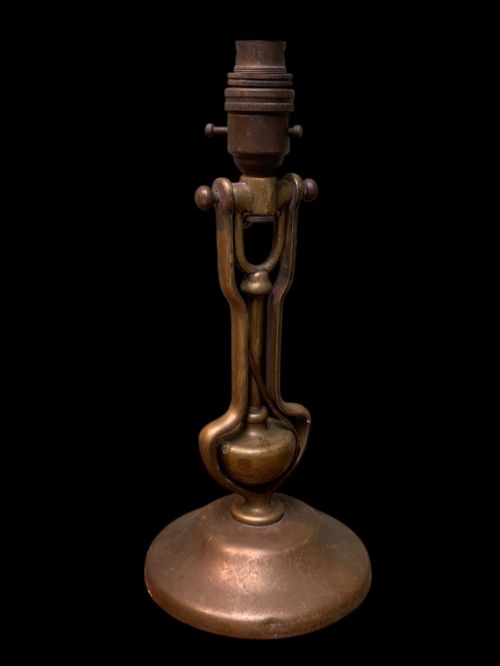
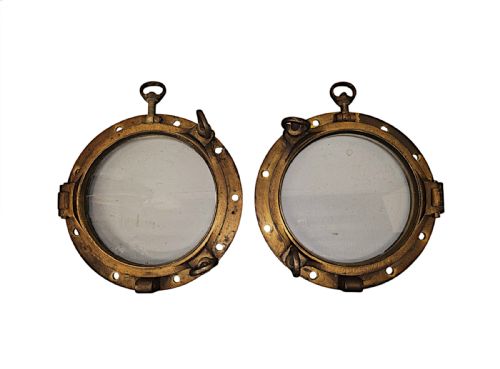
Antique marine lighting encompasses functional nautical items repurposed for modern interiors, spanning the nineteenth century through the early decades of the twentieth century. Buyers seeking antique marine lighting will encounter durable copper ship lanterns, nickel-plated gimbal lamps, and brass bulkhead or port hole fittings designed for harsh sea environments.
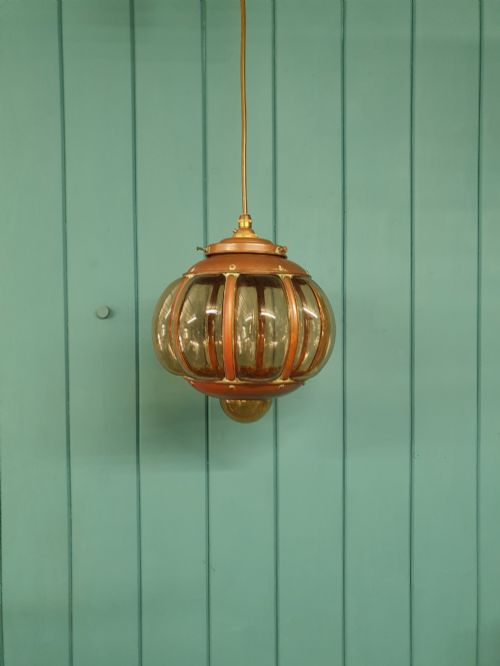
The selection ranges from heavy brass table lamps and wall lanterns to pendant lights and architectural salvage salvaged directly from vessels. Many pieces originate from specific manufacturing eras, including the Edwardian period and the nineteen-twenties, showing distinct utilitarian forms built to withstand salt water and heavy gales.
How these pieces were made
Workshops constructed these nautical fixtures using robust metals such as solid brass, heavy copper, and durable nickel plating designed to resist corrosion at sea. Riveted joints, thick cast frames, and watertight seals ensured that lamps and lanterns remained functional in heavy weather.
Functional glass elements, including smoked glass and thick clear lenses, protected naked flames or early electric bulbs from breaking on deck. Specialised mounting mechanisms like gimbals allowed table lamps and bulkhead lights to swing freely and remain level as a ship rolled.
Antique Marine Lighting Retail Price Guide 2026
Typical asking prices for marine lighting among the pieces listed under this phrase on Sellingantiques today, from the lower quarter to the upper quarter. They describe what is for sale here now, not the wider market.
What varies in quality
The caliber of antique marine lighting depends on the heaviness of the cast metal and the retention of original surface patination. Heavier gauge brass and thick, unpolished copper signify utilitarian items built to rigorous naval or commercial standards rather than decorative reproductions.
The presence of intact manufacturer plates, original gimbal mechanisms, and uncompromised heavy glass lenses distinguishes exceptional surviving examples. Simpler domestic interpretations or pieces with heavily replaced components sit lower on the scale than complete, original bulkhead and navigation lights.
Alderson & Gyde Ltd·William McGeoch & Co
The Antique Marine Lighting Glossary
- Gimbal
- A pivoted ring mounting that allows a lamp or compass to remain horizontal regardless of the ship's motion. This mechanical design prevents oil spills and keeps the flame steady in rough seas.
- Starboard
- The right-hand side of a ship when facing forward, traditionally indicated by a green light. In navigation lighting, port and starboard lanterns directed marine traffic at night.
- Smoked glass
- Darkened glass used in nautical light fixtures to diffuse glare from oil burners or early electric bulbs. It softens the intense illumination required for night watch duties.
Antique Marine Lighting: Frequently Asked Questions
What is a gimbal lamp?
A gimbal lamp uses a pivoted ring system that allows the light source to swing freely and remain upright as a vessel rolls on the water. This clever mechanical design prevented oil lamps from tipping over during heavy gales.
Today, these pivoting brass and nickel lamps are highly sought after for desk or wall mounting because they retain their original practical function and industrial aesthetic.
How do I identify a ship lantern?
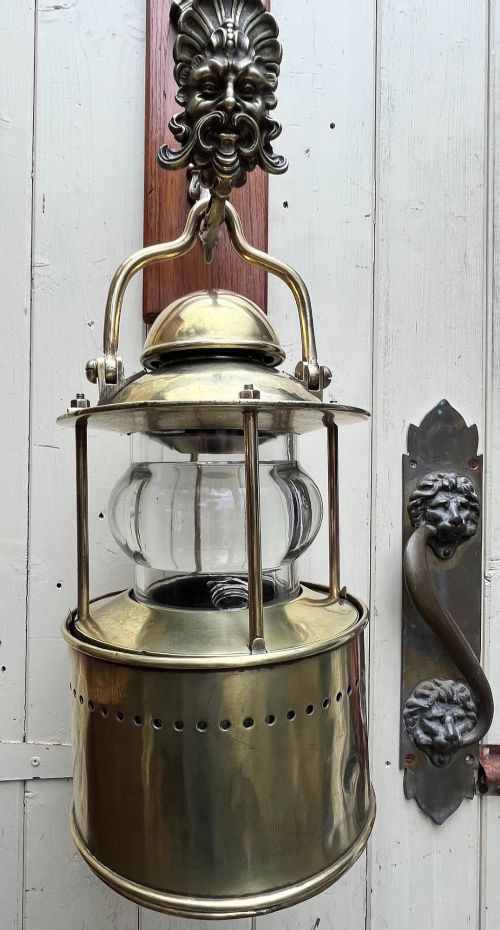
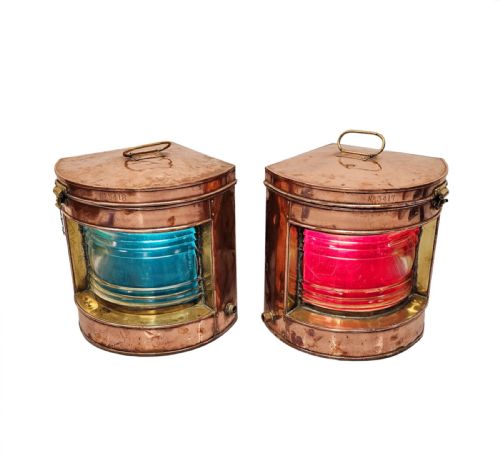
Ship lanterns feature heavy copper or brass construction, riveted seams, and thick protective glass lenses designed to withstand severe weather and sea spray at sea. Look for original maker plates, ventilation cowls at the top, and brackets meant for mounting on deck.
Many period lanterns also display specific port or starboard designations, indicating their original position on the vessel's hull for night navigation.
Were these lights electric or oil?
Most nineteenth-century and early twentieth-century marine lights operated on oil burners before electrification became standard aboard vessels. Their robust metal housings were built to safely contain naked flames in wet and windy conditions.
Contemporary owners often have these solid brass and copper fixtures safely rewired for modern interior electrical use while preserving their exterior hardware.
How do I style marine lighting?
These industrial pieces suit both contemporary and traditional spaces, working well as wall-mounted reading lights, desk lamps, or hanging pendants. Their weathered copper and polished brass surfaces introduce strong tactile textures to neutral rooms.
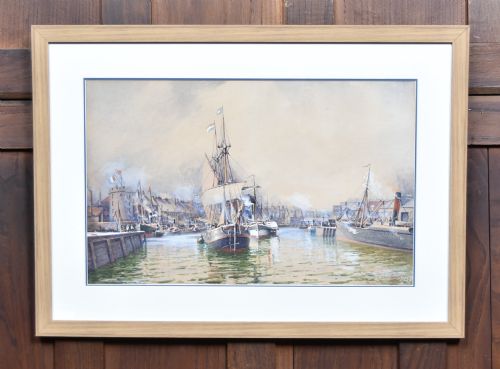
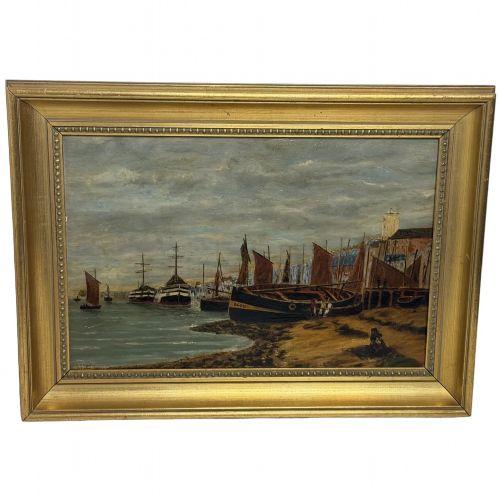
Pairing a heavy gimbal lamp with maritime art or salvaged architectural elements creates a cohesive interior scheme rooted in nautical history.