




Antique Marine Light
Antique marine light pieces bring the raw utility of the sea into domestic interiors through heavy brass, copper, and glass.
Antique Marine Light
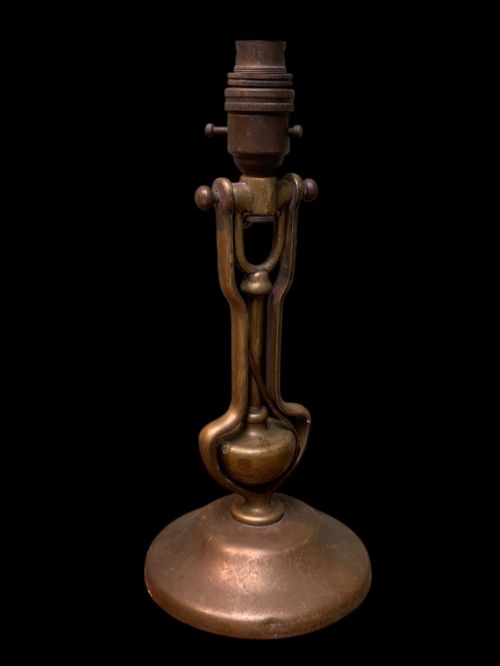
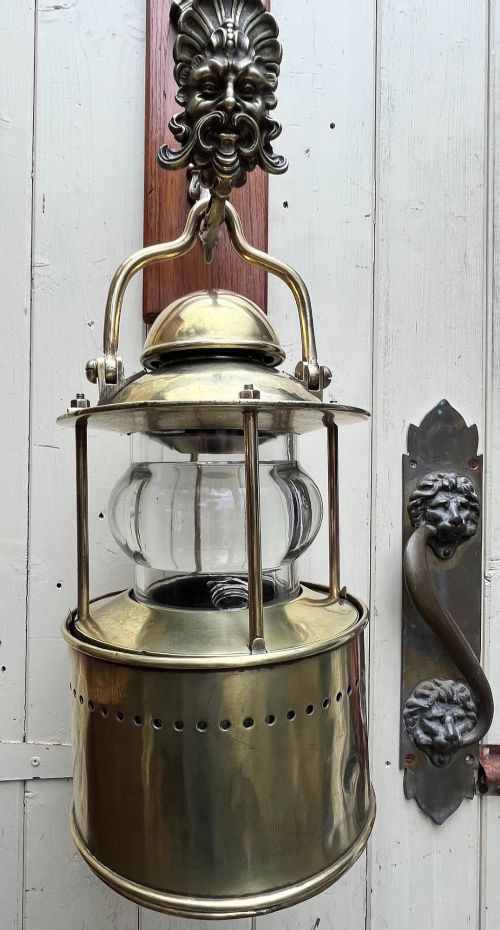
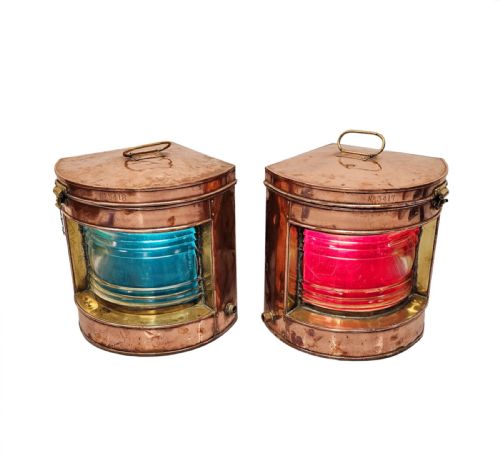
When you search for an antique marine light, you are looking at utilitarian objects built to endure harsh maritime conditions, from ships' lanterns and gimbal lamps to port holes and pendant fixtures. These pieces originate across the nineteenth and twentieth centuries, spanning the Victorian era through the Edwardian period and up to the nineteen-forties. Most examples encountered here take the form of heavy brass or copper ship lanterns and adjustable gimbal lamps designed to stay level on rolling seas.
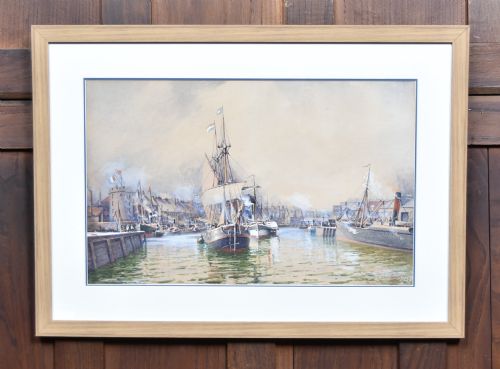
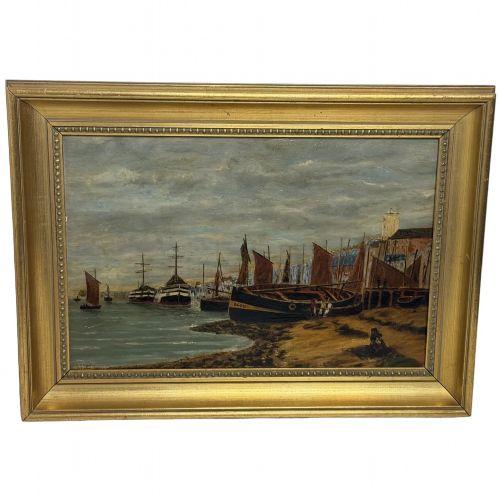
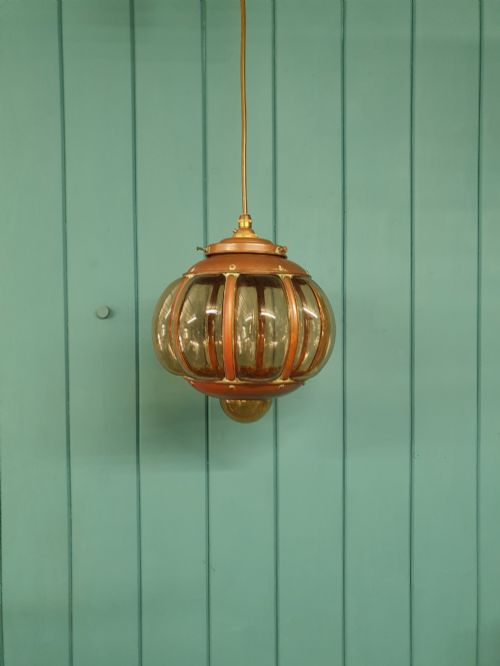
Alongside actual salvage and nautical lighting, the selection occasionally embraces contemporary maritime art, including oil paintings and watercolour paintings depicting coastal scenes, harbours, and ships. The architectural salvage items and heavy port holes sit alongside pendant lights fashioned from copper and smoked glass. Buyers will find that the physical substance of these objects - principally solid brass, copper, and iron - defines their character far more than any delicate ornamentation.
Materials and construction
The construction relies on heavy cast and spun metals such as brass, copper, and nickel plating, chosen for their resistance to marine corrosion. Thick, heavy glass lenses and panels protect the flame or bulb within, often held securely by robust metal frames and watertight seals.
Gimbal mechanisms incorporate weighted rings and pivot joints that allow lamps to swing freely and maintain an upright position regardless of vessel movement. Riveted joints, heavy brackets, and durable enamelled finishes on iron bases complete the robust fabrication needed for life at sea.
Antique Marine Light Retail Price Guide 2026
Typical asking prices for marine light among the pieces listed under this phrase on Sellingantiques today, from the lower quarter to the upper quarter. They describe what is for sale here now, not the wider market.
Materials recorded across the selection include brass, copper, nickel, glass, wood, fabric, paper, and watercolour.
Assessing quality and authenticity
Quality in an antique marine light rests in the weight of the metal, the crispness of maker stamps, and the integrity of the original mechanical parts such as gimbals and door latches. Superior pieces retain their original surface finishes, whether polished brass, nickel plating, or undisturbed copper patination, rather than modern chemical stripping.
The sophistication of the lens cutting and the heft of the cast components distinguish utilitarian workshop pieces from higher grade commercial or naval equipment. Maker attribution, visible through stamped plates from established firms, adds a layer of distinction that elevates an ordinary salvage item into a documented artefact.
Alderson & Gyde Ltd·William McGeoch & Co
The Antique Marine Light Glossary
- Gimbal lamp
- A lighting fixture suspended in a set of rings that pivot independently, allowing the lamp to remain level as a ship rolls. This clever balancing action prevents fuel spillage and keeps the light steady.
- Port hole
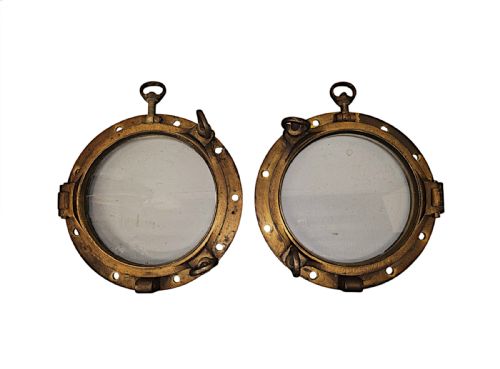
- A heavy circular window fitted into the hull of a ship to admit light and air. These brass-framed structures feature thick glass and heavy dog clips for watertight sealing.
- Ship lantern
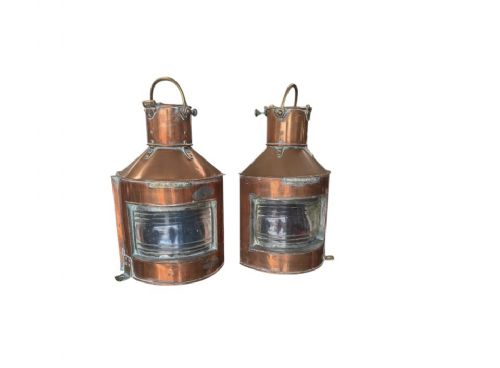
- Enclosed lighting fixtures designed to display navigational signals or illuminate deck areas during voyages. They utilise heavy copper or brass bodies with thick glass lenses.
- Architectural salvage
- Building elements and fittings rescued from structures or vessels slated for demolition. These pieces retain the authentic wear and construction methods of their original working environments.
- Watercolour painting
- A work of art executed with water-soluble pigments on paper, frequently used in this context to capture maritime subjects and coastal landscapes.
Antique Marine Light: Frequently Asked Questions
What is an antique marine light?
An antique marine light is a utilitarian fixture salvaged from ships or coastal installations, constructed from robust materials like brass, copper, and thick glass to withstand the ocean environment.
These items encompass gimbal lamps designed to swing on pivots, heavy port holes, and copper lanterns originally used for navigation or deck illumination.
How do gimbal lamps work?
Gimbal mechanisms use a system of concentric rings and pivot points that allow the lamp body to swing freely in multiple directions. This maintains a vertical orientation regardless of the tilt or roll of a vessel.
In domestic settings, this pivoting action provides both a mechanical point of interest and a functional way to adjust the angle of the light.
Where were these lights used?
These lights originally served aboard merchant vessels, naval ships, and fishing boats, functioning as cabin lamps, navigation signals, or deck illumination. Some forms also derive from coastal architecture and shore installations.
Today, their durable construction makes them suitable for industrial interiors, marine-themed rooms, or as statement desk lamps.
How do I clean brass and copper?
Metals like brass and copper develop a natural dark oxidation over decades of exposure to air and moisture. Many collectors prefer to leave this untouched patina as evidence of age and history.
If polishing is desired, use a non-abrasive metal cleaner applied gently with a soft cloth to avoid removing stamped maker details or vintage surface character.
Are these lights wired for electricity?
Many surviving pieces originate as oil-burning lamps or kerosene fixtures and require professional conversion to accept modern electrical fittings. This adaptation is typically carried out without altering the visible exterior character of the item.
Buyers should inspect individual listings to confirm whether a piece retains its original oil reservoir or has already been adapted for contemporary wiring.