




Antique Maple Display Cabinet
An antique maple display cabinet brings warmth and figured timber to a room while keeping prized possessions safely in view.
Antique Maple Display Cabinet
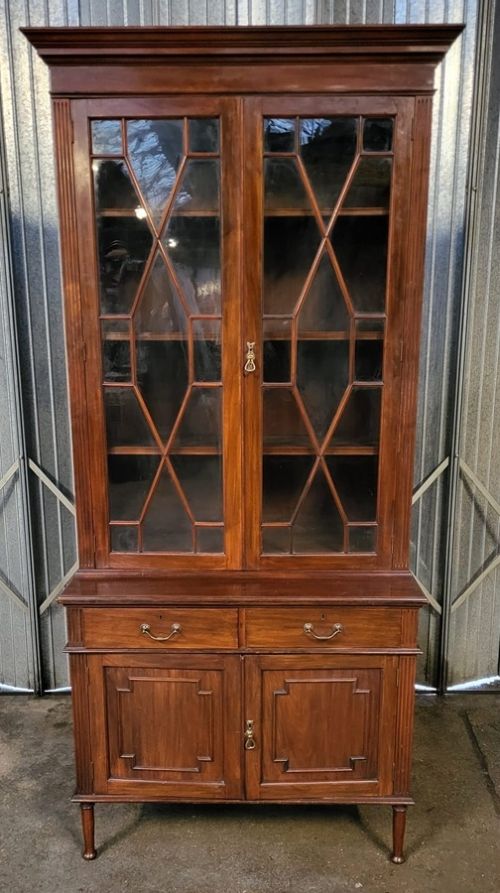
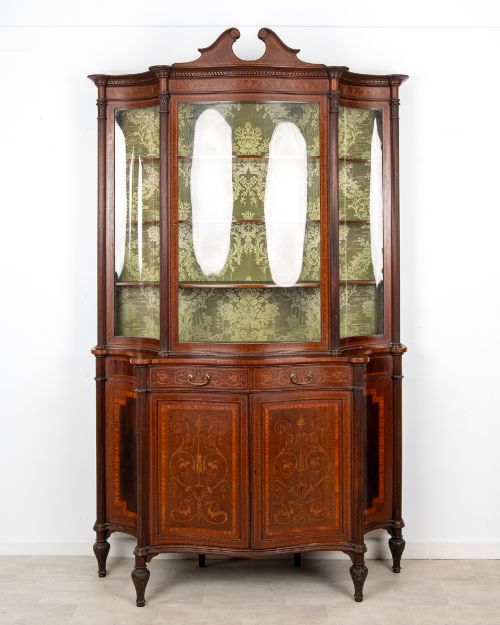
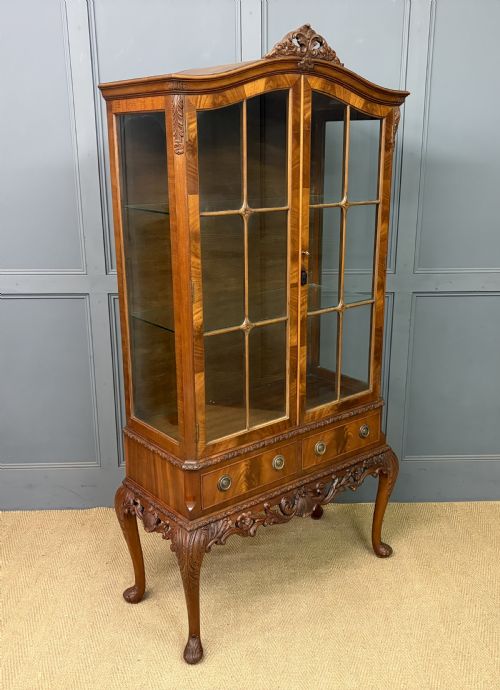
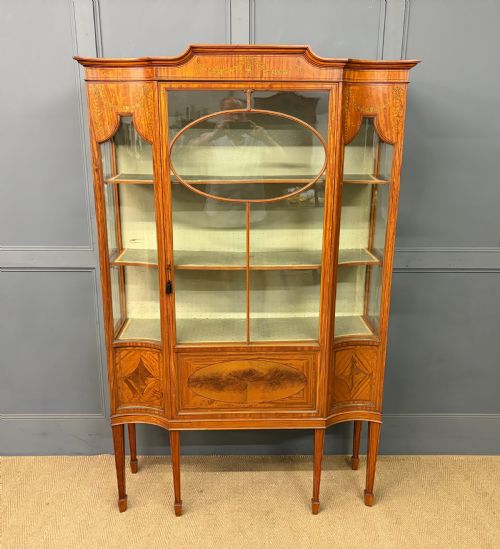
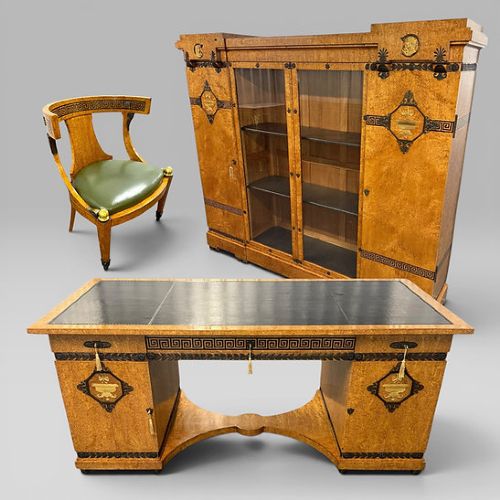
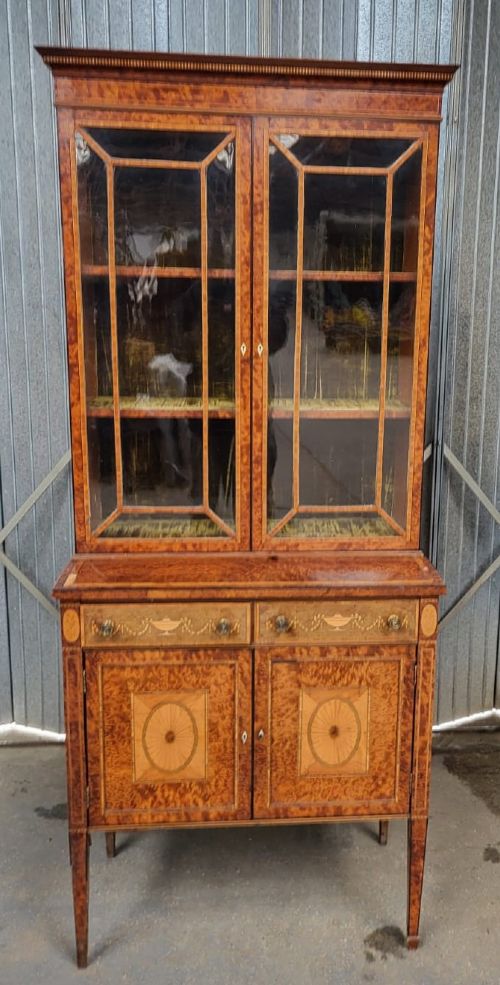
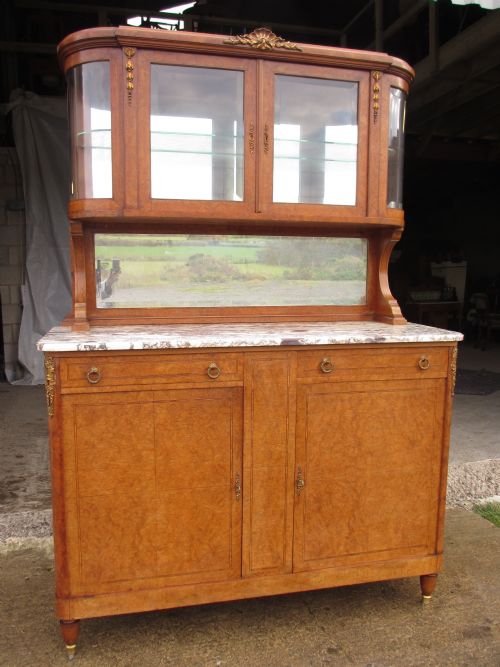
Makers such as Maple & Co dominate the selection, often pairing birds eye maple or burr maple with contrasting stringing and glass panels. These pieces served to exhibit porcelain and glassware in formal drawing rooms and studies.
The domestic interior gains lightness from maple timber compared to heavier dark woods. Versions span simple glass-fronted storage to elaborately inlaid revival styles from the nineteenth and early twentieth centuries.
What varies in quality
The selection of timber grain largely separates standard production from exceptional examples. Dense, symmetrical birds eye figuring or well-matched burr maple indicates careful stock selection by the workshop.
Refinement in stringing, marquetry details, and the weight of brass or ormolu hardware mark the distinction between commercial pieces and exhibition grade commissions. Original glazing and intact interior velvet linings further elevate the standard.
Antique Maple Display Cabinet Retail Price Guide 2026
Typical asking prices for maple display cabinet among the pieces listed under this phrase on Sellingantiques today, from the lower quarter to the upper quarter. They describe what is for sale here now, not the wider market.
Some maple cabinets hide tiny secret compartments originally intended for private letters and small valuables.
Maple and Co·Mercier Freres
The Antique Maple Display Cabinet Glossary
- Birds Eye Maple
- A figure in maple wood where the grain swirls in small dots resembling bird eyes. This pattern occurs naturally and commands attention on polished surfaces.
- Burr Maple
- Timber taken from a tree growth where grain has swirled into intricate knots. It provides deep texture when laid as veneer on cabinet doors.
- Ormolu
- Gilded bronze used for decorative mounts and feet on nineteenth century furniture. It adds metallic contrast to wooden surfaces.
- Marquetry
- The art of forming decorative patterns with thin pieces of veneer. Craftsmen arrange different timbers to create floral or geometric scenes.
- Secretaire
- A cabinet incorporating a writing drawer or fold-down desk flap. These multifunctional pieces combine display space with a compact writing surface.
Antique Maple Display Cabinet: Frequently Asked Questions
How do I clean my display cabinet?
Dust the wood gently with a soft, dry cloth to protect the polished surface. Avoid modern silicone sprays that can damage antique finishes over time.
Clean the glass panels using a minimal amount of window cleaner applied to a cloth rather than sprayed directly. This prevents moisture from seeping into wooden frames and veneer edges.
Can I adjust the wooden shelves?
Most period cabinets feature fixed wooden shelving held by traditional housing joints or stationary supports. Altering shelf heights generally requires professional intervention to preserve structural integrity.
If the interior includes adjustable bracket tracks, position shelves carefully to avoid scratching the polished interior backboards. Distribute weight evenly across older timber planks.
How do I distinguish Edwardian maple from Victorian pieces?
Victorian examples often embrace deeper tones and robust marquetry alongside birds eye maple panels. Proportions tend to be heavier and more ornate in character.
Edwardian interpretations favour lighter satinwood banding, delicate glazing bars, and simpler neoclassical or art nouveau lines. Timber selection in this later period frequently highlights natural grain over heavy ornamentation.
Where should I place a maple cabinet?
Position the cabinet away from direct sunlight and heat sources to prevent the maple veneer from fading or drying out. Stable indoor temperatures protect fragile antique glues and joints.
Ensure the floor surface is level so the glazed doors hang true and latch properly. Heavy cabinets benefit from wall tethering for safety in busy household spaces.