


Antique Maple Chest
An antique maple chest brings warmth and rich grain to a room, offering both practical storage and distinctive figuring.
Antique Maple Chest
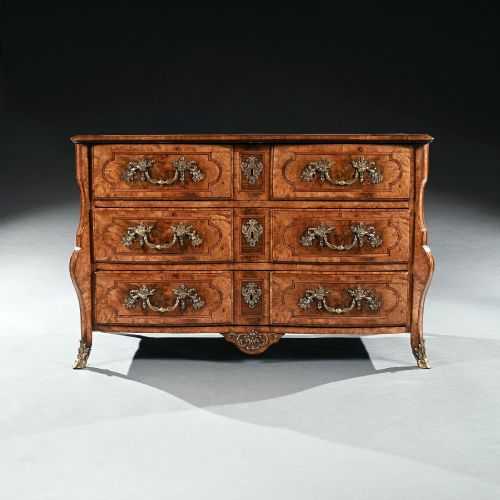
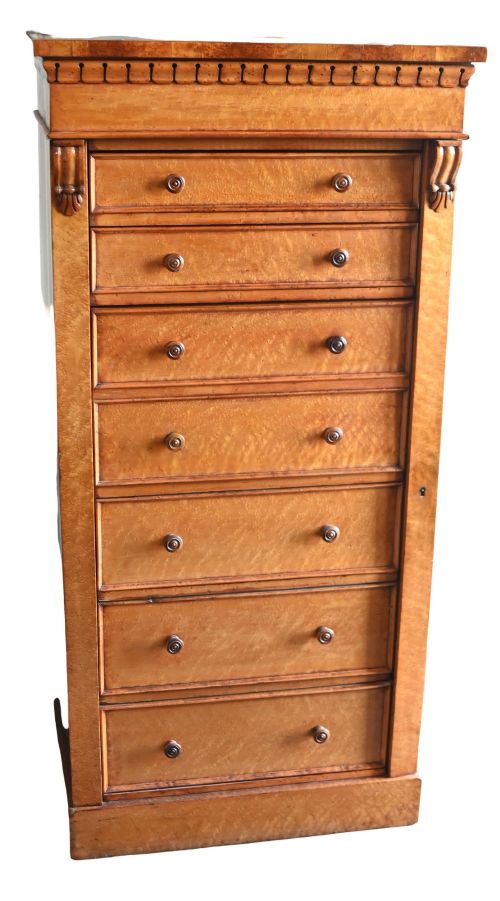
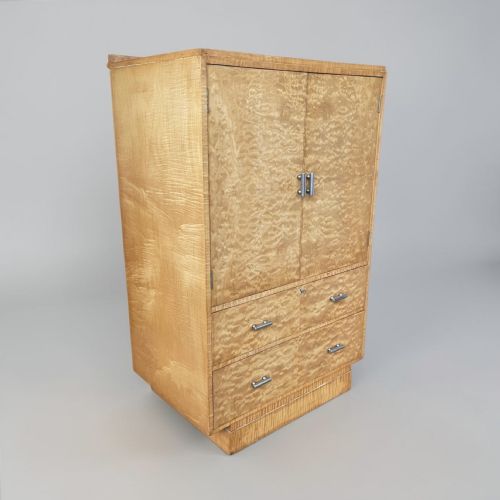
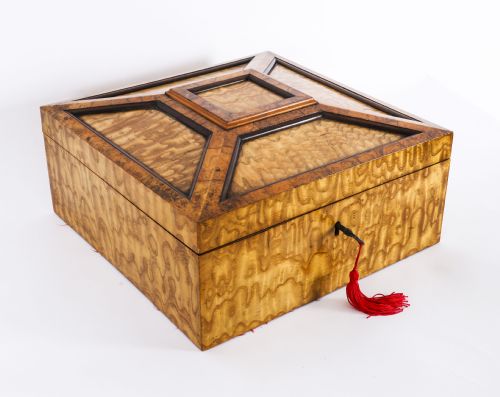
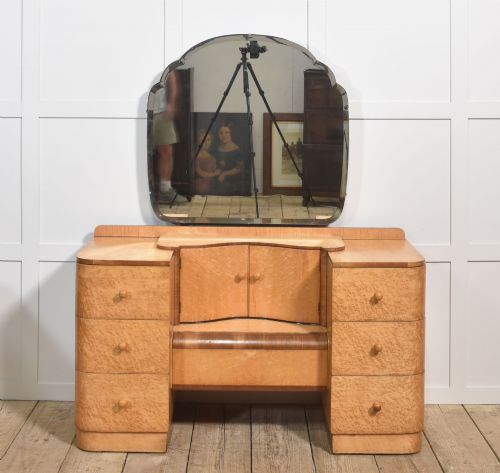
An antique maple chest appears across several periods, ranging from eighteenth-century commodes to twentieth-century Art Deco tallboys and dressing tables. Buyers searching for an antique maple chest encounter diverse formats, including tallboys, Wellington chests, gentleman's chests, and smaller caskets.
The selection includes pieces produced in standard maple, burr maple, and birds-eye maple, sometimes combined with secondary timbers such as mahogany or walnut. Origin and style stretch from French Regence and William and Mary through to Victorian and Edwardian iterations.
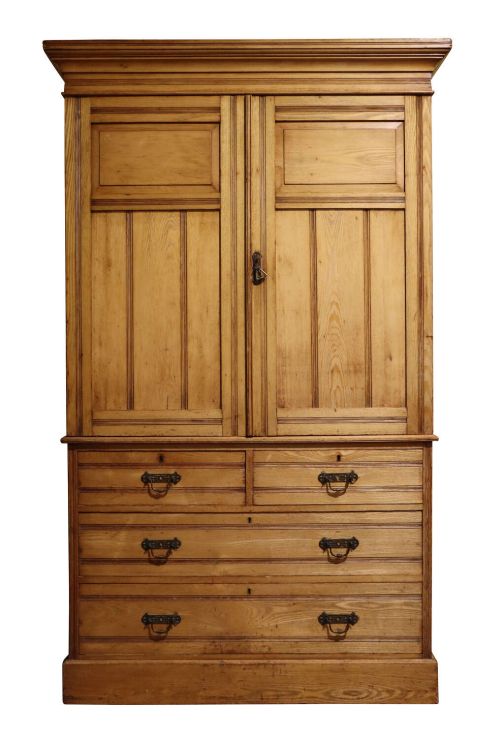
Most items on this page lean towards Victorian and Art Deco eras, showing how cabinetmakers utilised the pale, figured wood for bedroom and living space furniture. Whether you choose a compact bedside cabinet or a tall linen press, the focus remains on useful compartments and decorative timber.
Materials and construction methods
Cabinetmakers select timber such as birds-eye maple and burr maple for their striking natural patterns, often pairing them with brass hardware, glass mirrors, and solid wood carcases. The distinct figuring of birds-eye and burr varieties requires careful veneer selection to cover drawer fronts and surfaces symmetrically.
Construction techniques span traditional dovetailing for drawers and framing for tallboys, linen presses, and campaign pieces. Secondary woods like mahogany, oak, and walnut provide structural stability beneath the decorative maple exterior.
Materials featured across the inventory include birds-eye maple, burr maple, brass, glass, and mahogany.
Distinguishing quality in craftsmanship
Quality rests upon the choice and matching of the maple veneer, where tight, even figuring across multiple drawer fronts signals superior workshop selection. The crispness of inlaid details and the integration of brass handles or glass elements further separate standard utility pieces from finer commissions.
Structural integrity reveals itself in smooth drawer operation, solid internal framing, and the preservation of original surfaces without excessive intervention. Pieces attributed to prominent makers or specific regional workshops often display a higher degree of finishing refinement.
Thomas Hache of Grenoble·Maple & Co.
The Antique Maple Chest Glossary
- Birds Eye Maple
- A figure in maple wood where small knots in the grain resemble tiny eyes, highly valued for decorative veneer work. This figuring occurs naturally and creates a distinctive dotted pattern across drawer fronts.
- Burr Maple
- A growth deformity on a maple tree that produces intricate, swirling grain patterns. Cabinetmakers prize this timber for high-status commodes and caskets.
- Wellington Chest
- A tall, slender chest of drawers secured by a hinged locking side-bar that fastens with a key. This form became popular during the nineteenth century for compact storage.
- Tallboy
- A tall piece of furniture formed by stacking one chest of drawers upon another, or built as a single tall cabinet. It maximises vertical storage capacity in smaller rooms.
- Commode
- A low chest of drawers or cabinet originating in French furniture design. Eighteenth-century examples often feature elaborate veneers and mounts.
Antique Maple Chest: Frequently Asked Questions
What is birds-eye maple?
Birds-eye maple is a distinct timber variation caused by local stress in the wood growth, creating small circular markings that resemble tiny eyes.
Cabinetmakers slice this wood into fine veneers to cover the drawer fronts and primary surfaces of chests and dressing tables.
How do I date an antique maple chest?
Dating relies on observing construction methods, hardware styles, and overall design characteristics that align with periods like the Victorian era or Art Deco.
Makers' marks, secondary woods, and the type of finish also provide clear clues to the decade of manufacture.
Where should I place a tallboy?
A tallboy suits bedrooms or dressing rooms where floor space is limited but vertical storage is required.
Its height allows it to hold numerous garments while occupying a relatively small footprint against a wall.
Are maple chests durable?
Maple is a dense and hard wood that resists daily wear and tear remarkably well, making it practical for heavy furniture use.
Proper care involves keeping the wood away from direct heat sources and maintaining steady indoor humidity levels.