
Antique Mantel Figures
Antique mantel figures bring character and history to a room, ranging from classical bronze deities to cheerful Victorian ceramic animals.
Antique Mantel Figures
When you search for antique mantel figures, you encounter a diverse array of decorative sculptures, clock sets, and spill vases designed to sit upon a fireplace shelf. The selection spans the nineteenth century through the Art Deco era, drawing on Victorian, French Empire, and Asian traditions.
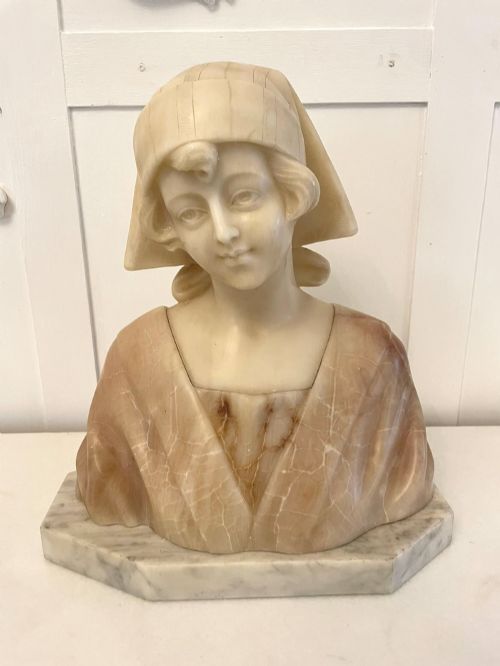
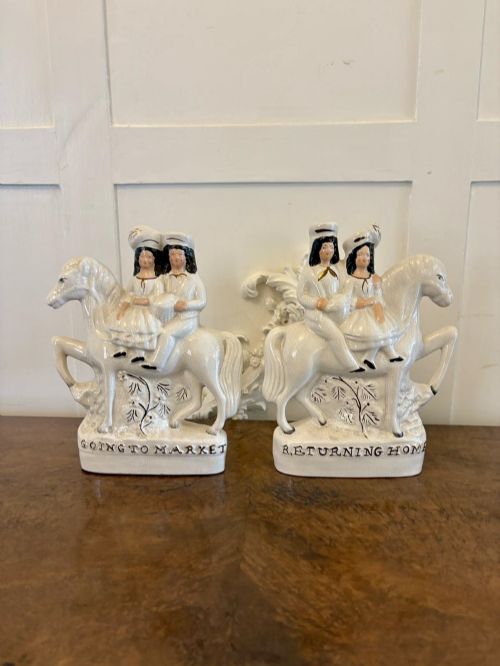
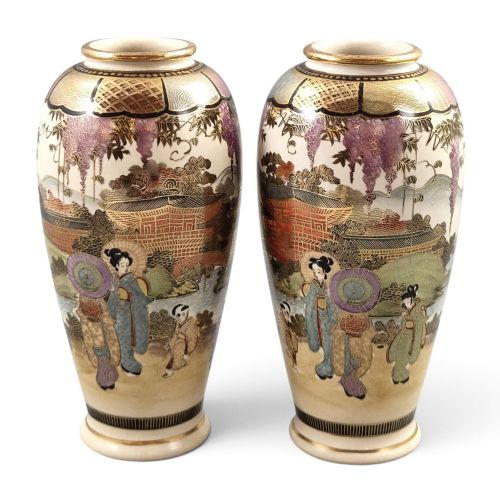
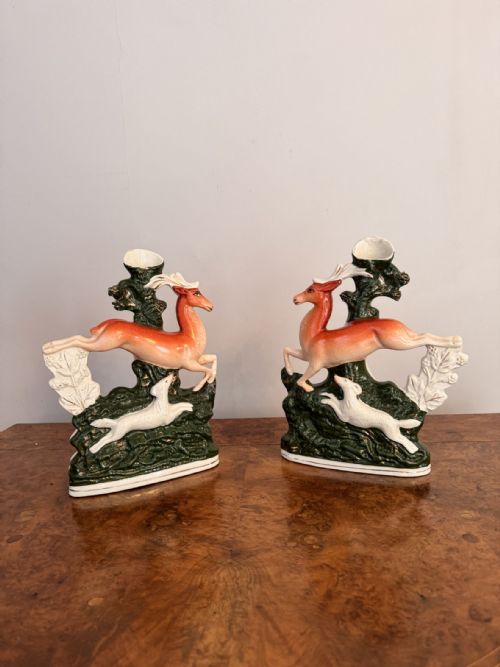
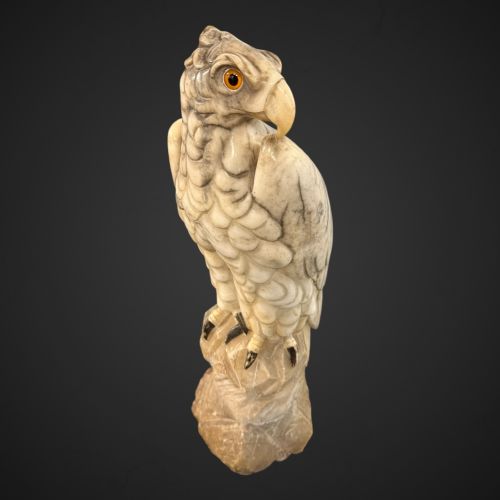
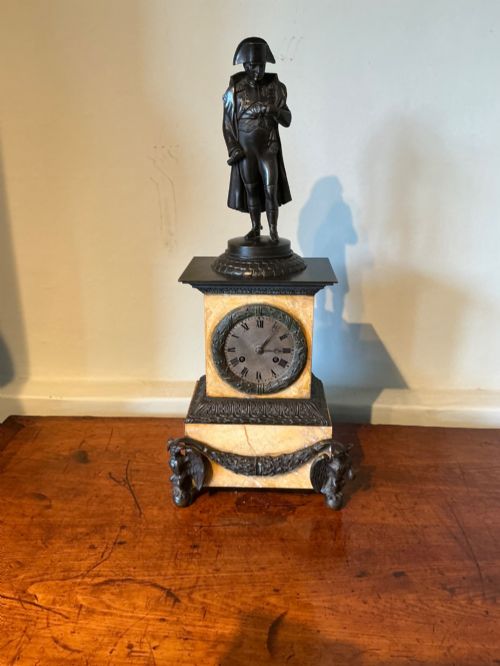
The most common examples on this page include Staffordshire pottery dogs and portrait figures, alongside French bronze mythological or historical subjects. You also find spelter animal figures, marble carvings, and porcelain vases intended to ornament domestic interiors.
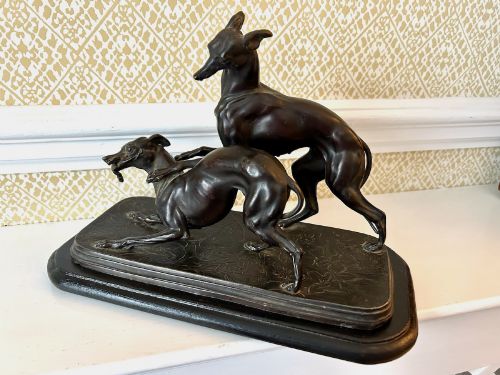
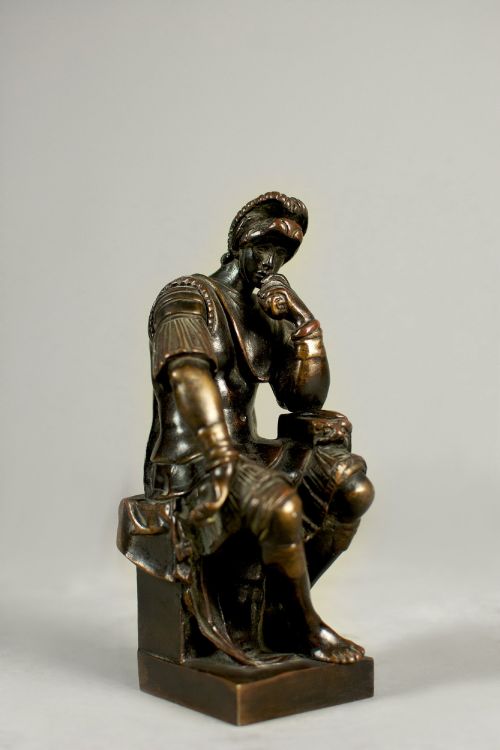
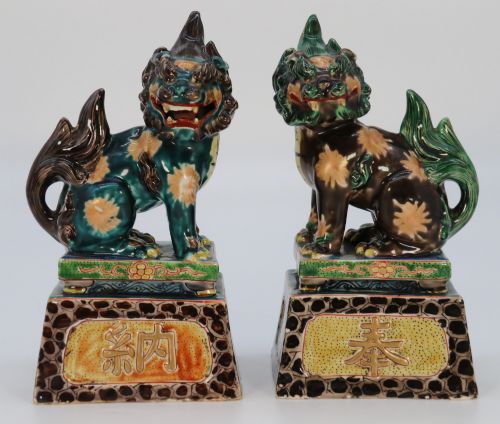
Originating from British, French, and Asian workshops, these pieces reflect the varied tastes of collectors across the decades. Whether shaped as a pair of whippets or a single classical hero, each object serves as a tangible link to past interior decoration.
Materials and construction
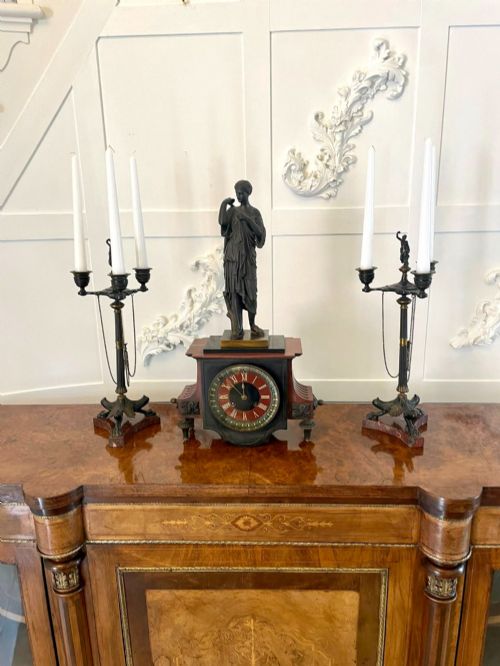
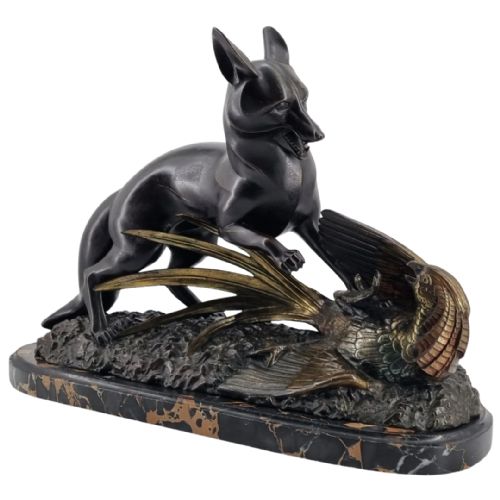
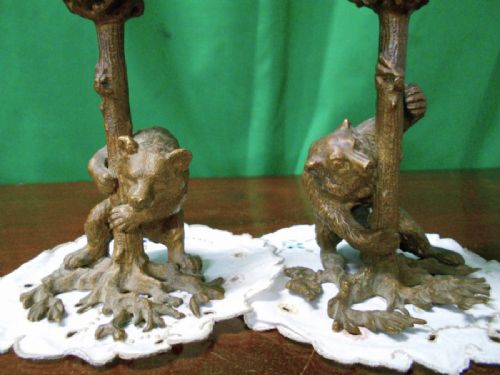
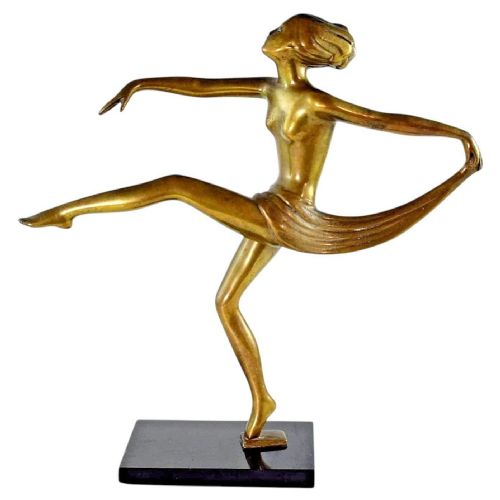
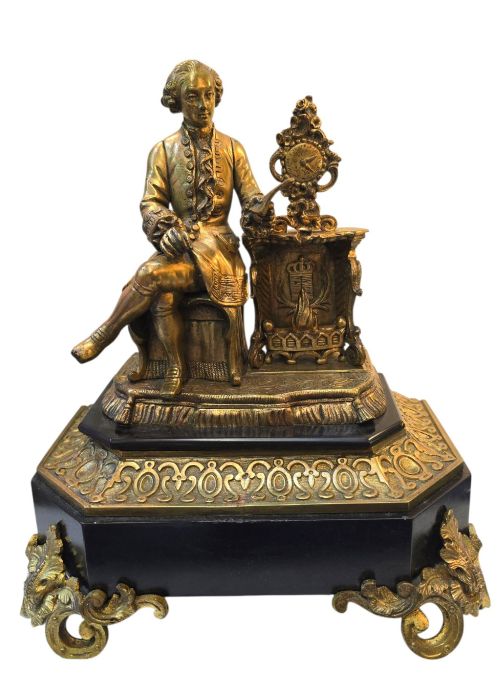
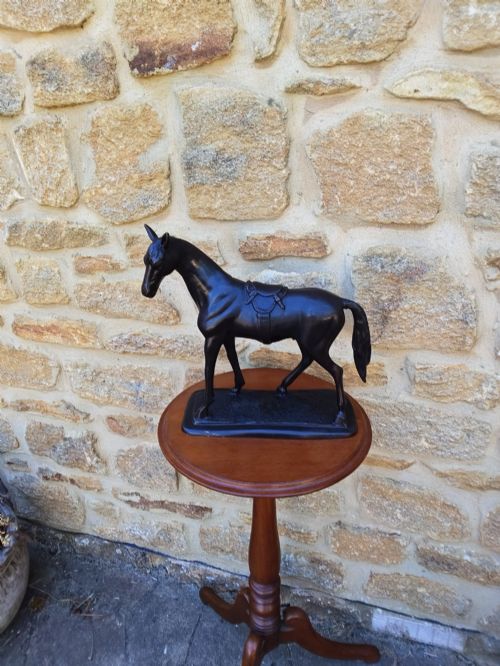
Metal sculptures frequently utilise bronze, gilt bronze, or spelter, often cast from detailed models and mounted upon heavy marble plinths. Bronze pieces utilise the lost-wax casting method to capture fine anatomical and textural details.
Ceramic examples rely on earthenware and porcelain, shaped into flat-back figures or hollow spill vases decorated with enamel and glaze. Staffordshire potters used hand-painting and transfer printing to colour their pottery dogs and human portraits.
Listings feature items from the 19th century through the Art Deco period, rendered in bronze, marble, earthenware, and spelter.
Judging quality in sculpture and ceramics
Quality rests upon the crispness of the casting in metalwork and the definition of the modelling in ceramics. Superior bronze figures display sharp chiselling and careful patination, while finer pottery shows clean painted details without blurring.
The integrity of the material pairing also matters, such as the fit between a bronze figure and its marble base. Original surface finishes and genuine patination elevate a piece above later restorations or heavily worn examples.
Lavroff·Josef Lorenzl·Pierre Philippe Thomire·Émile Louis Picault·Emile Carlier·Masaaki
The Antique Mantel Figures Glossary
- Spelter
- A zinc alloy commonly utilised as a less expensive substitute for bronze in decorative figures. It often receives a bronze-coloured surface coating.
- Spill vase
- A hollow ceramic vessel designed to hold taper spills used for lighting pipes or candles. They frequently take the form of animals or figures standing beside a tree trunk holder.
- Ormolu
- Gilded bronze applied to furniture and clock mounts. The technique involves coating metal in a mercury and gold amalgam.
- Animalier
- A nineteenth-century artistic style focusing on the realistic depiction of animals. Sculptors in this tradition studied anatomy closely through life observation.
- Flat back
- A method of ceramic manufacture where figures are unglazed and unpainted on the reverse side. This allowed Staffordshire potters to produce pieces more economically for display against a wall.
Antique Mantel Figures: Frequently Asked Questions
What materials are these figures made from?
The pieces utilise a variety of materials including bronze, spelter, marble, earthenware, and porcelain. Metal sculptures are frequently paired with stone plinths.
Ceramic examples rely on traditional pottery techniques with hand-painted glazes and enamel highlights.
How do I display a mantel figure?
These sculptures sit naturally on fireplace mantelpieces, sideboards, or console tables. Paired figures work well arranged symmetrically on either side of a clock.
Ensure the display surface is stable and level, particularly for heavier marble and bronze items.
What is the difference between bronze and spelter?
Bronze is a durable alloy of copper and tin that takes a rich patina and holds fine casting detail. Spelter is a softer zinc-based metal.
Spelter figures are lighter and generally served as affordable alternatives to bronze during the nineteenth and early twentieth centuries.