

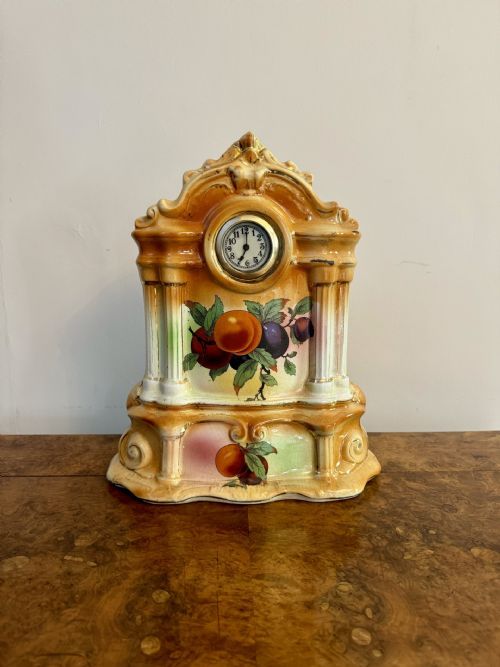

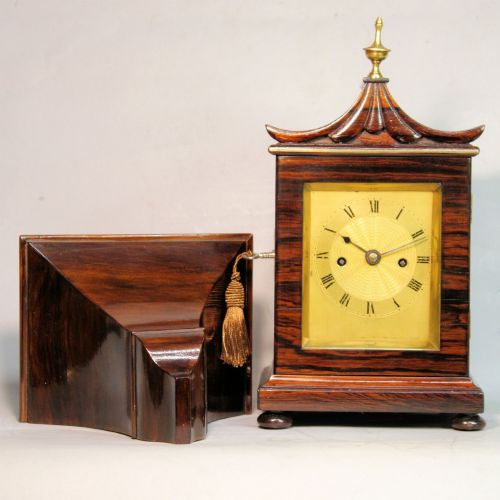
Antique Mantel Clock Case
An antique mantel clock case holds the mechanisms that measure the hours while setting a distinct tone for a room.
Antique Mantel Clock Case
An antique mantel clock case serves as the architectural and decorative housing for clock movements, designed to sit steadily on a shelf or mantelpiece. When searching for this phrase, buyers encounter housings created across the nineteenth and early twentieth centuries in various materials.
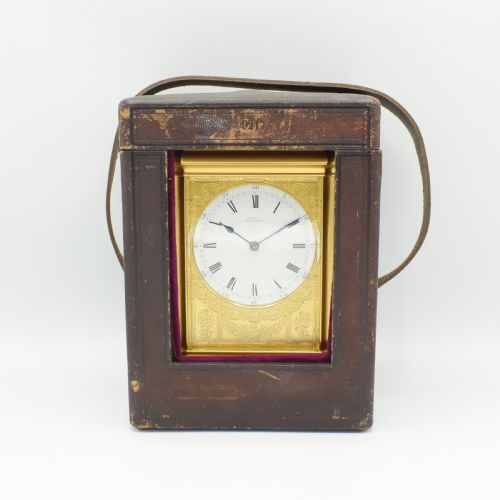
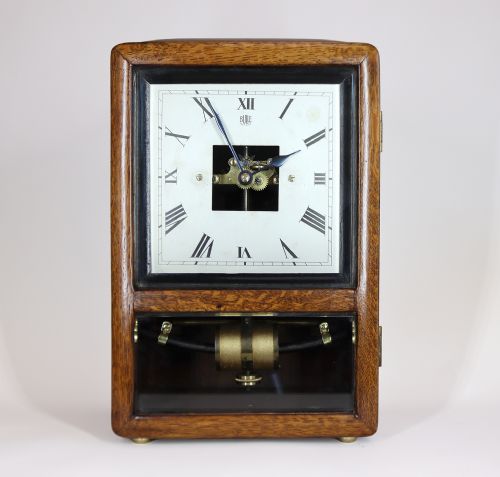
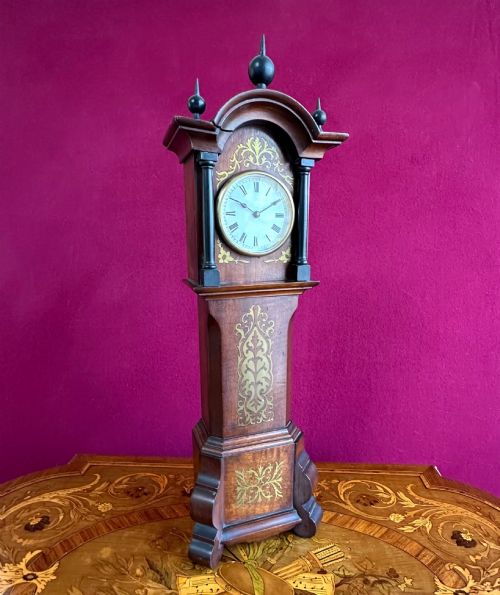
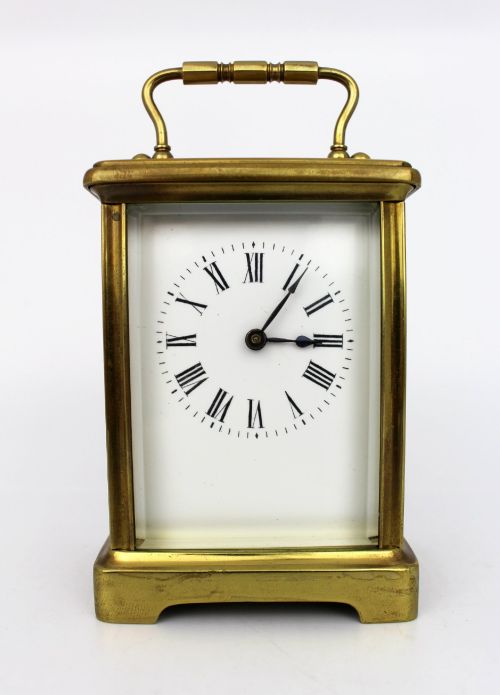
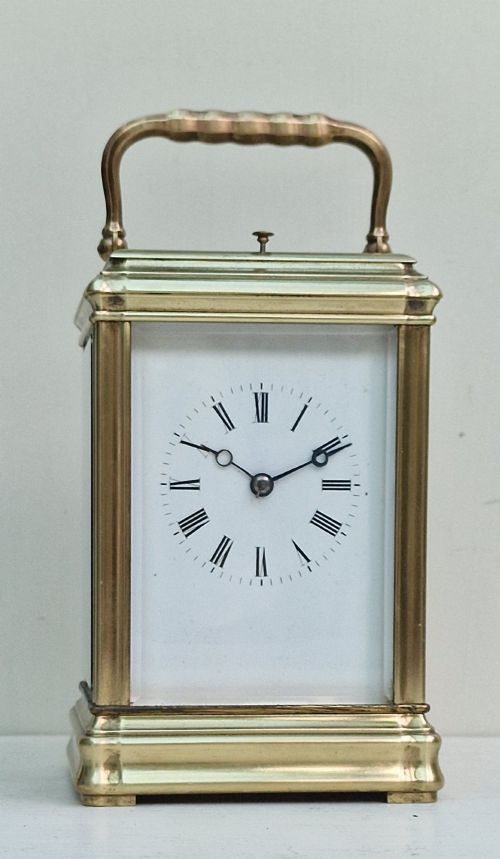
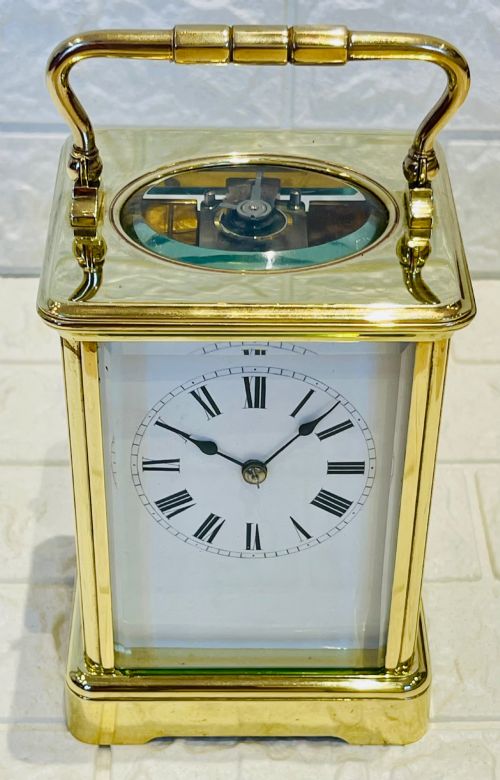
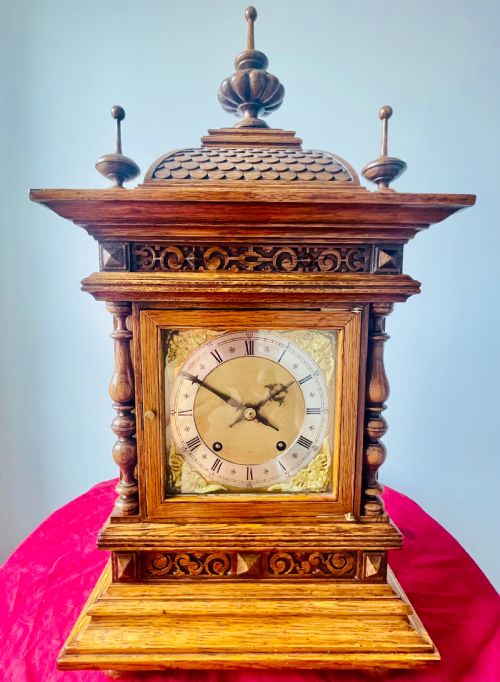
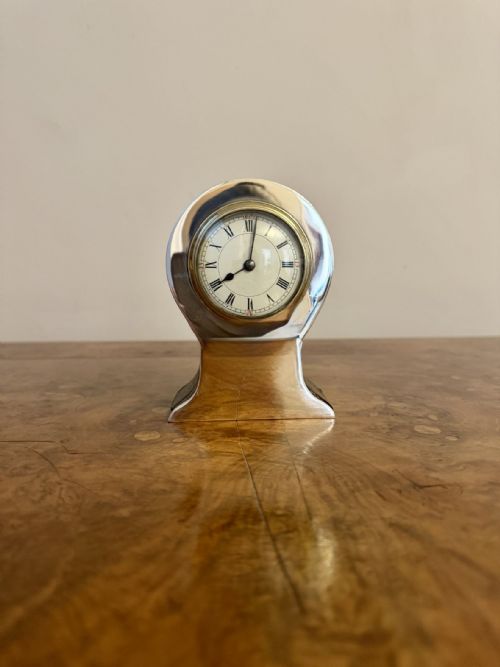
The versions most frequently met on this page include brass carriage clock housings, wooden bracket and library models, and ornate French ormolu designs. These pieces range from simple mahogany and oak boxes to intricate gilded brass gorge cases and marble bodies.
Originating largely from British, French, and German makers, these items reflect the distinct domestic tastes of the Victorian, Edwardian, and Regency periods. Each style demonstrates how clockmakers adapted their protective enclosures to prevailing interior aesthetics.
How they were made
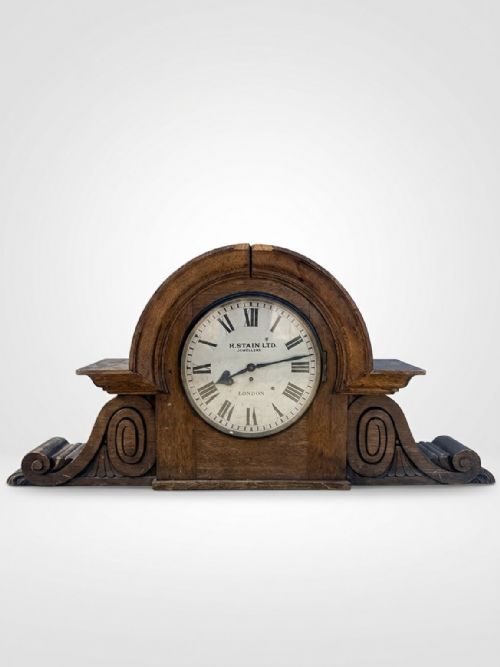
Craftsmen built these housings using robust hardwoods like mahogany, walnut, oak, and rosewood, frequently incorporating fine veneers, inlay, or ebonisation. Metal housings utilised brass, gilt brass, ormolu, and silver, cast and shaped to form structural frames with glass panels.
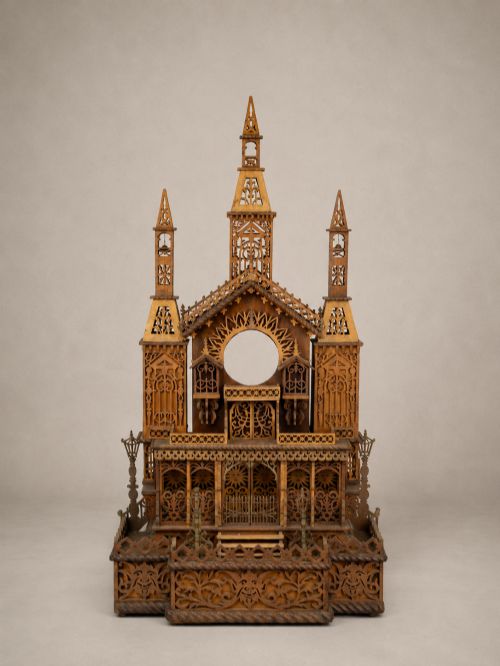
Decorative techniques involved intricate fretwork, hand-engraving on gilt brass surfaces, and the insertion of enamel panels or marble bases. Joinery and metal casting required precision to ensure the enclosure protected the delicate mechanical movements housed within.
What varies in quality
The caliber of a piece rests upon the weight and purity of its materials, seen in heavy cast bronze frames rather than thin stamped metal, or solid timbers over simple veneers. Superior examples display crisp hand-engraving on brass cases and precise joinery on wooden frames.
Distinction also arises from the integration of maker-marked components, harmonious proportions, and specialised additions like original travel cases or matching wall brackets. The artistic execution of decorative mounts, porcelain dials, and glass bevels dictates the standing of each item.
Henri Jacot·Winterhalder And Hofmeier·Pickford Of London·Drocourt Paris·Margaine Of France·Samuel Marti·Paul Garnier·Thomas Cox London·Payne London·Granges London
The Antique Mantel Clock Case Glossary
- Gorge case
- A distinct rectangular brass carriage clock housing characterised by stepped mouldings at the top and base. This style originated in France during the nineteenth century.
- Fusee
- A conical pulley mechanism inside the case that ensures even tension on the clock's mainspring as it unwinds. It forms a central component of high-grade British library and bracket clocks.
- Ormolu
- Gilded bronze or brass applied as decorative mounts and figures on nineteenth-century French housings. The technique imparts a rich gold appearance to the metal surface.
- Doucine case
- An enclosure featuring a concave or ogee-moulded profile along the sides or top. This curved architectural form appears frequently on French carriage clock housings.
- Ting tang
- A striking mechanism utilising two bells or gongs to sound the quarters and hours. The arrangement creates a specific tonal pattern heard within bracket and mantel clocks.
Antique Mantel Clock Case: Frequently Asked Questions
What is a carriage clock case?
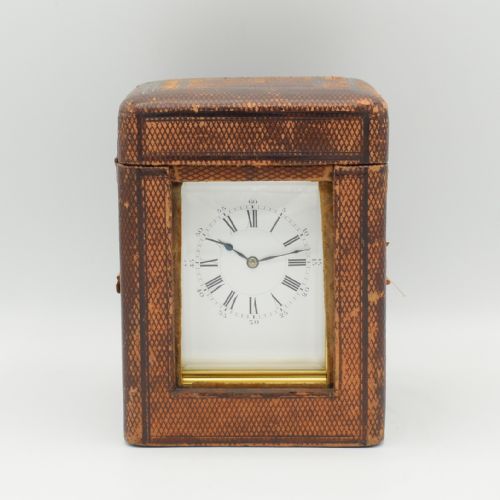
A carriage clock case is a portable brass and glass housing originally designed for travel by horse-drawn carriage or train. These protective enclosures typically feature bevelled glass panels and a hinged handle on top.
Most examples date from the nineteenth century and incorporate either simple pillared frames or more detailed gorge designs with engraved gilt surfaces.
How do I identify a Victorian clock case?
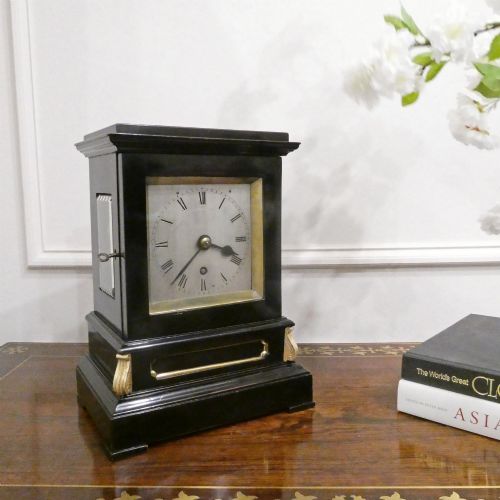
Victorian clock housings often display heavier proportions and materials such as ebonised wood, heavy brass, or Sienna marble. They frequently reflect revival styles ranging from Gothic details to ornate Rococo bronze mounts.
Examining the interior woodwork, joint construction, and any maker signatures on the dial or movement helps confirm the period of manufacture.
What is a library clock case?
A library clock case is a sturdy wooden or brass housing built to hold a fusee movement designed for steady desk or table placement. These pieces usually prioritize clean architectural lines over excessive ornamentation.
Many feature five glass panels that allow a clear view of the internal mechanical movement from multiple angles.
How were wooden clock cases finished?
Wooden clock housings received French polish, wax, or varnish finishes to protect the timber and highlight natural grain patterns in mahogany, walnut, or oak. Some pieces incorporated intricate marquetry, stringing, or contrasting veneers.
Maintenance involves preserving the original surface sheen through careful cleaning rather than stripping or refinishing the historic wood.