

Antique Luxury Wrist Watch
An antique luxury wrist watch carries the precision of mid-century horology combined with precious metals and diamonds.
Antique Luxury Wrist Watch
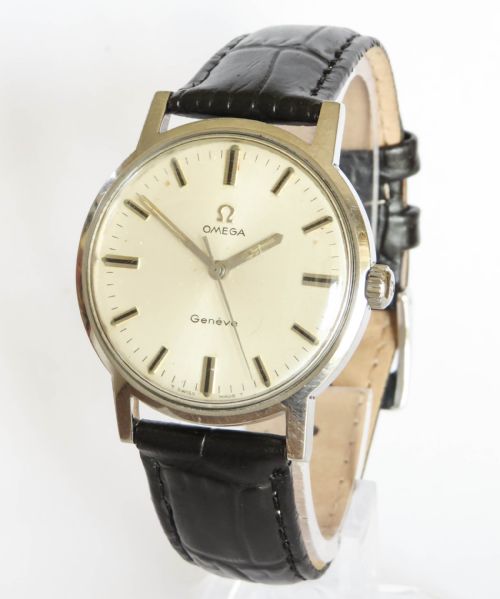
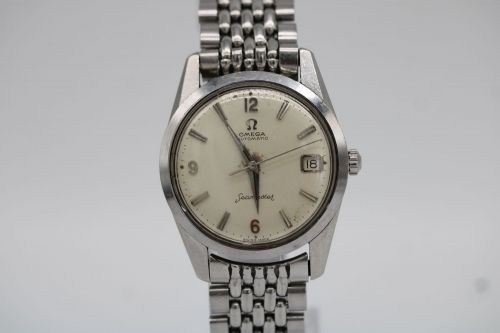
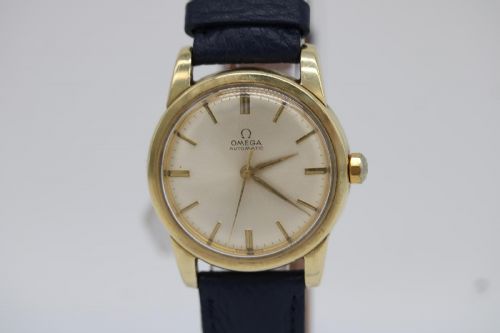
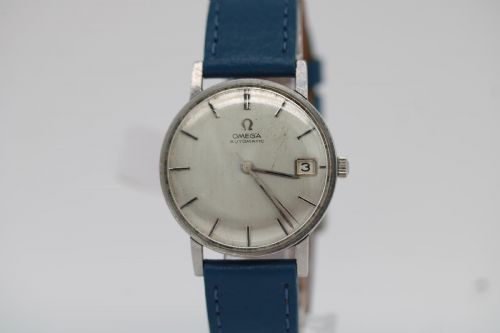
When you search for an antique luxury wrist watch, you encounter sophisticated timepieces spanning from the Art Deco period through the mid-century modern era. These items encompass both men's classic automatic wristwatches and ladies' diamond-set cocktail watches designed for formal wear.
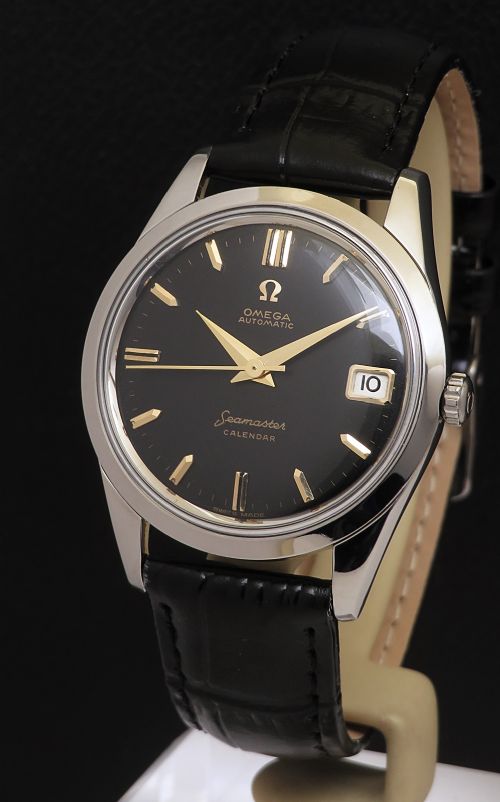
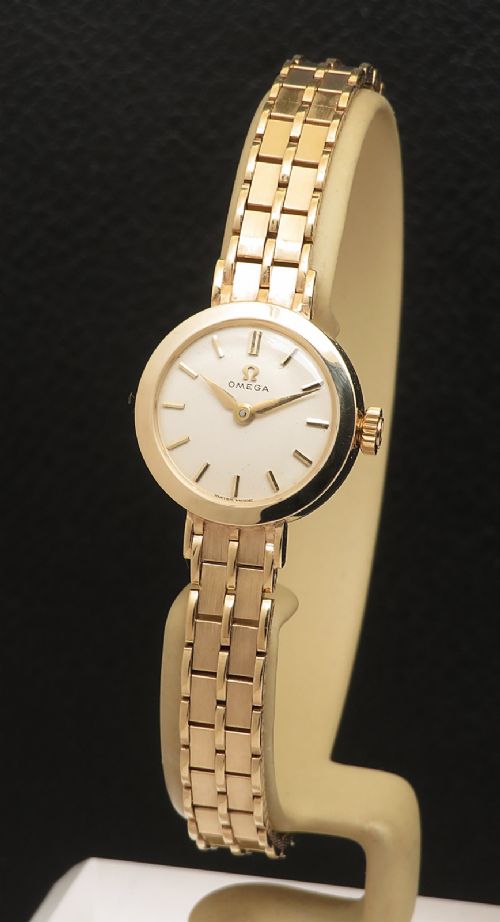
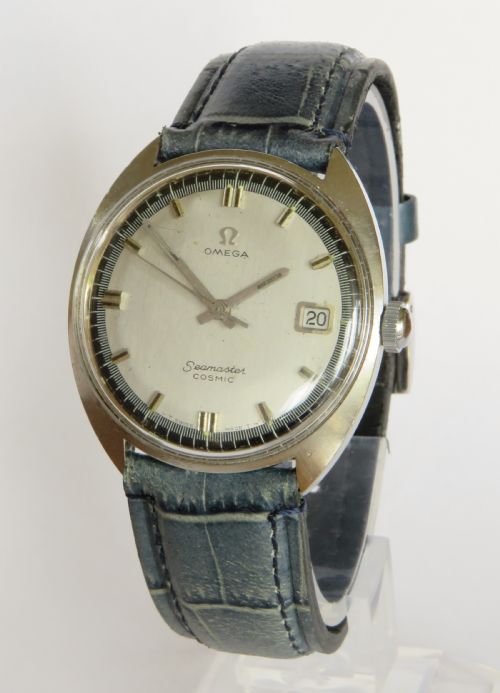
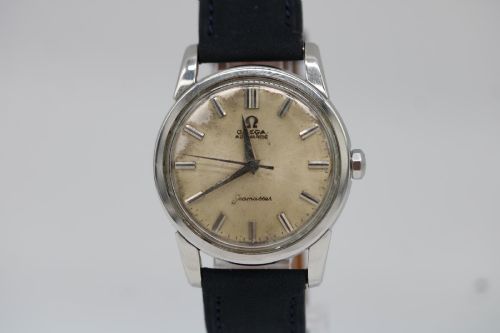
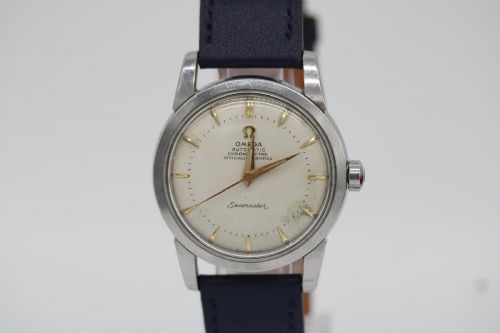
The pieces on this page are dominated by renowned Swiss houses and jewellers, presenting forms ranging from robust stainless steel Seamaster models to delicate platinum bracelet watches. Buyers frequently find robust 9ct gold or stainless steel automatic designs alongside precious cocktail pieces adorned with extensive diamond carats.
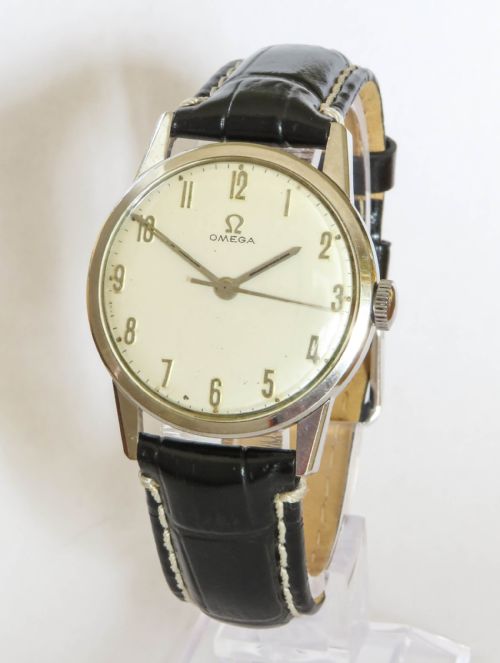
Originating predominantly across the mid-twentieth century, these watches reflect the mechanical advancements of their respective decades, from manual wind movements to reliable automatic calibres. Each specimen offers a tangible connection to historical horology, housed in precious metals or durable steel casings.
How They Were Made
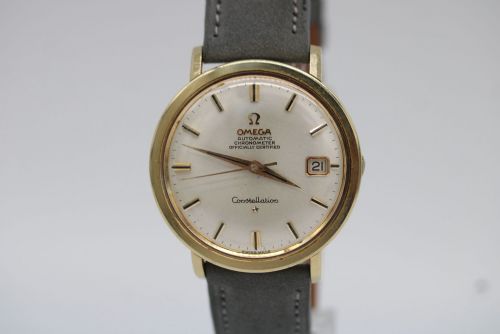
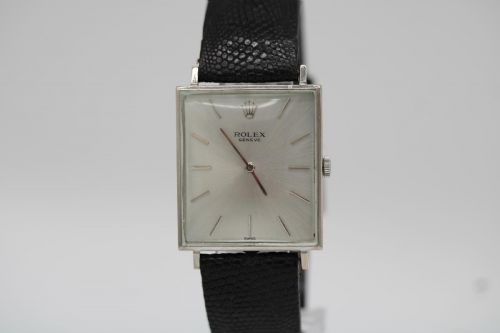
Manufacturers utilised precious materials including solid 9ct gold, 18ct white gold, and heavy platinum, often mounting genuine diamonds into the bezels and surrounds of ladies' cocktail pieces. Dials were protected by glass or acrylic crystals, paired with supple leather straps or integrated precious metal bracelets.
The mechanical interiors relied on intricate manual wind and automatic calibres, engineered by skilled horologists to ensure exact timekeeping. Casings were meticulously forged from stainless steel or cast in gold, housing delicate internal components designed for longevity and daily wear.
Certain mid-century dress watches still tick quietly after decades asleep in velvet-lined presentation boxes.
What Varies in Quality
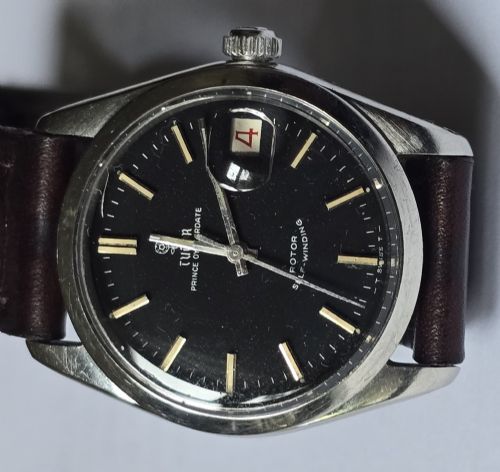
The upper tier of these timepieces is distinguished by the integration of significant diamond carat weights, heavy platinum or solid gold construction, and original maker signatures from esteemed firms like Asprey or Vertex. Superior examples often retain factory-original details such as patinated or champagne dials alongside fitted presentation boxes.
Quality variation also lies in the complexity and preservation of the movement, where signed calibres like the Omega 552 or 562 represent robust engineering standards. Simpler steel or lower carat gold models form the accessible end of the spectrum, while highly gem-set cocktail watches demonstrate exceptional jeweller craftsmanship.
Omega·Rolex Tudor·Asprey·Movado·Vertex·Tissot·Mundus·Longines
The Antique Luxury Wrist Watch Glossary
- Calibre
- The specific internal mechanical movement manufactured for a watch. This term designates the particular design and series created by the horologist.
- Cocktail Watch
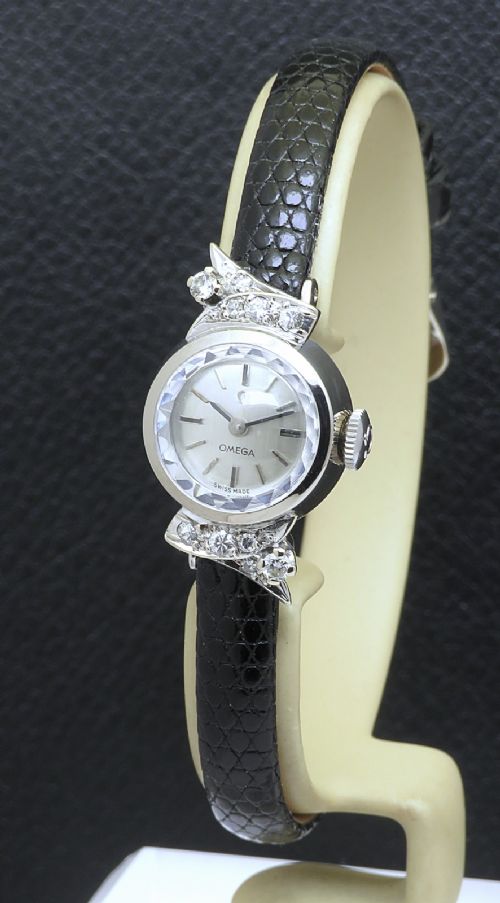
- A small ladies' dress watch heavily decorated with gemstones for evening wear. These pieces prioritise ornamental jeweller work alongside timekeeping.
- Manual Wind
- A mechanical movement requiring daily hand rotation of the crown to tension the mainspring. This traditional mechanism predates self-winding automatic systems.
- Automatic
- A self-winding mechanical movement that harnesses the natural motion of the wearer's wrist to power the mainspring. This system maintains constant tension without manual winding.
- Patinated Dial
- An aged watch face showing natural discoloration or textural changes developed over decades. Collectors often prize this authentic sign of historical weathering.
Antique Luxury Wrist Watch: Frequently Asked Questions
How do I wear a cocktail watch?
These diamond-set pieces function primarily as formal evening wear jewellery rather than daily timepieces. Their delicate platinum and white gold bracelets pair naturally with formal attire.
Because many rely on manual wind movements, owners typically wind them gently before an evening out. Treating the gemstone settings with care ensures the longevity of the precious metals.
Are these watches waterproof?
Vintage models lack modern rubber gaskets and contemporary screw-down sealing technology. Exposure to moisture can easily damage the delicate paper or metal dials inside.
Keep these timepieces away from water, heavy rain, and humidity to preserve the internal mechanical calibre. Professional servicing helps maintain what original resistance remains.
What is an automatic movement?
An automatic movement harnesses an internal weighted rotor that spins as the wearer moves their arm. This kinetic action automatically winds the mainspring throughout the day.
This technology provides convenience by eliminating the need for daily manual winding. It represents a significant mid-century advancement in horological engineering.
How do I date an antique watch?
Dating relies on mechanical serial numbers, movement calibres, stylistic cues, and hallmarked precious metal cases. Art Deco pieces display geometric motifs typical of the period.
Mid-century designs often feature cleaner typography and automatic movements housed in stainless steel or gold. Comparing movement numbers against manufacturer archives confirms the production era.