



Antique Lustre Lighting
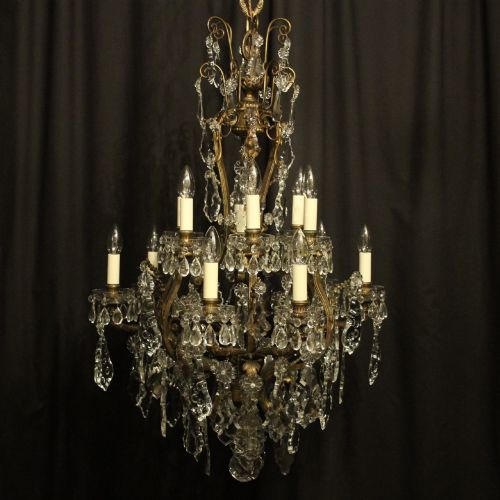
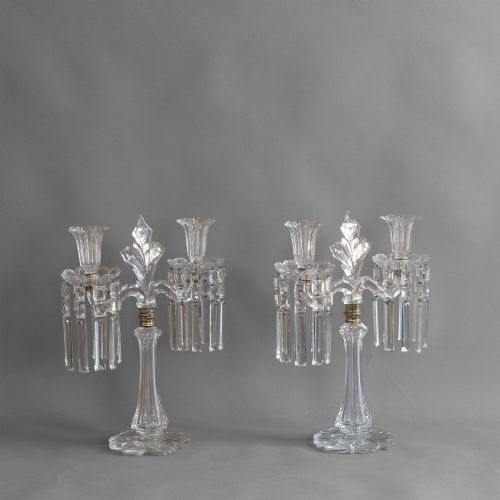
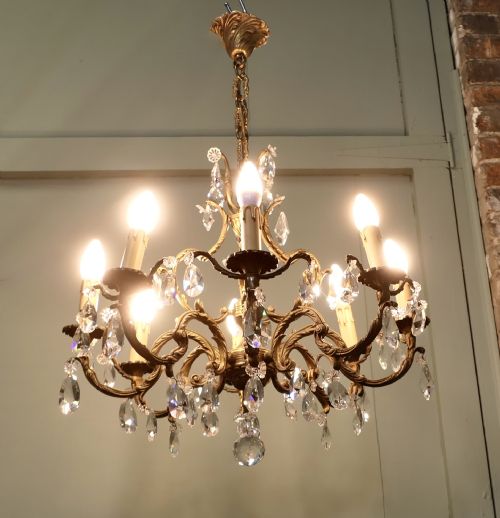
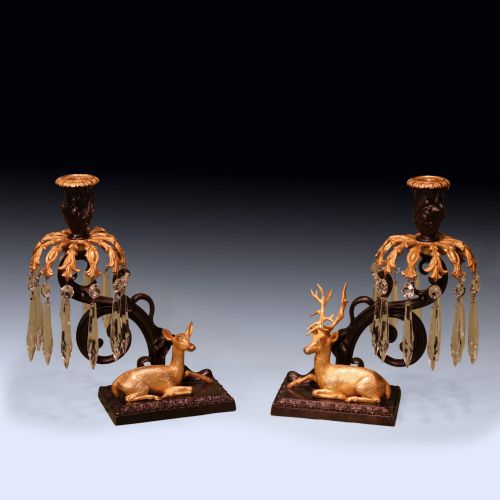
Antique lustre lighting brings together chandeliers, mantel lustres, and candelabras hung with cut glass drops that catch and refract candlelight and daylight.
Antique Lustre Lighting
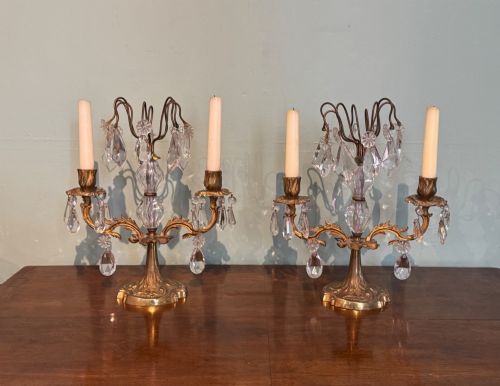
When someone searches for antique lustre lighting, they encounter a range of illuminated objects and decorative mantel ornaments that incorporate hanging glass or crystal pendants. The selection spans ceiling fixtures such as chandeliers and wall lights alongside mantel pieces, candlesticks, and candelabras designed to hold tapers.
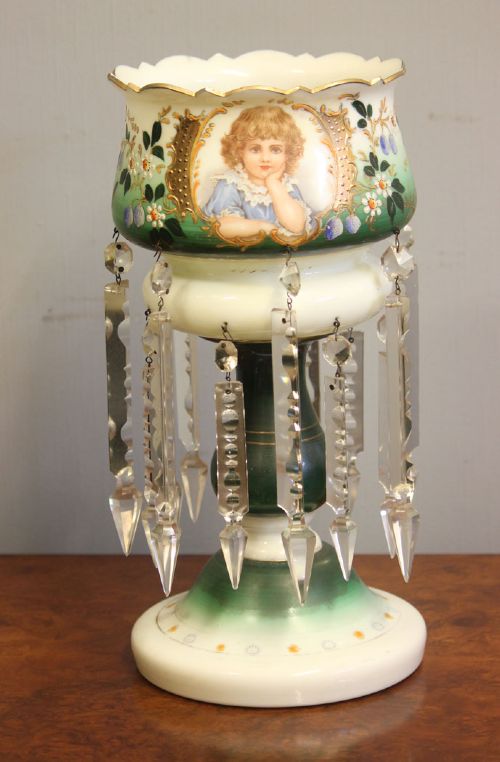
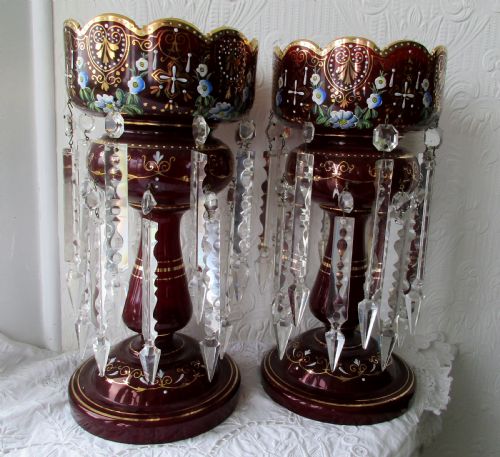
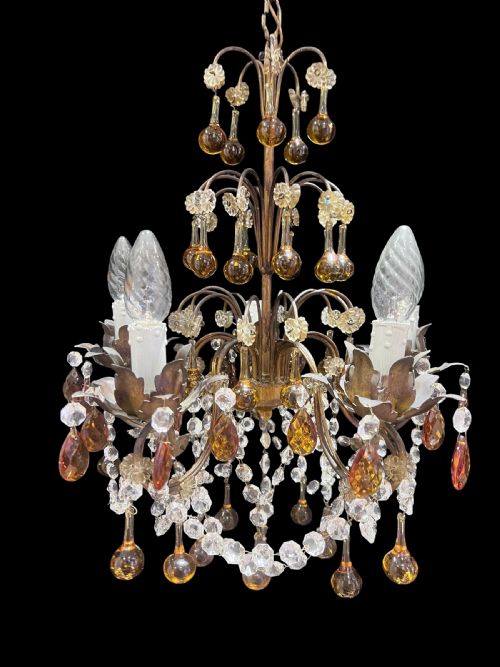
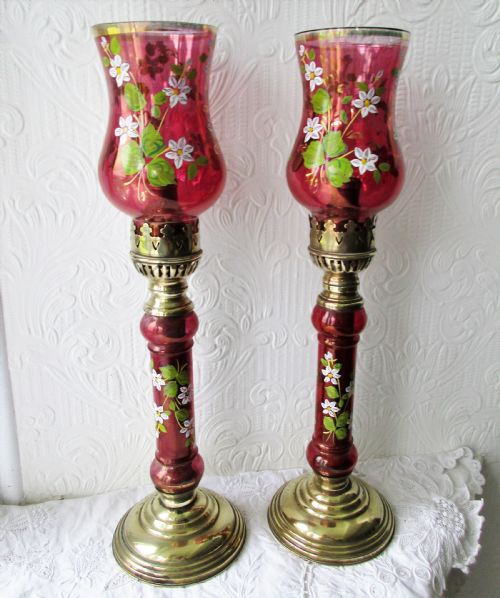
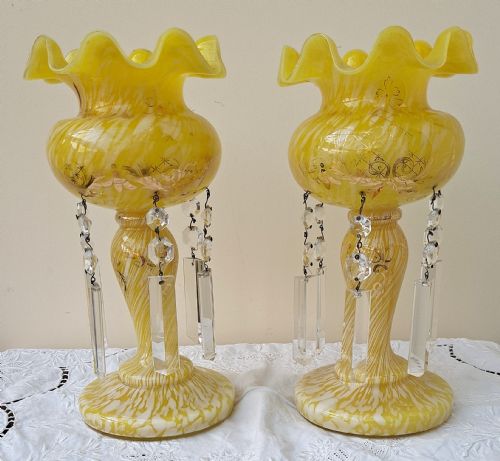
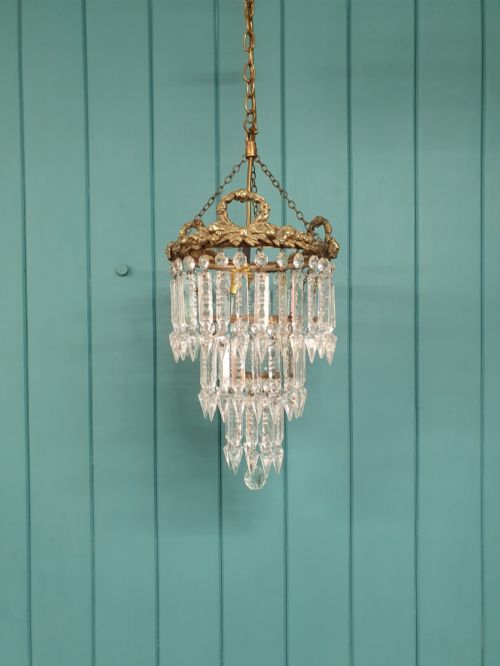
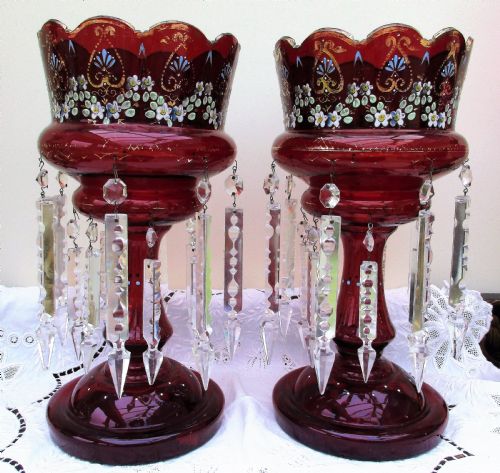
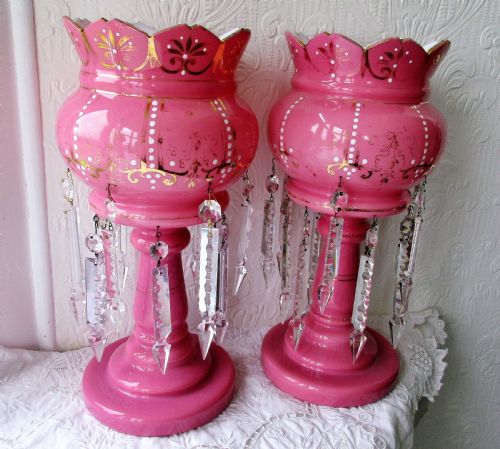
The objects originate across the nineteenth and early twentieth centuries, drawing on styles including Regency, Victorian, Edwardian, and French Rococo Revival. English Victorian table lustres in coloured glass appear frequently alongside French and Italian bronze or brass chandeliers hung with crystal drops.
Materials and construction methods
Maker workshops built these pieces using metal foundations of brass, bronze, gilt metal, or nickel plating, combined with blown and moulded glass components. Frames hold arms and nozzles designed to support candles or, in later adaptations, electric fittings.
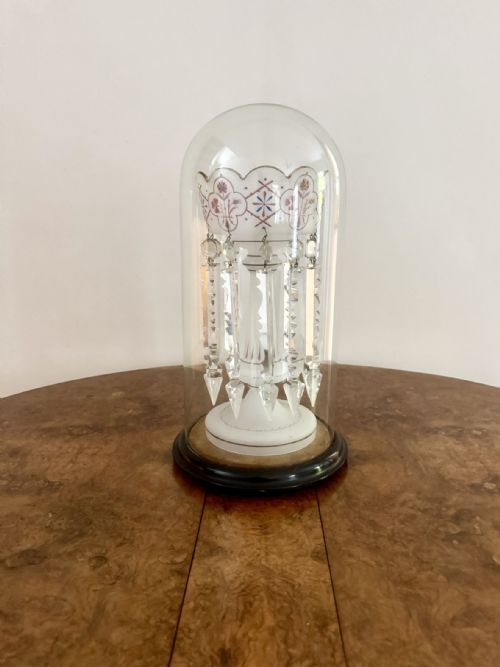
Hanging elements consist of cut glass and crystal pendants attached to the metal frames by wire or metal pins. Coloured glass varieties such as ruby glass, pink glass, yellow glass, and opaline glass utilise flash techniques or layered glass construction.
Antique Lustre Lighting Retail Price Guide 2026
Typical asking prices for lustre lighting among the pieces listed under this phrase on Sellingantiques today, from the lower quarter to the upper quarter. They describe what is for sale here now, not the wider market.
Several Victorian mantle lustres come paired with matching glass domes to keep the soot from flickering candle flames off the drawing room wallpaper.
Distinctions in quality
The standard of a piece rests upon the weight and clarity of the glass and the crispness of metal casting. Heavy, hand-cut crystal drops display sharper facets and deeper refraction than lightweight moulded pendants.
Proportion and decorative detail dictate the upper tier of the range, seen in elaborate bronze or gilded mounts, paired matching sets with complete original prismatic drops, and carefully layered flash glass colours.
Wedgwood
The Antique Lustre Lighting Glossary
- Lustre
- A decorative mantel ornament or candle holder hung with cut glass pendants designed to refract light.
- Chandelier
- A branched ceiling fixture suspended to hold multiple lights and embellished with crystal drops.
- Flash glass
- Glass formed of two or more distinct layers of different colours, where the outer layer is partially cut away to reveal the contrasting colour beneath.
- Candelabra
- A branched candlestick holder designed for multiple tapers, often fitted with hanging crystal prisms.
- Opaline glass
- An opaque, pale glass resembling porcelain that was popular for Victorian and French decorative items.
Antique Lustre Lighting: Frequently Asked Questions
What is an antique mantel lustre?
A mantel lustre is a decorative glass or porcelain vase-shaped object fitted with a ring of hanging crystal prisms around the rim, traditionally placed on a fireplace mantelpiece.
While they could hold candles, many served primarily as decorative ornaments designed to catch the light of the room.
How do I date an antique chandelier?
Dating relies on examining the metal composition, casting quality, wiring methods, and the cut of the crystal drops. Earlier nineteenth-century pieces often feature hand-cut crystal and heavy bronze frames, while Edwardian examples introduce nickel plating.
Stylistic cues such as French Rococo Revival curves or Regency symmetry also point to specific decades of manufacture.
Are lustre drops made of glass or crystal?
Lustre drops can be either glass or lead crystal, depending on the piece and its period of origin. Crystal contains lead oxide, which increases its weight, clarity, and prism-like light refraction.
Plain glass drops appear frequently in standard Victorian and Edwardian productions.
How should I clean antique glass lustres?
Cleaning requires removing the hanging drops individually and washing them in warm, soapy water with a soft cloth. Harsh chemical cleaners can damage gilt surfaces and delicate metal pins.
Metal frames should be dusted gently without using abrasive polishes that strip original patination or gilding.