



Antique Lustre Light
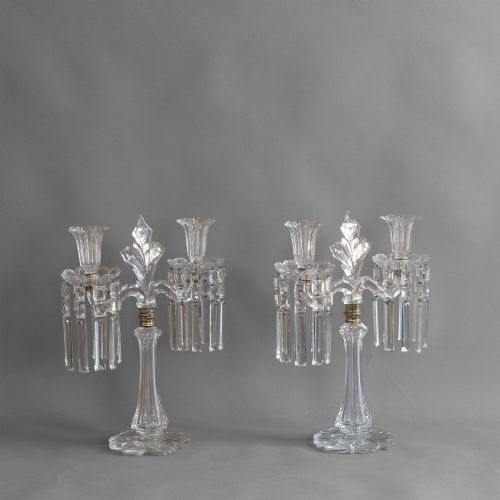
An antique lustre light brings the refractive sparkle of cut glass and coloured crystal directly into a room.
Antique Lustre Light
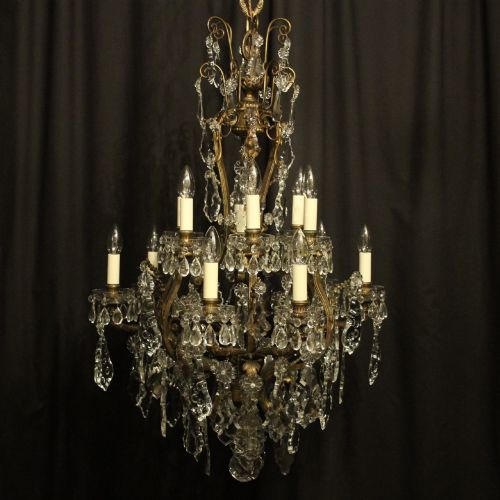
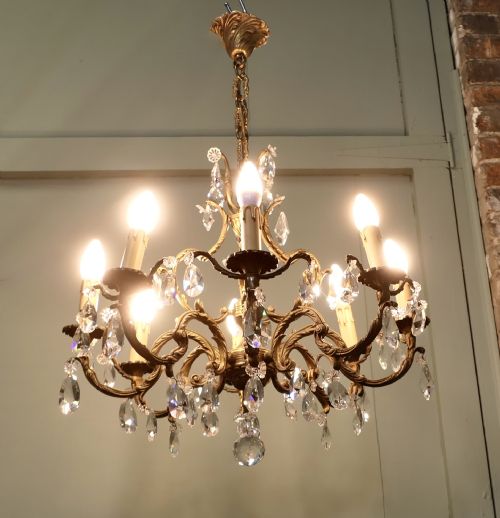
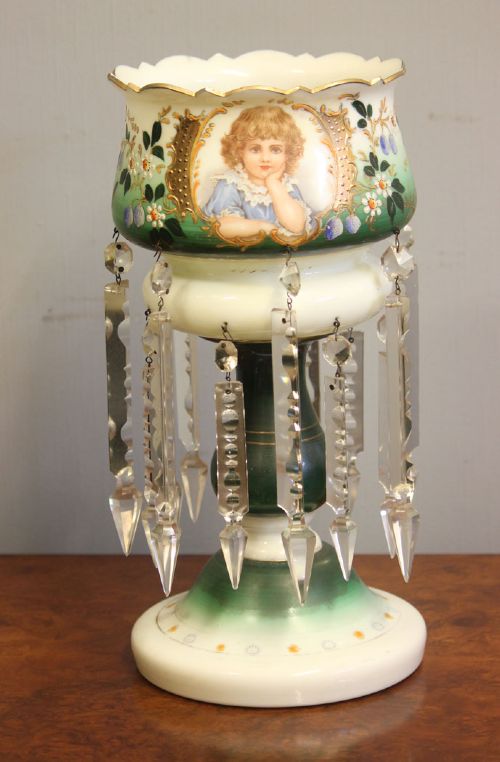
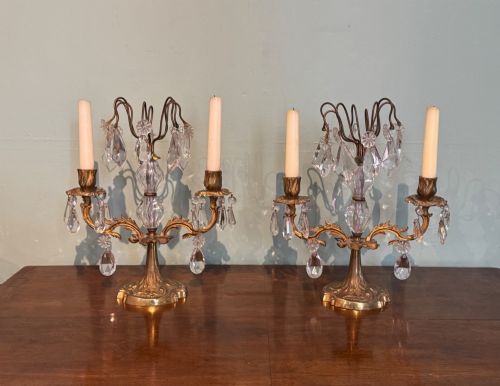
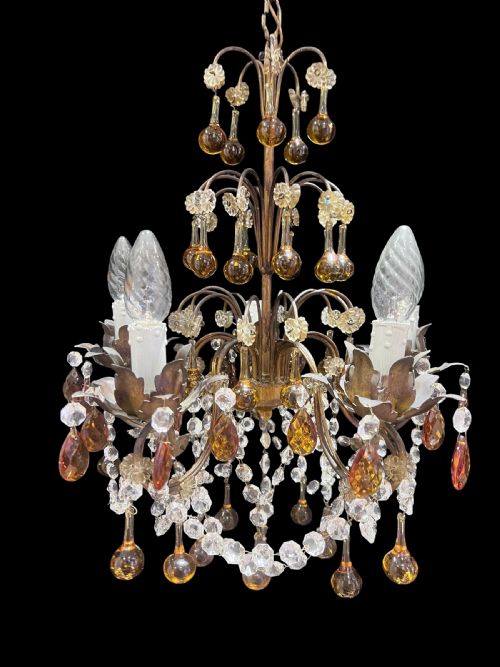
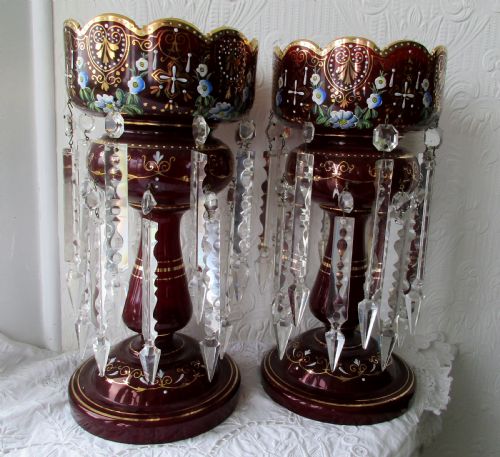
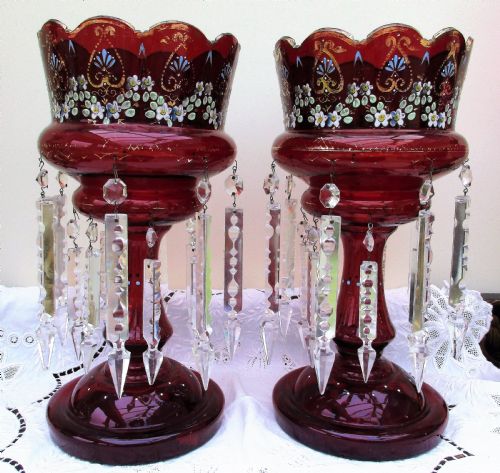
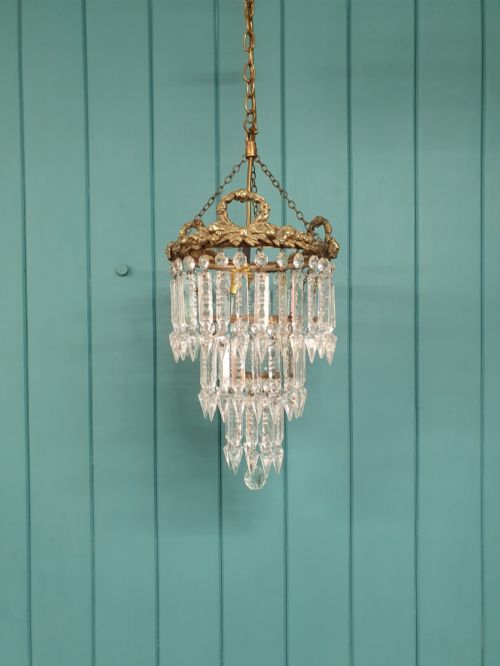
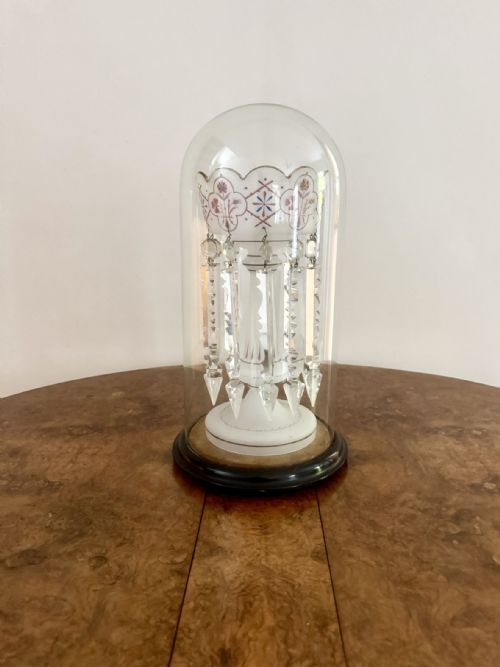
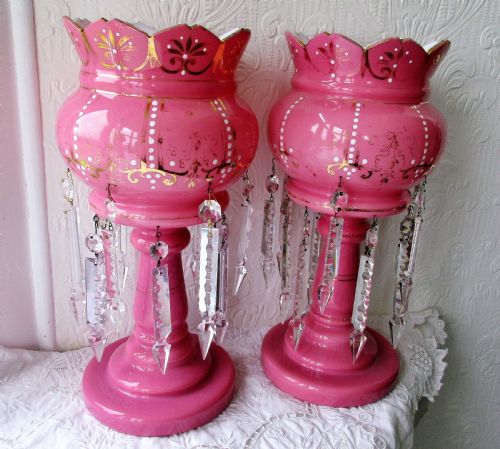
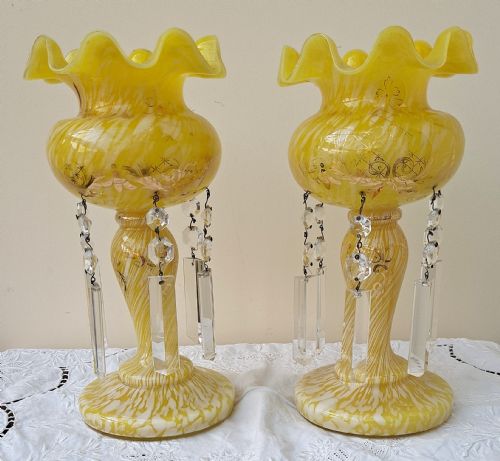
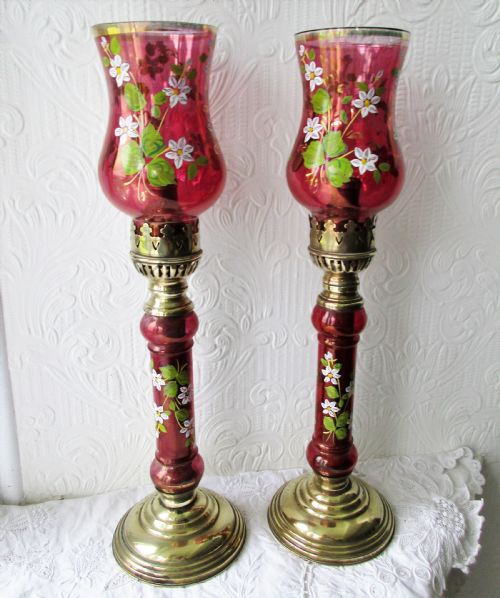
The most common forms on this page include Victorian ruby and pink glass mantel lustres, alongside early twentieth-century glass and crystal chandeliers. You will also encounter specialised pieces featuring brass, ormolu, and even ceramic elements like opaline and Bohemian flash glass.
Dating primarily from the nineteenth and early twentieth centuries, these objects encompass styles from Regency and Edwardian to French Rococo Revival and Italian antique designs. Whether configured as wall lights, candelabras, or ceiling pendants, their defining characteristic remains the pendant crystal drop or prism.
Materials and construction methods
The foundation of these pieces relies heavily on cast metals such as brass, bronze, ormolu, and nickel plating to form sturdy frames and candle arms. Glassmaking techniques span from mould-blown and flash-coated coloured glass to precise hand-cutting of crystal drops and prisms.
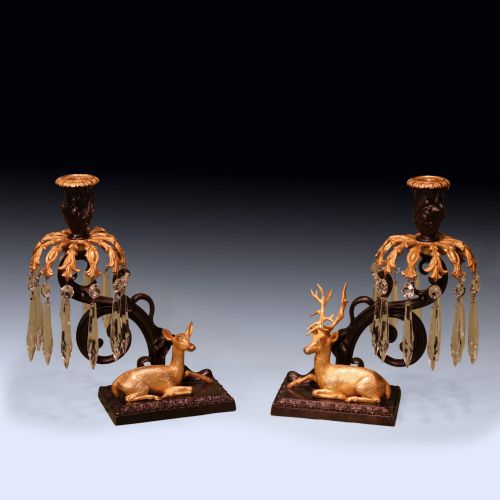
Makers integrated these elements using wire pins and metal loops to suspend glass pendants from arms and sconces, allowing the drops to move and catch the light freely. Additional decorative details include applied enamel, gold leaf accents, and intricate cast motifs such as cherubs or stags.
Antique Lustre Light Retail Price Guide 2026
Typical asking prices for lustre light among the pieces listed under this phrase on Sellingantiques today, from the lower quarter to the upper quarter. They describe what is for sale here now, not the wider market.
Listings span the nineteenth and early twentieth centuries, featuring materials from ruby glass and brass to gilded bronze and cut crystal.
Distinguishing quality in lustre work
The distinction between standard and superior pieces rests largely on the clarity and depth of the glass or crystal. Hand-cut drops with crisp, sharp facets refract light with far greater brilliance than simple moulded glass.
Metalwork execution similarly separates the better examples, where chased or gilded bronze frames and finely detailed cast mounts demonstrate superior craftsmanship compared to basic stamped brass fittings.
Wedgwood
The Antique Lustre Light Glossary
- Lustre
- A decorative tabletop vase or garniture fitted with hanging glass pendants, designed to reflect light from candles or lamps.
- Crystal drop
- A piece of cut glass suspended from a chandelier or lustre to refract light around the room. These pendants take various shapes from simple tears to complex prisms.
- Bohemian flash glass
- Layered glass where a thin coating of coloured glass, often ruby, is applied over clear glass before being cut through to reveal the contrasting layer underneath.
- Ormolu
- Finely ground high-carat gold applied to a bronze base using a mercury amalgamation process, creating a rich golden surface found on many French frames.
Antique Lustre Light: Frequently Asked Questions
How were antique lustres originally used?
These pieces sat upon mantelpieces, tables, or hung from ceilings to multiply the illumination of candles and early gas or electric lamps.
The suspended crystal pendants captured the flickering flame, throwing colourful points of light across the walls of a Victorian or Edwardian interior.
Are these lights wired for modern electricity?
Many hanging chandeliers and wall lights have been adapted for modern electrical supplies over time.
Tabletop lustres and candelabras generally remain purely decorative or hold traditional candles, though some setups integrate modern bulb fittings.
How do I tell Victorian glass from later pieces?
Victorian examples often feature deep-hued ruby, pink, or yellow glass with hand-painted enamel details and heavy brass or bronze bases.
Edwardian and later twentieth-century iterations tend towards clearer crystal drops, nickel-plated frames, and lighter overall proportions.
What is Bohemian flash glass?
Bohemian flash glass involves fusing a vibrant layer of coloured glass over a clear glass body.
Craftsmen then cut through the outer coloured layer in geometric or floral patterns, creating a striking contrast that defines many nineteenth-century pieces.