



Antique Lounger
An antique lounger offers a place to recline in style, spanning periods from Regency daybeds to Victorian chaises and early twentieth-century steamer chairs.
Antique Lounger
An antique lounger encompasses a diverse group of reclining forms, daybeds, and chaise longues designed for extended rest. Buyers seeking an antique lounger encounter nineteenth-century chaises, campaign daybeds, and early twentieth-century deck chairs.
The selections span distinct historical eras, including Regency mahogany models, Victorian rosewood and mahogany chaises, and Edwardian or early twentieth-century wicker and teak garden furniture.
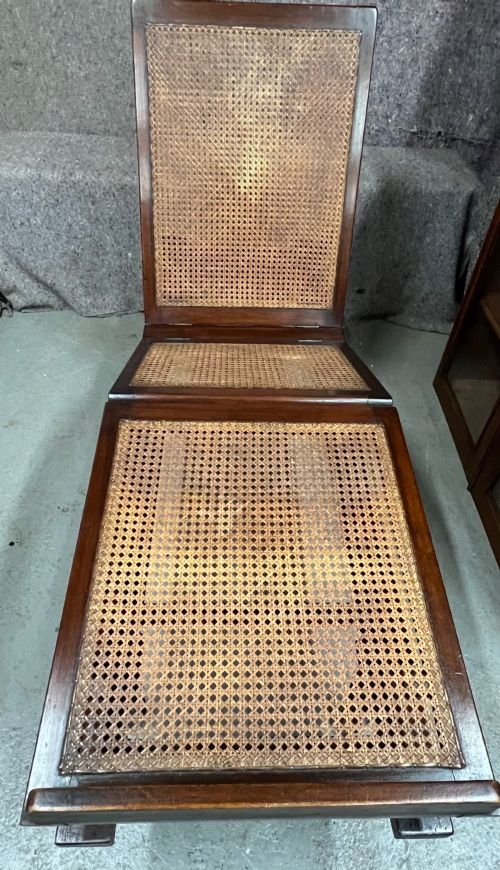
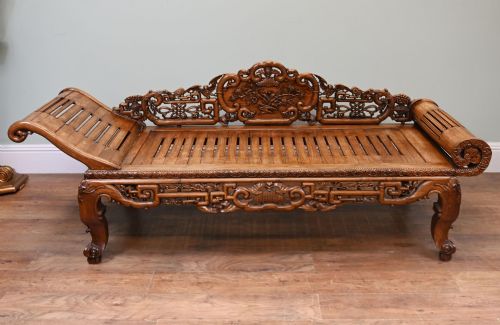
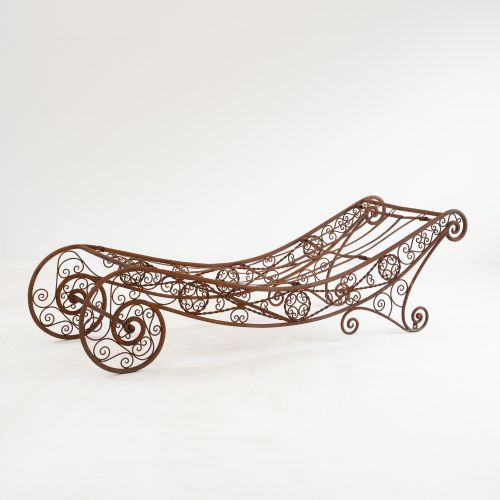
Object variations range from French wrought iron garden daybeds and Chinese hardwood opium beds to colonial plantation chairs and folding walnut steamer deck chairs.
How they were made
Timbers such as mahogany, rosewood, walnut, teak, and hardwood form the structural frames of these pieces, often complemented by brass fittings on campaign pieces and wrought iron in garden settings.
Upholstery relies upon leather, fabric, and velvet, whilst supportive surfaces utilise cane, wicker, and rattan weaving techniques across varying global traditions.
Antique Lounger Retail Price Guide 2026
Typical asking prices for lounger among the pieces listed under this phrase on Sellingantiques today, from the lower quarter to the upper quarter. They describe what is for sale here now, not the wider market.
Listings feature diverse materials including brass, cane, mahogany, rosewood, leather, hardwood, fabric, and velvet across multiple centuries.
What varies in quality
The caliber of woodwork defines the upper tier, seen in deeply carved mahogany frames, figured rosewood veneers, and dense hardwoods shaped by skilled hands. Structural integrity in folding mechanisms and joinery separates robust daybeds from ordinary examples.
Material selection dictates longevity, where original leather hides, tight cane work, and heavy cast brass hardware distinguish finer workshops from simpler domestic productions.
Howard and Sons·Angraves of Leicester·Robert Daws
The Antique Lounger Glossary
- Chaise Longue
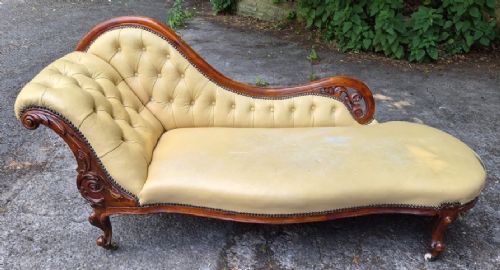
- An upholstered chair uzun enough to support the legs, combining the functions of a chair and a daybed. These pieces feature an asymmetric backrest for reclining.
- Campaign Day Bed
- A portable or collapsible daybed designed for travel and military use. They often incorporate folding frames and brass hardware.
- Planters Chair
- A characteristic colonial armchair featuring extended, lowered arms designed for resting legs. They originate from regions such as British India.
- Steamer Deck Chair
- A folding wooden chair with an adjustable back and leg rest. These were originally utilised on ocean liners and verandas.
- Opium Bench
- A low hardwood sleeping or resting platform originating from China. They frequently showcase intricate carved details.
Antique Lounger: Frequently Asked Questions
How do I identify a Victorian chaise longue?
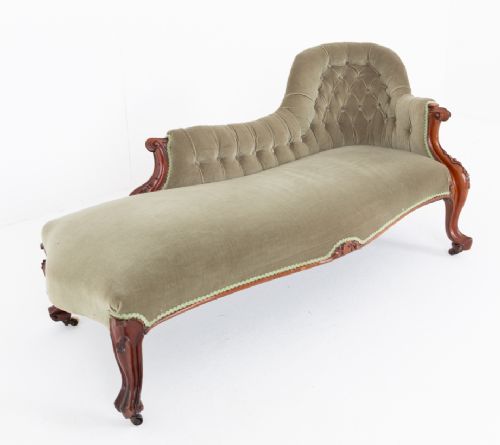
Victorian chaise longues typically feature rich timber frames in rosewood or mahogany with distinct carved ornamentation. They are upholstered in materials like leather, velvet, or fabric and possess a single raised headrest end.
Examine the frame construction and timber grain to determine the nineteenth-century origin. These pieces were built for formal parlours and domestic lounges.
What is a plantation chair?
A plantation chair is a colonial seating form featuring characteristic long, pivoting arms designed to support stretched legs. They are constructed from hardwoods like teak and rosewood.
These chairs provided ventilation and comfort in warm climates. Their distinct proportions set them apart from standard domestic armchairs.
How are steamer deck chairs constructed?
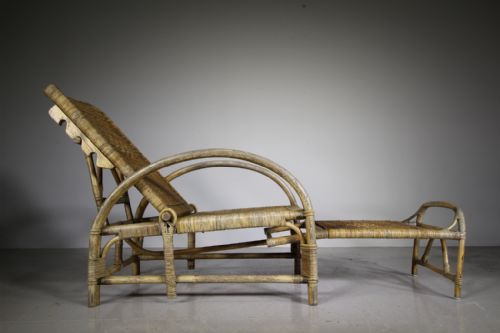
Steamer deck chairs utilise folding wooden frames, often in walnut or teak, allowing them to collapse flat for storage and transport. They incorporate adjustable slats and extensible footrests.
Originally designed for maritime travel, these chairs are lightweight yet sturdy. Their folding mechanisms define their practical utility.
Where were campaign day beds used?
Campaign day beds were utilised by military officers and travellers who required portable furniture during expeditions. Their design prioritises modular assembly and sturdy brass mounts.
These pieces combine functional portability with refined timber frames. They transition easily between indoor living spaces and sheltered outdoor areas.