


Antique Logging Bucket
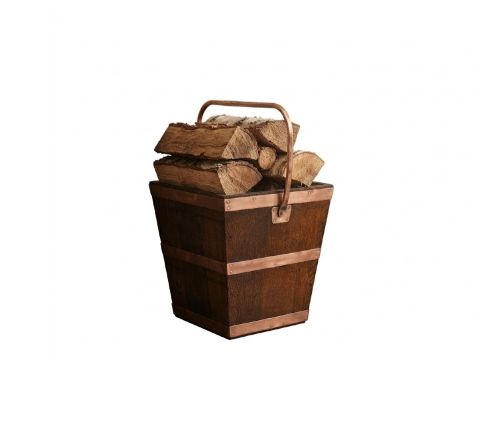
An antique logging bucket brings functional metalwork and timber to the hearth, serving as a sturdy vessel for firewood.
Antique Logging Bucket
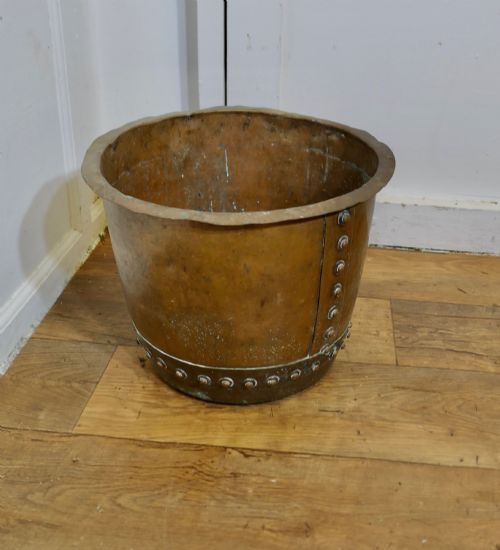
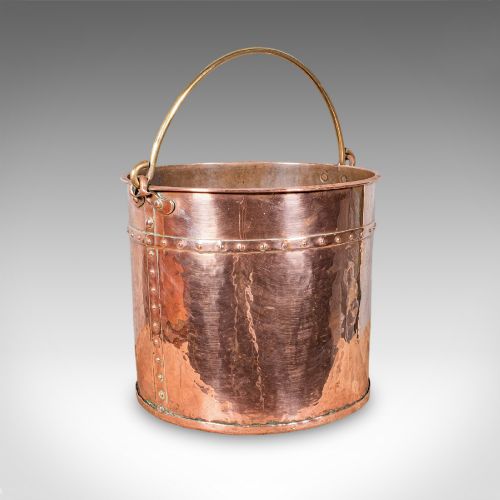
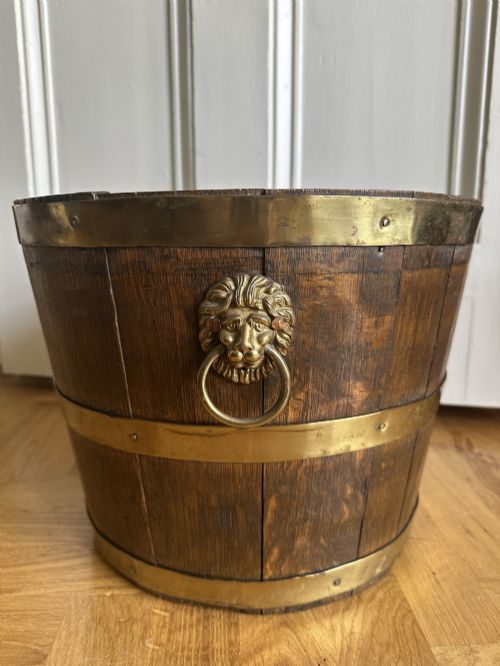
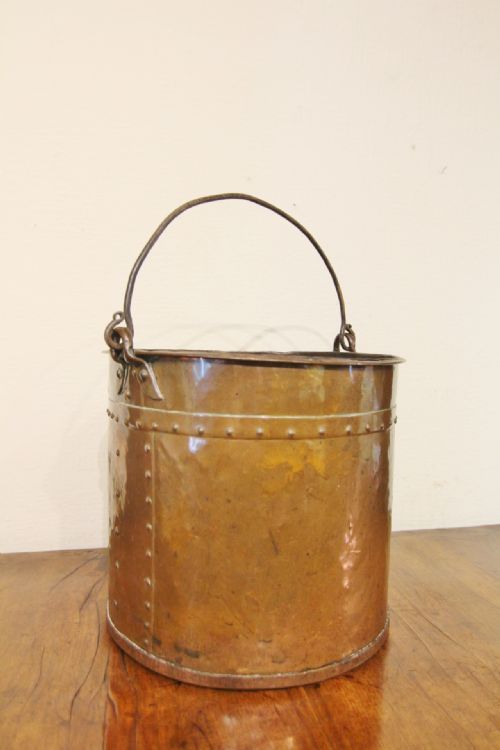
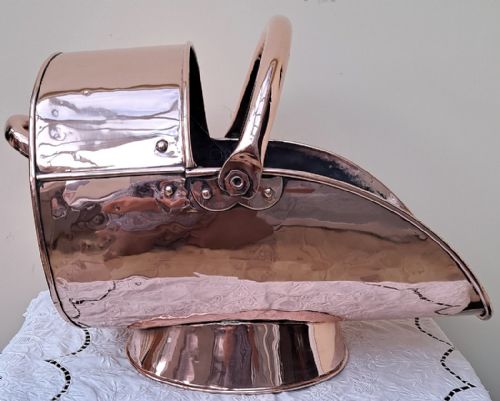
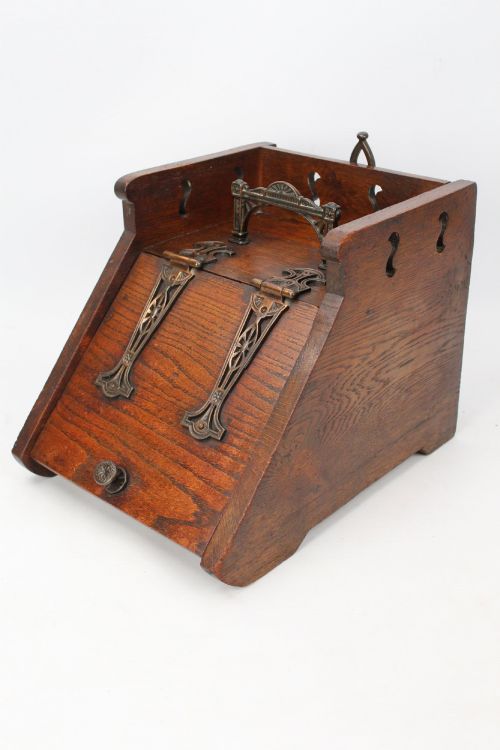
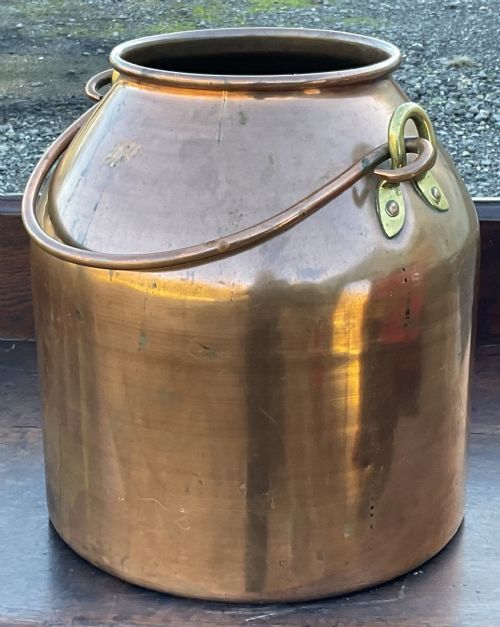
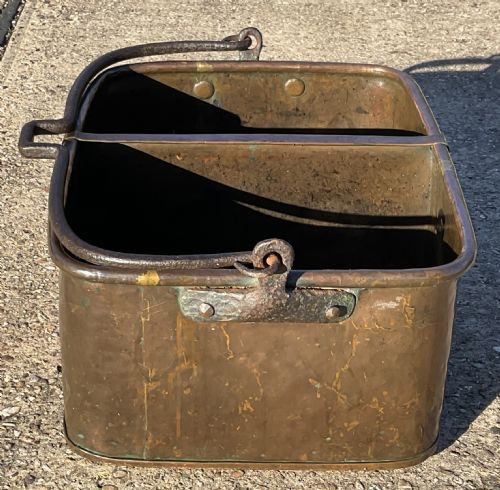
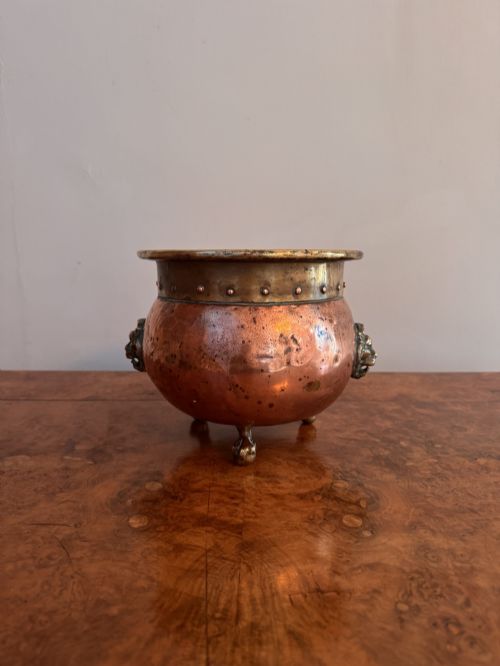
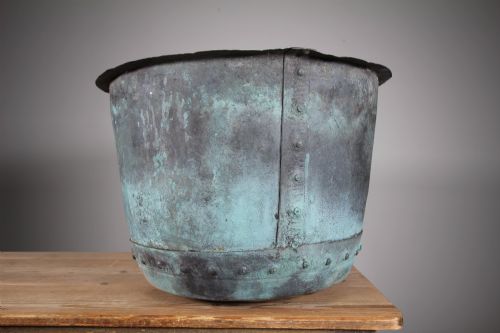
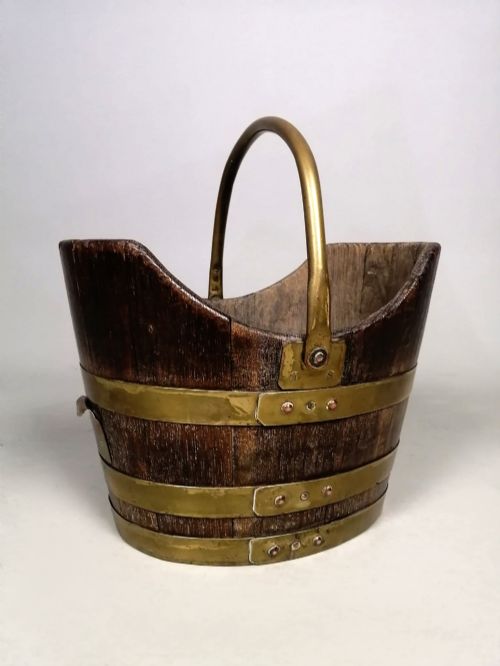
An antique logging bucket is a heavy-duty receptacle designed to hold fuel near an open fire, appearing on this page in forms ranging from riveted copper vessels to oak and mahogany bins. Buyers searching for an antique logging bucket encounter utilitarian items that often double as coal scuttles, planters, or umbrella stands depending on their depth and finish.
The pieces on this page span the eighteenth, nineteenth, and early twentieth centuries, encompassing Georgian, Victorian, and Edwardian periods alongside Arts and Crafts designs. Most examples rely on durable metal and timber construction built to withstand heavy daily use beside the hearth.
How they were made
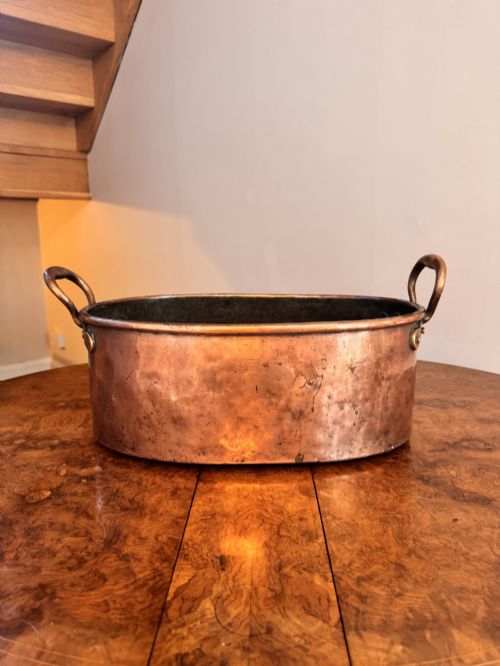
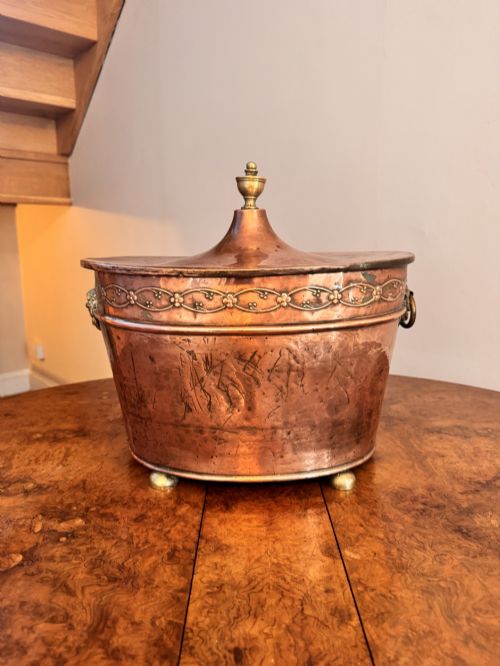
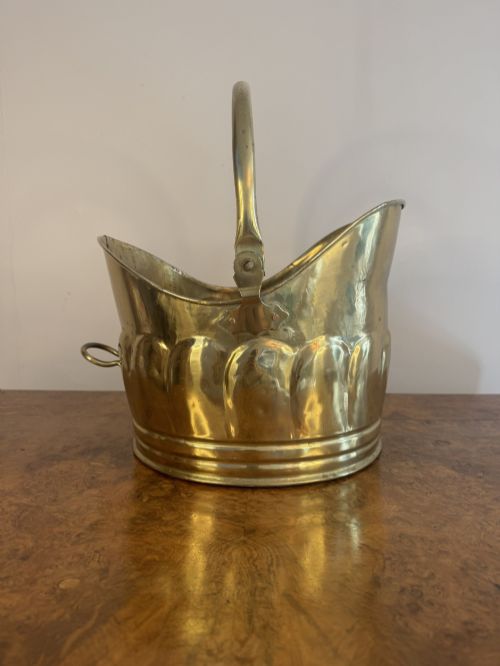
Maker construction relies heavily on combinations of copper, brass, iron, and solid woods such as oak and mahogany, shaped with riveted seams, wrought iron handles, and brass banding. Metal vessels feature beaten, hammered, or embossed surfaces, while wooden versions utilise coopered staves or panelled boxes.
Makers integrated structural hardware including swing handles, iron feet, and studded leather bodies, balancing weight capacity with decorative surface detail such as crests and fretwork.
Antique Logging Bucket Retail Price Guide 2026
Typical asking prices for logging bucket among the pieces listed under this phrase on Sellingantiques today, from the lower quarter to the upper quarter. They describe what is for sale here now, not the wider market.
Listings feature copper, brass, iron, oak, mahogany, and leather across Georgian, Victorian, Edwardian, and Arts and Crafts styles.
What varies in quality
Quality rests on the weight of the metal gauge, the integrity of the riveted or banded joints, and the crispness of any embossed or hammered decoration on the body. Superior examples maintain their original swing handles, liners, and structural mounts without replacement parts.
The selection of timber, the neatness of dovetail or stave joints, and the preservation of original surface patination distinguish finer domestic pieces from purely utilitarian workshop containers.
Henry Loveridge·Richard Arkwright Masson Mills
The Antique Logging Bucket Glossary
- Coal scuttle
- A container specifically designed for holding and carrying coal to a fireplace, often featuring a shovel and a tilted opening.
- Jardiniere
- An ornamental pot or stand for holding plants or flowers, frequently repurposed from metal buckets and bins.
- Peat bucket
- A traditional vessel used for storing dry peat sods for fuel, commonly constructed from banded oak or mahogany.
- Ferrat
- A regional term for specific types of heavy agricultural or grain measures adapted into metal vessels.
- Schuitje
- A boat-shaped container style utilised for peat buckets and tea stoves during the eighteenth and nineteenth centuries.
Antique Logging Bucket: Frequently Asked Questions
What is an antique logging bucket used for?
These vessels were originally manufactured to store and carry logs, coal, or peat fuel directly to the fireplace for daily domestic heating.
Today, buyers frequently utilise them beside modern hearths or repurpose them as planters, umbrella stands, and waste bins.
How do I identify a Georgian piece?
Georgian pieces typically display characteristic eighteenth-century construction methods, including heavy brass banding, hand-beaten copper, and studded leather bodies.
They often present simpler, utilitarian lines compared to the more heavily embossed and decorative Victorian or Edwardian equivalents.
Are these buckets waterproof?
Metal examples constructed from riveted copper or brass generally hold water, which explains their frequent alternate use as planters and jardiniere vessels.
Wooden versions featuring staves or leather bodies may lack a watertight seal unless fitted with a contemporary or period metal liner.
How do I clean metal buckets?
Copper and brass surfaces respond well to gentle dusting and occasional cleaning with appropriate metal care products to maintain their finish.
Many collectors prefer to preserve the darker, aged patination accumulated over centuries rather than polishing the metal to a bright shine.