



Antique Loetz Vase
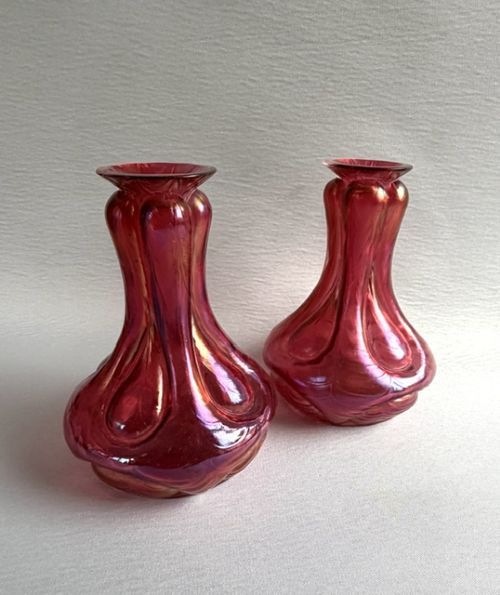
An antique loetz vase brings organic iridescence and sinuous glasswork into a room, capturing the absolute peak of continental art glass design.
Antique Loetz Vase
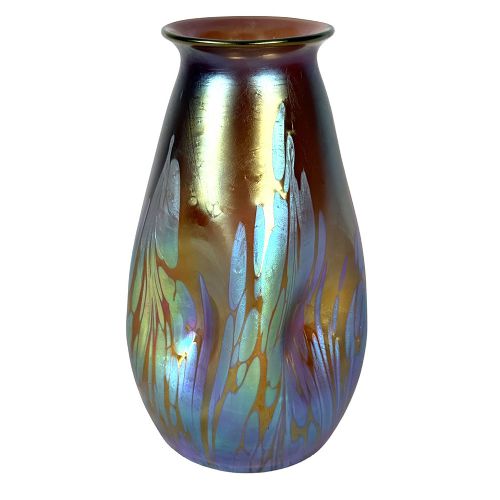
When you search for an antique loetz vase, you encounter iconic art glass from Bohemia, predominantly dating from the early twentieth century and the nineteenth century. These vessels embody the flowing, naturalistic spirit of Art Nouveau, Vienna Secession, and Jugendstil aesthetics.
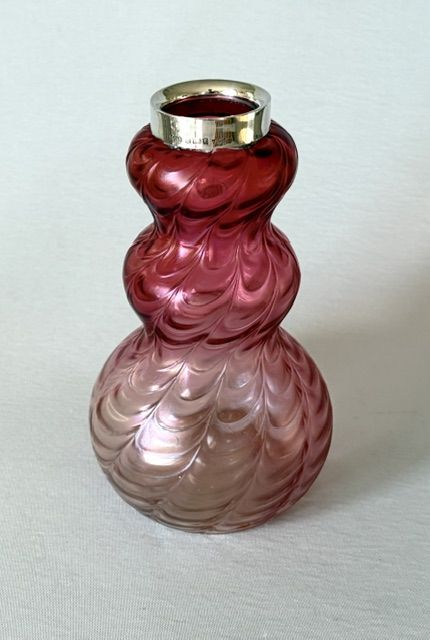
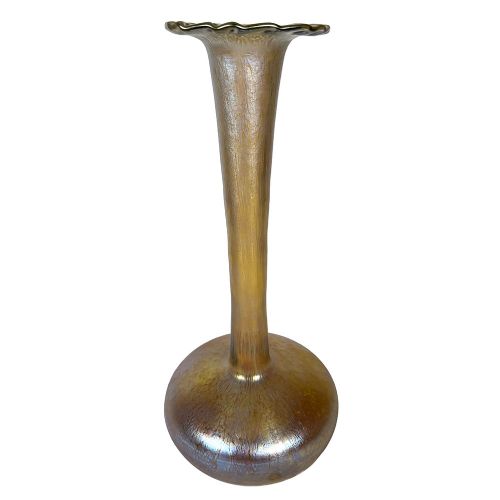
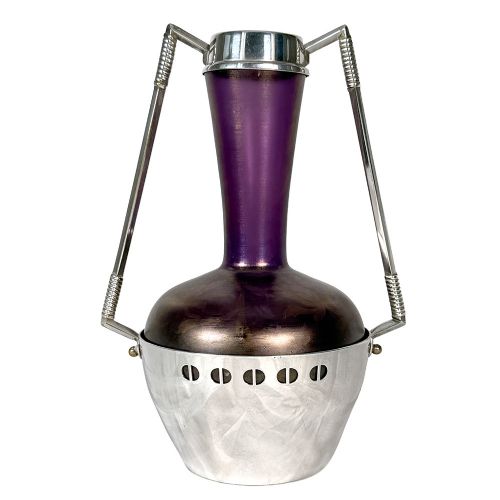
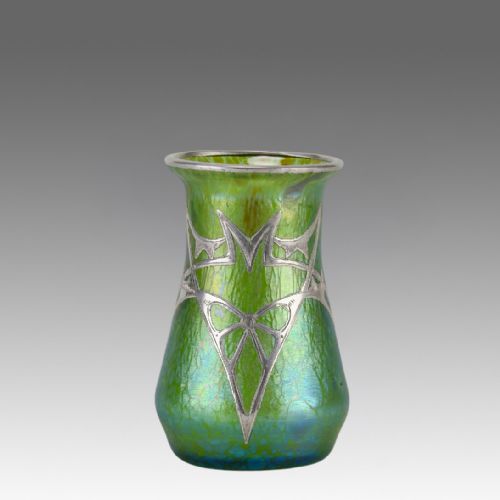
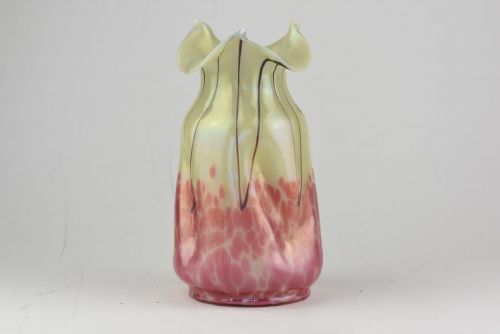
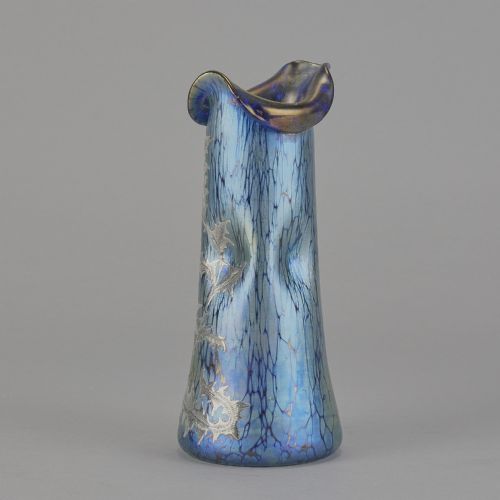
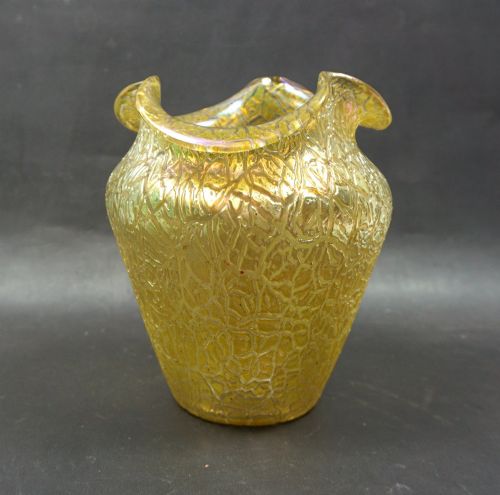
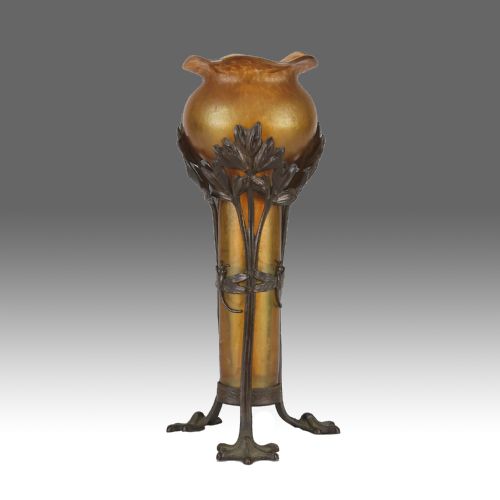
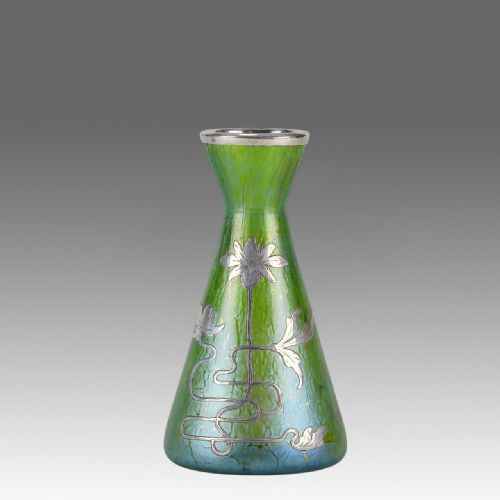
The pieces on this page span several distinct forms and decors, including blown glass, hand-blown glass, and mountings in sterling silver, silver overlay, and bronze. You will find characteristic finishes such as the Papillon pattern, Candia Mimosa, and Phänomen decors that define the maker's output.
While the majority of examples originate from Austrian and Bohemian workshops around nineteen hundred, related makers such as Kralik and Pallme Konig occasionally appear alongside Loetz Witwe and Johann Loetz productions.
How they were made
The makers utilised blown glass and hand-blown glass techniques, often working molten metal oxides onto the hot surface to achieve signature iridescent sheens. Chemical treatments during blowing produced shimmering optical effects that shift in changing light.
Many of these vessels received additional embellishment through applied silver overlay, sterling silver mounts, or bronze frames supplied by metalwork firms. These metal additions were meticulously fitted to the organic contours of the glass bodies.
Antique Loetz Vase Retail Price Guide 2026
Typical asking prices for loetz vase among the pieces listed under this phrase on Sellingantiques today, from the lower quarter to the upper quarter. They describe what is for sale here now, not the wider market.
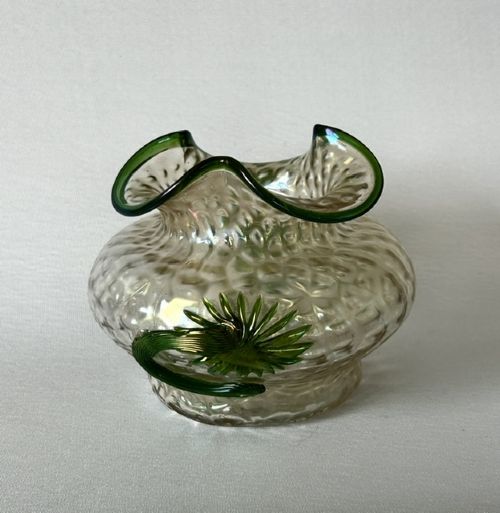
Some vessels feature whimsical applied glass snakes or take the improbable form of a Jack in the Pulpit flower.
What varies in quality
Quality in these glassworks rests on the complexity of the internal decoration and the depth of the iridescent finish. Finer examples display a vibrant, multi-layered play of colour across the surface rather than a flat metallic sheen.
The sophistication of any accompanying metalwork also dictates value, particularly where hallmarked sterling silver mounts or detailed bronze stands integrate seamlessly with the blown vessel. The harmony between glass form and metal mount determines the standing of the piece.
Loetz Witwe·Johann Loetz·Pallme Konig·Kralik·J Reinemann
The Antique Loetz Vase Glossary
- Iridescent Glass
- Glass treated with metallic salts while hot to create a rainbow-like sheen on the surface. This optical effect is central to the appeal of turn-of-the-century art glass.
- Papillon Décor
- A speckled, iridescent surface pattern resembling butterfly wings. It is one of the most recognisable finishes applied to Bohemian glass.
- Phänomen
- A complex trailed glass technique involving combed metallic threads fused into the surface during blowing. These threads create distinctive wave-like patterns.
- Secessionist
- A stylistic movement rejecting historicism in favour of geometric clarity and modernist forms. It heavily influenced Viennese decorative arts.
- Silver Overlay
- Metal decoration applied directly to the glass body in intricate floral or abstract patterns. The metal fuses permanently to the vessel during the finishing process.
Antique Loetz Vase: Frequently Asked Questions
How do I identify a loetz vase?
Look for characteristic iridescent finishes, organic vessel shapes, and specific surface decors such as Papillon or Phänomen. Many pieces also bear traces of original silver or bronze mounts from the period.
Context helps determine origin, as Bohemian glasshouses shared stylistic traits during the height of the Art Nouveau movement.
What periods do these vases come from?
The pieces predominantly date from around nineteen hundred, encompassing the turn of the twentieth century and late nineteenth-century production.
This era coincides with the height of Jugendstil and Vienna Secession design across Austria and Bohemia.
Are these vases made of blown glass?
Yes, the primary medium is blown glass or hand-blown glass manipulated while molten to create fluid, organic forms. Metal oxides were applied during this hot stage to generate the iridescent surface.
Some examples were subsequently fitted with metal stands or silver overlay after the initial blowing process.
How should I display a silver mounted vase?
Position the vessel where natural light can strike the iridescent glass surface to reveal the full spectrum of colours. Keep metal mounts polished with appropriate gentle methods to prevent tarnish accumulation.
Ensure the vessel sits on a stable, flat surface away from edges, particularly when dealing with large forms or paired stands.