


Antique Lithograph Art
These antique lithograph art pieces capture centuries of printed imagery, offering framed prints and wall art spanning the nineteenth century through the mid-twentieth century.
Antique Lithograph Art
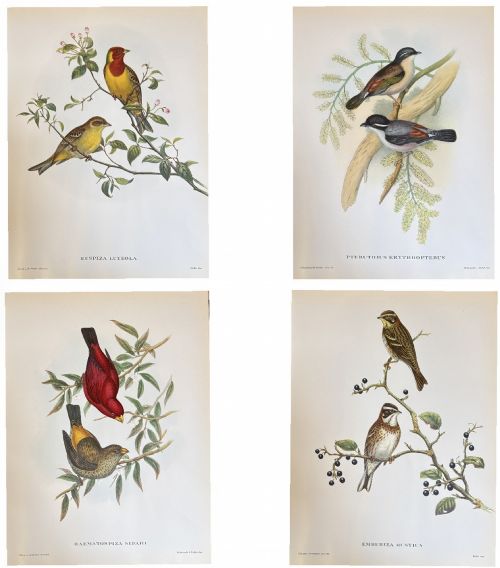
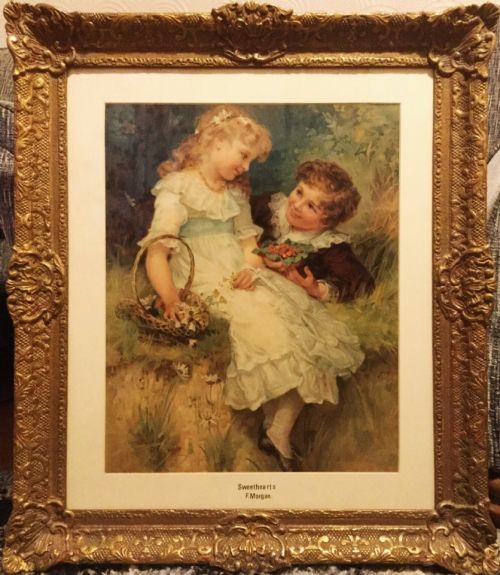
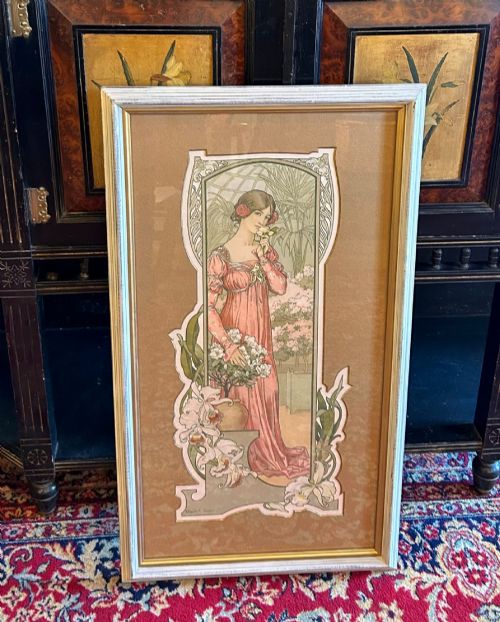
Antique lithograph art encompasses framed prints, wall art, and posters originating from the nineteenth and twentieth centuries. The selection includes Victorian natural history plates, sporting scenes, and advertising prints.
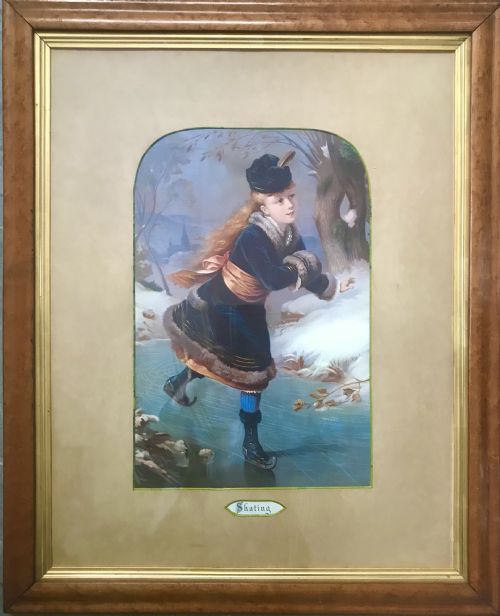
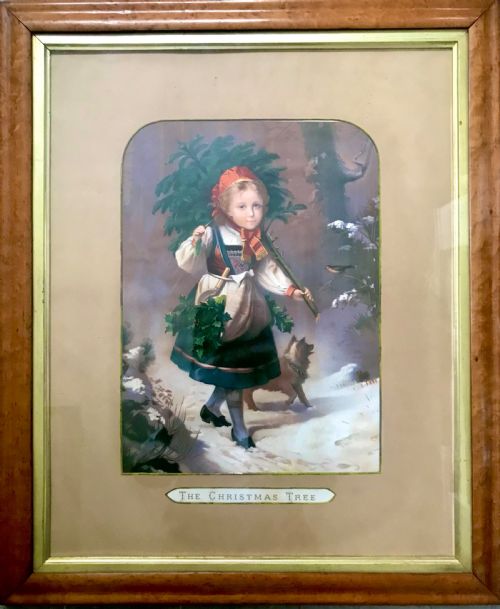
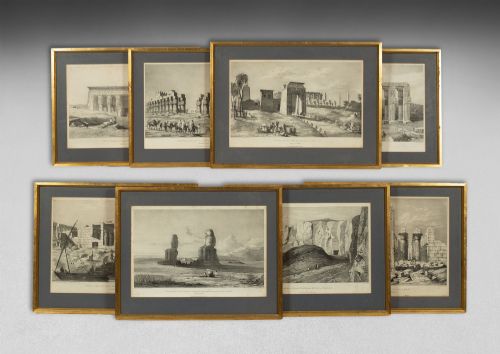
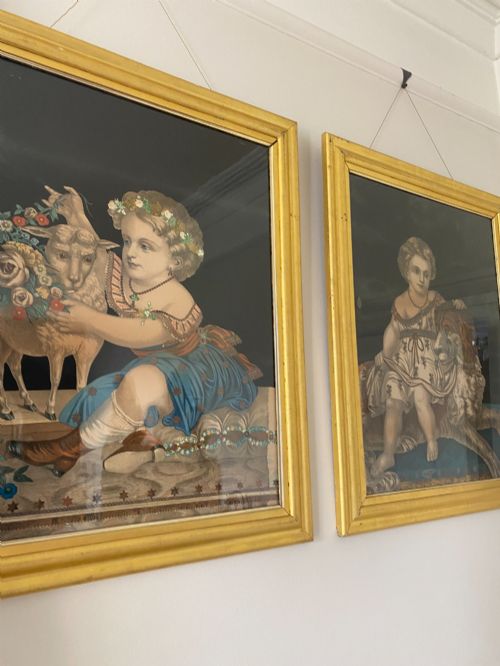
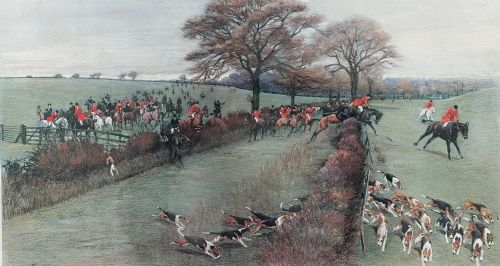
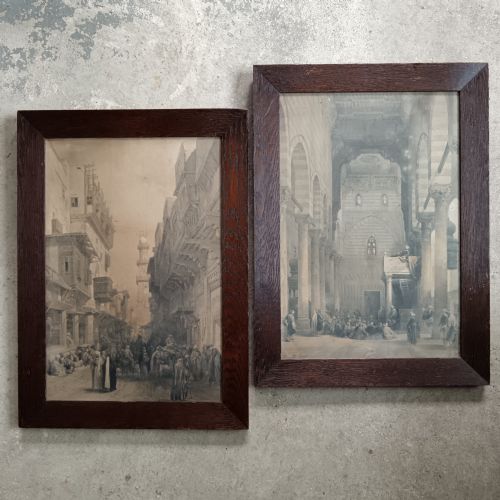
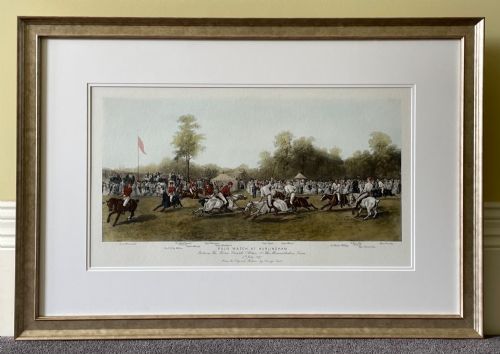
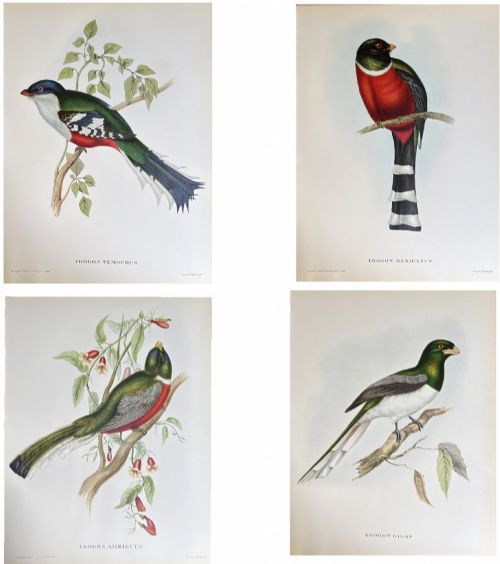
Buyers frequently encounter subjects such as tropical birds, botanical studies, architectural views of Egypt, and equestrian themes. Many pieces arrive housed in original wood or gilt frames.
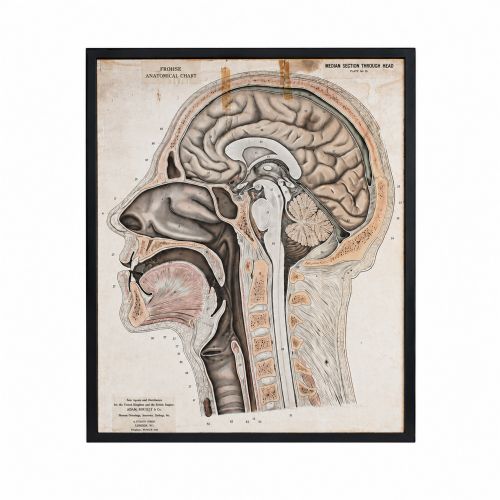
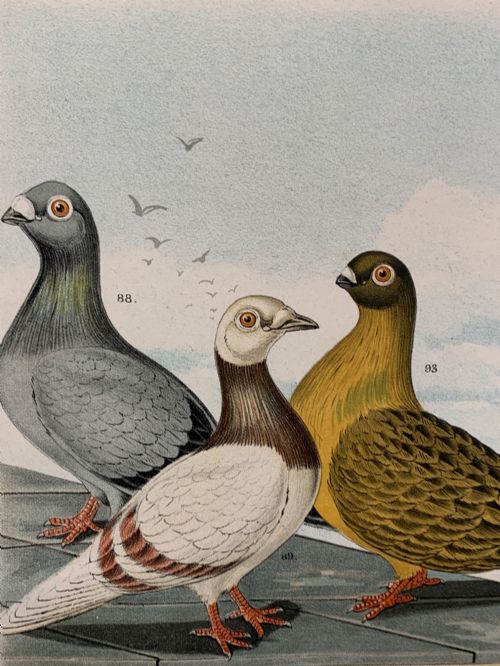
Origins stretch from British publishers to French poster artists, capturing domestic animals, medical subjects, and social caricature. These works document the evolution of commercial and fine art printing techniques.
How They Were Made
Lithography relies on the antipathy of grease and water, utilising stone or metal plates to transfer ink onto paper sheets. Artisans applied pigment by hand or built multicolour images through chromolithography.
Finished plates frequently incorporated gold leaf, gilt, and ink highlights, mounted behind glass within wooden or gilded frames.
Antique Lithograph Art Retail Price Guide 2026
Typical asking prices for lithograph art among the pieces listed under this phrase on Sellingantiques today, from the lower quarter to the upper quarter. They describe what is for sale here now, not the wider market.
Listings feature paper, ink, and glass materials housed within wooden and gilded frames across the nineteenth and twentieth centuries.
What Varies in Quality
The standard of antique lithograph art rests upon the crispness of the impression and the fidelity of the original colour work. Chromolithographs with dense, layered tones sit above simpler monochrome prints.
Condition of the paper sheet and the preservation of original frames heavily influence the desirability of a piece. Works retaining their initial margins and contemporary framing demonstrate superior heritage.
David Roberts·Sir William Nicholson·Elisabeth Sonrel·Louis Wain
The Antique Lithograph Art Glossary
- Lithography
- A planographic printing process based on the chemical repulsion of oil and water. Artists drew designs onto limestone blocks using greasy crayons before applying ink.
- Chromolithography
- A multicolour printing technique utilising a separate stone for each hue. This method produced rich, painterly reproductions popular in Victorian advertising and illustration.
- Framed Prints
- Works of art enclosed behind glass within a protective border. These assemblies often preserve the paper from atmospheric damage.
- Gilt Wood
- Timber framing finished with a thin layer of gold leaf or metallic paint. This treatment enhanced the decorative impact of nineteenth-century wall art.
Antique Lithograph Art: Frequently Asked Questions
What subjects appear in antique lithograph art?
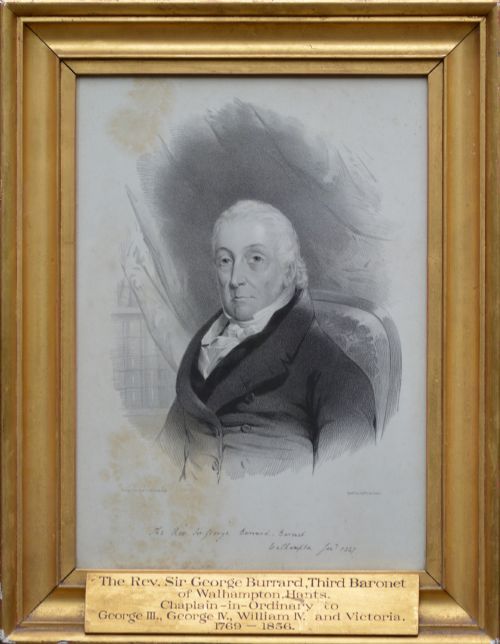
These works feature natural history studies, sporting events, architectural topography, and advertising imagery. Common themes include birds, domestic animals, and portraits from the Victorian era.
Subjects also extend to French poster art, medical subjects, and satirical character studies published in periodicals.
How do I care for framed lithographs?
Keep prints away from direct sunlight to prevent the fading of ink and hand-applied watercolours. Stable indoor humidity protects both the paper sheet and the wooden frame.
Avoid hanging pieces in damp environments to prevent foxing spots from developing on the paper surface.
Are these pieces original nineteenth-century prints?
The listings comprise period printings produced using lithographic stones and plates during the dates specified. Many originate from contemporary periodicals, advertising campaigns, and portfolio plates.
Checking the paper texture and ink application helps distinguish period printings from modern reproductions.
How were these prints originally published?
Publishers issued many lithographs as plates within bound volumes, natural history folios, or travel books. Others appeared as independent advertising posters or magazine supplements.
Periodicals such as Vanity Fair distributed chromolithographic character portraits directly to subscribers.