

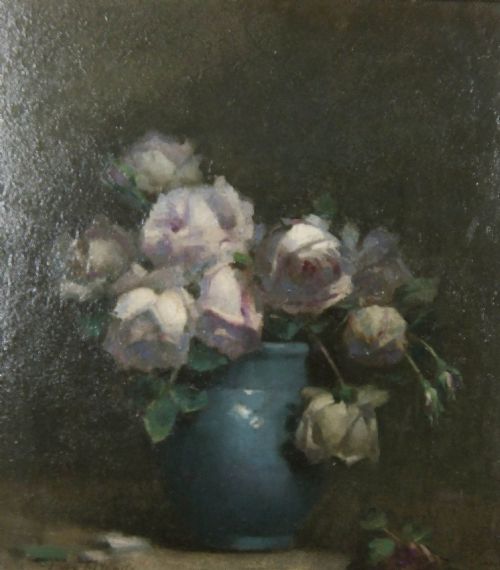


Antique Life Study
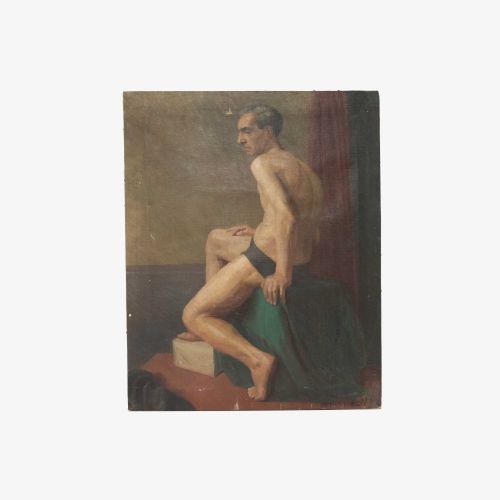
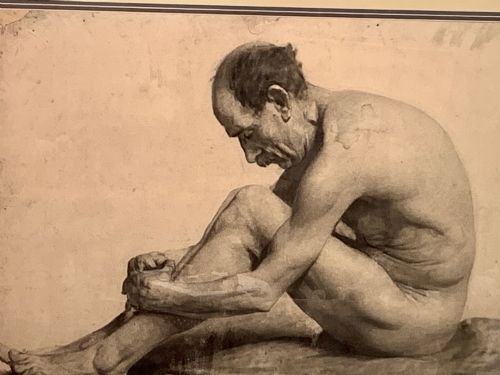
When you search for an antique life study, you encounter academic drawings and paintings capturing the human form from the nineteenth and twentieth centuries.
Antique Life Study
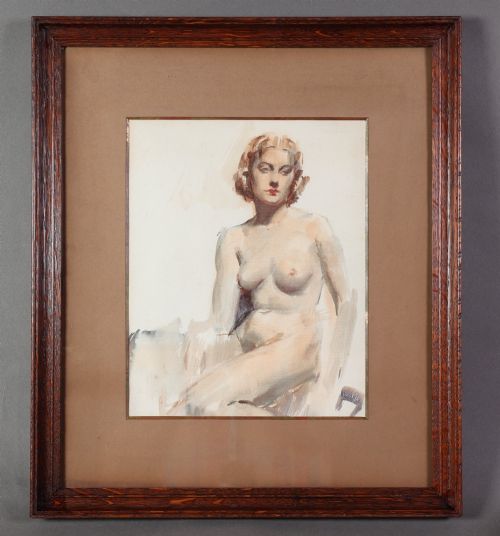
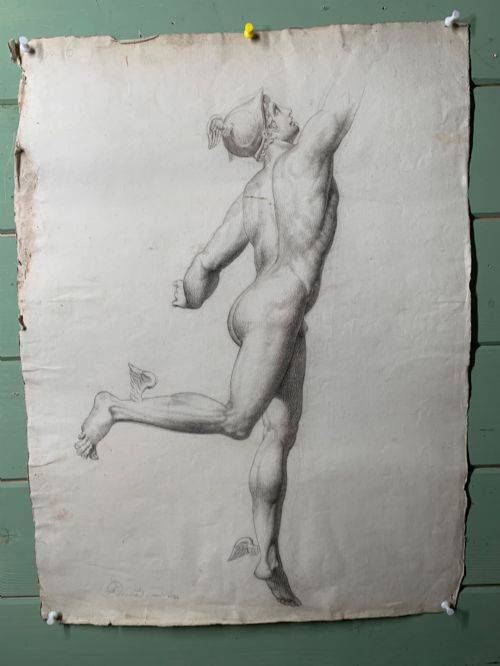
An antique life study represents a foundational exercise in the training of artists, focusing primarily on the human figure drawn or painted from observation. You will frequently encounter nineteenth-century academic drawings and twentieth-century charcoal or graphite renderings on paper.
The selections span periods from the Georgian era through the mid-twentieth century, including works originating from British and continental art schools. These pieces document the rigorous training regimes of past academies, capturing muscular structure and proportion through direct observation of models.
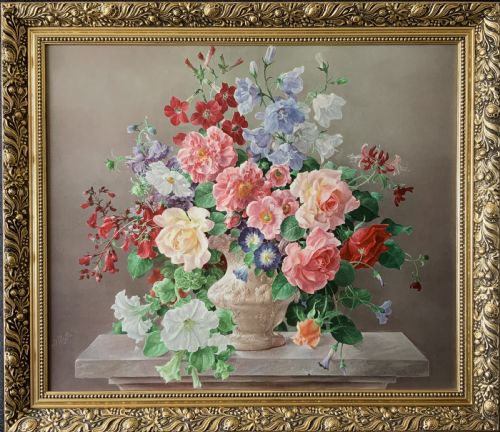
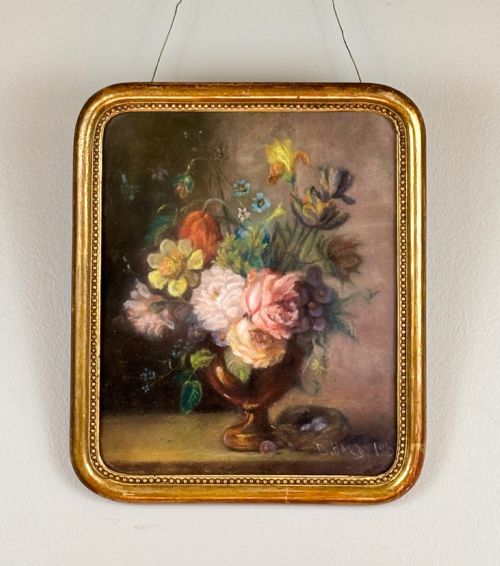
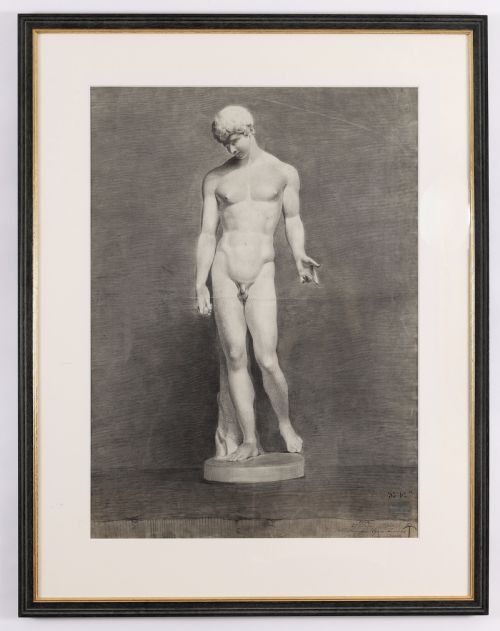
Beyond strict figure work, the category encompasses broader studio exercises executed in oil, watercolour, and pastel. These span from detailed renderings of classical statuary, such as the Capitoline Antinous, to preparatory sketches for larger historical compositions.
How They Were Made
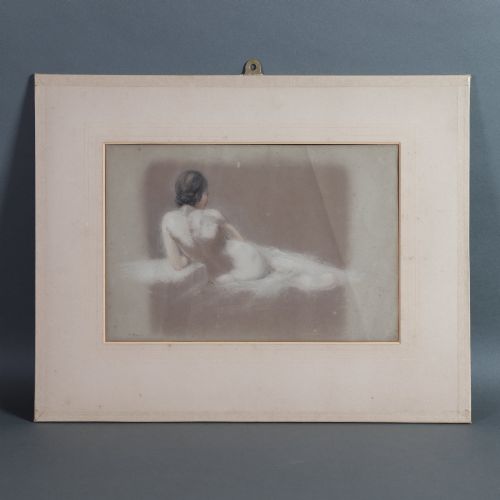
Draftsmen relied on graphite, charcoal, and chalk on paper to capture tone and contour during long studio sessions. Artists built up shadow through careful hatching and stumping, achieving sculptural depth on plain or tinted sheets.
Painters utilised oil and watercolour on canvas, panel, or paper support. Pigments were applied with direct brushwork to record light falling across the model, often within institutional settings like the South Kensington Art School.
Antique Life Study Retail Price Guide 2026
Typical asking prices for life study among the pieces listed under this phrase on Sellingantiques today, from the lower quarter to the upper quarter. They describe what is for sale here now, not the wider market.
Several drawings preserve faint smudges of artist thumbprints near the margins, left behind centuries ago while blending charcoal.
What Varies in Quality
The strength of a piece rests in the surety of the line and the anatomical conviction of the rendering. Superior examples display a confident grasp of underlying bone structure and musculature rather than a mere surface copy of the model.
Execution speed and purpose also distinguish works, separating quick preparatory academy class sketches from finished prize submissions intended for exhibition. The sustained attention of the artist during long poses determines the visual depth of the final sheet.
William Etty·Henry Arthur Roberts·Thomas Hooper·Winifred Eugene Ballard·John Robertson Reid
The Antique Life Study Glossary
- Academic Realism
- A style of painting and drawing produced under the influence of European academies of art. It emphasises precise anatomical accuracy and adherence to classical traditions.
- Grisaille
- A painting executed entirely in shades of grey or neutral greyish-brown. Artists used this monochrome technique to practice tonal values or as an underpainting for oils.
- Recumbent
- Lying down or reclining in a posture of rest. This specific pose frequently tested the artist's ability to render foreshortening and weight.
- Tempera
- A permanent, fast-drying painting medium consisting of coloured pigment mixed with a water-soluble binder material such as egg yolk. It produces a durable, matte surface on panel supports.
Antique Life Study: Frequently Asked Questions
What is an antique life study?
An antique life study is a drawing or painting created as an exercise in recording the human figure from a live model. These works originated within art schools and private studios primarily during the nineteenth and twentieth centuries.
They serve as records of traditional artistic training, showing how students learned to render light, shadow, and anatomy before progressing to finished historical or portrait compositions.
How do I frame works on paper?
Works on paper require conservation-grade mounting to protect fragile charcoal, graphite, and watercolour mediums from direct contact with glass. Acid-free boards and hinging techniques prevent long-term discolouration and damage.
Keeping these pieces away from direct sunlight preserves the fugitive pigments often found in academic drawings and nineteenth-century watercolours.
How are periods told apart?
Stylistic shifts and framing materials help distinguish between Georgian, Victorian, and mid-twentieth-century examples. Earlier nineteenth-century academic drawings often lean towards neoclassical proportions and strict graphite hatching, while later works introduce broader charcoal strokes.
Paper quality, watermark evidence, and artist inscriptions provide additional chronological markers for dating unsigned or school pieces accurately.
Where were these pieces produced?
Many of these studies originated inside institutional settings such as the South Kensington Art School or continental academies. Students worked collectively in studio classes under the supervision of senior instructors.
Other examples stem from private artists' studios where informal sketching sessions took place among peers using local models.