





Antique Lidded Basket
These antique lidded baskets bring texture and warmth to a room, offering practical storage disguised in period craft.
Antique Lidded Basket
An antique lidded basket spans several centuries of domestic utility, ranging from small porcelain sugar vessels and pot pourri baskets to heavy fireside log bins. When searching for an antique lidded basket, buyers encounter an eclectic mix of forms including Georgian oak waste bins, Edwardian silver urns, and large copper coal buckets.
The materials vary widely across these domestic objects, taking in sterling silver, soft-paste porcelain, woven pine, cane, and hammered copper. Origins stretch across English, Dutch, and Swedish workshops, reflecting how different regions adapted natural fibres and metals for household storage.
Fireside accessories form a substantial part of the selection, particularly heavy metal log bins framed in wrought iron or brass. Alongside these hearth pieces sit smaller tabletop items, such as Worcester chestnut baskets with lids and Mason's ironstone soap dishes in the Japan basket pattern.
How they were made
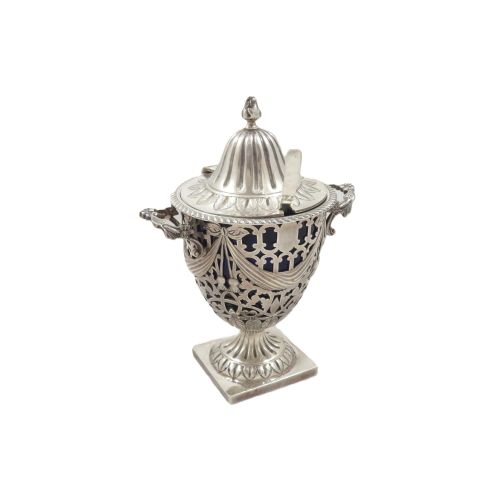
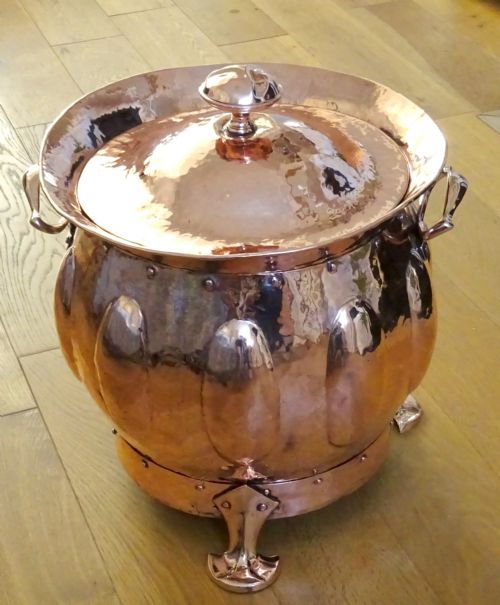
Metal vessels like log bins and coal buckets rely on heavy hammering, riveting, and soldering of copper and brass sheets, frequently supported by sturdy wrought iron frames. Silversmiths employed casting and piercing techniques for Edwardian sugar baskets and pot pourri vessels, integrating cobalt glass liners where appropriate.
Wooden examples utilise traditional joinery and turning methods, combining oak and fruitwood for structural stability in fireside storage. Woven items such as Swedish pine and cane baskets depend on tight manual binding to ensure durability for heavy daily loads.
Ceramic pieces, including soft-paste porcelain and ironstone, involve meticulous moulding, hand-painting, and glazing. Worcester and Mason's pieces demonstrate high-temperature kiln firing alongside detailed overglaze decoration.
Antique Lidded Basket Retail Price Guide 2026
Typical asking prices for lidded basket among the pieces listed under this phrase on Sellingantiques today, from the lower quarter to the upper quarter. They describe what is for sale here now, not the wider market.
Even a humble log bin can carry the weight of a century of soot and fireside stories.
What varies in quality
The integrity of construction separates basic utility items from finer examples, particularly in the thickness of the metal used for copper log bins and the precision of the joinery in wooden boxes. In silver and ceramic pieces, the crispness of the chasing or the hand-painted detail defines the standard of craftsmanship.
Proportion and decorative restraint dictate visual success, distinguishing well-balanced country pieces from heavier or clumsily adapted items. Original fittings, such as iron handles, brass feet, and matching lids, significantly elevate the integrity of the piece.
The Antique Lidded Basket Glossary
- Soft-paste porcelain
- A type of ceramic paste fired at lower temperatures than true porcelain, often found in 18th-century decorative pieces. It yields a slightly warmer glaze and softer body.
- Pot pourri basket
- A small pierced vessel designed to hold dried scented petals, allowing fragrance to diffuse into a room. These frequently feature ornate silver or ceramic pierced lids.
- Log bin
- A heavy container used beside a fireplace to store firewood. They appear in copper, brass, and oak.
- Ironstone
- A durable type of heavy earthenware patented in the 19th century. It offers chip resistance while mimicking porcelain.
- Cobalt glass
- A deep blue glass frequently utilised as a contrasting insert within pierced silver baskets. Its rich colour shows through open metalwork.
Antique Lidded Basket: Frequently Asked Questions
What were antique lidded baskets used for?
These items served a wide variety of domestic functions, ranging from holding coal and firewood by the hearth to storing sugar, pot pourri, or chestnuts on the dining table.
Larger versions acted as waste bins or heavy storage containers, while delicate porcelain and silver examples fulfilled decorative or tabletop roles in wealthy households.
How do I date an antique lidded basket?
Dating relies on examining the materials, construction marks, and prevailing styles such as Edwardian silverwork, Georgian oak joinery, or 19th-century copper hammering.
Hallmarks on silver items provide exact years, while stylistic cues like Art Nouveau curves or Arts and Crafts simplicity help narrow down the period of manufacture.
How do I care for a metal log bin?
Copper and brass vessels benefit from gentle dusting and occasional cleaning with appropriate metal polishes only if a bright finish is desired, though many prefer a natural aged patina.
Keeping them away from damp environments prevents corrosion of the iron frames and protects the internal surfaces from moisture damage.
Are ceramic lidded baskets fragile?
Soft-paste porcelain and ironstone pieces require careful handling due to their ceramic composition, particularly around decorative handles and pierced lids.
Displaying them away from high-traffic areas or active hearths ensures these delicate tabletop and decorative items remain secure.