

Antique Liberty Furniture
These pieces of antique liberty furniture bring the distinctive shapes of the Arts and Crafts and Moorish Revival movements directly into your home.
Antique Liberty Furniture
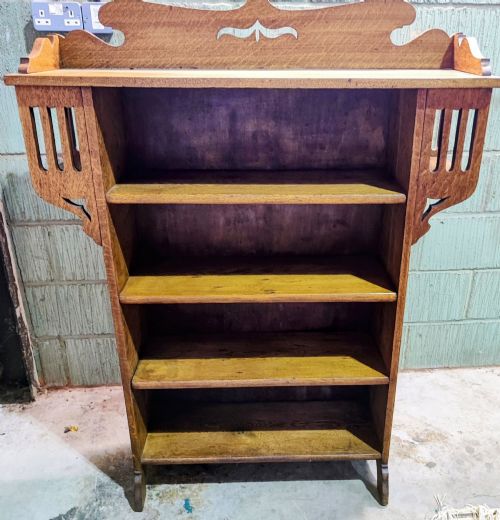
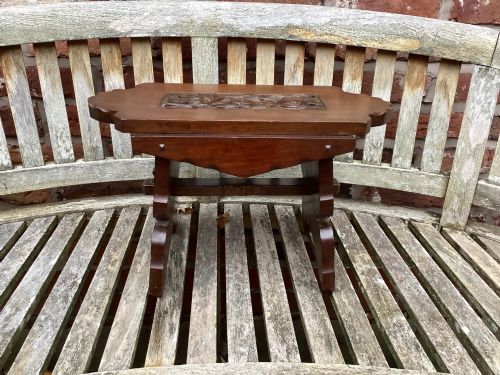
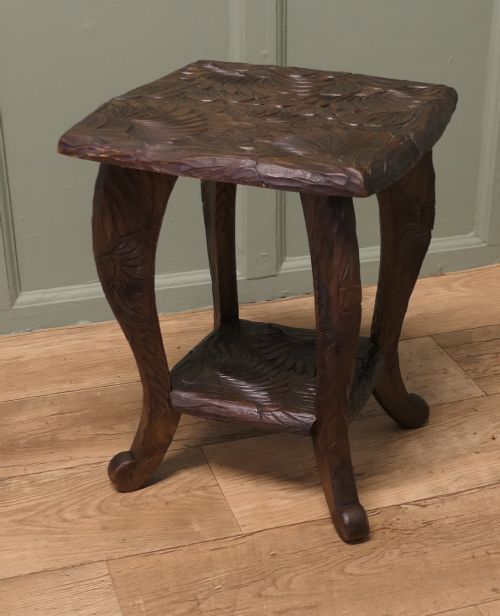
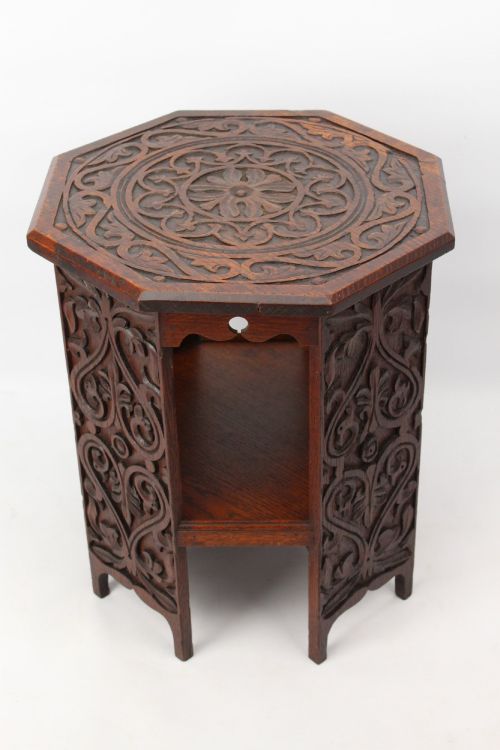
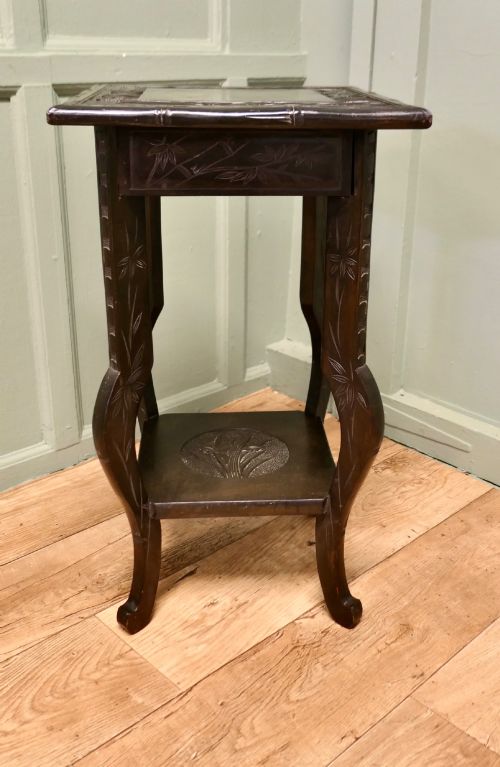
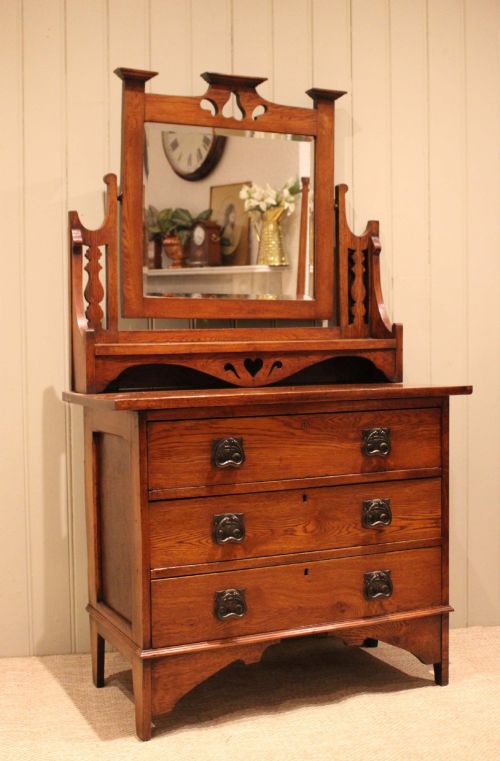
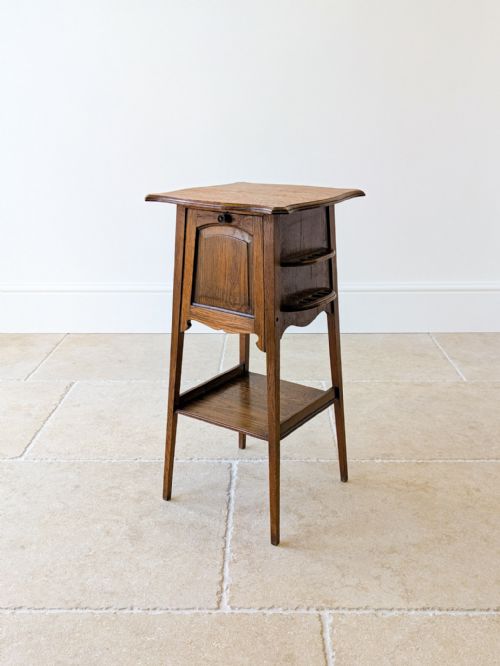
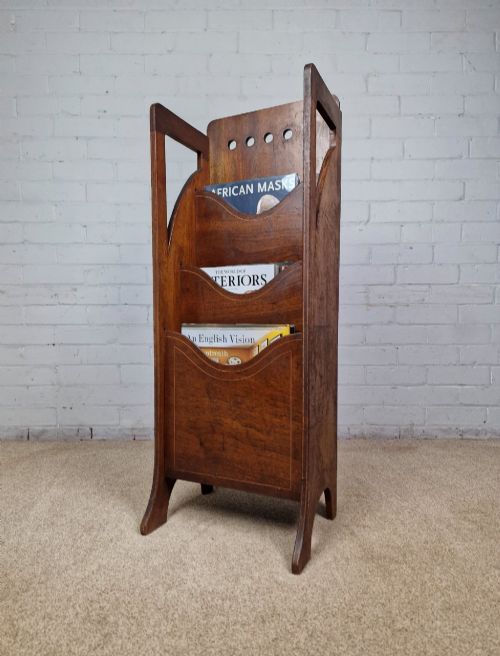
Antique liberty furniture encompasses domestic items produced by or in the manner of Liberty & Co. during the late nineteenth and early twentieth centuries. The selection on this page centres on practical forms such as oak side tables, occasional tables, bookcases, armchairs, and plant stands.
The dominant aesthetic draws from the Arts and Crafts movement alongside Moorish Revival and Aesthetic Movement designs. You will frequently encounter sturdy oak construction, carved details, and occasional bamboo or walnut pieces dating from the Victorian and Edwardian eras.
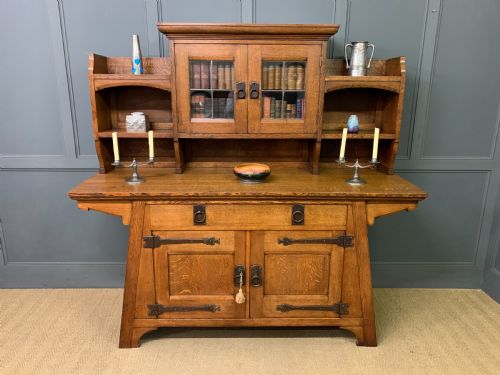
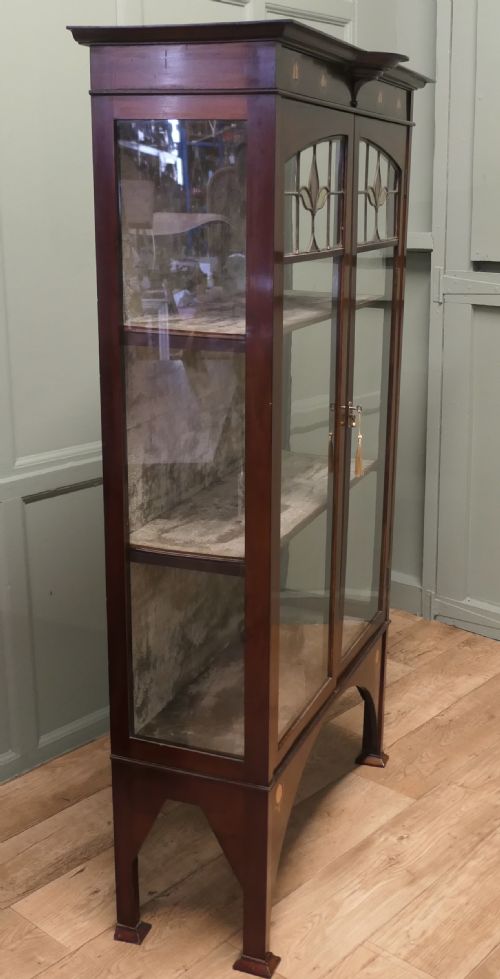
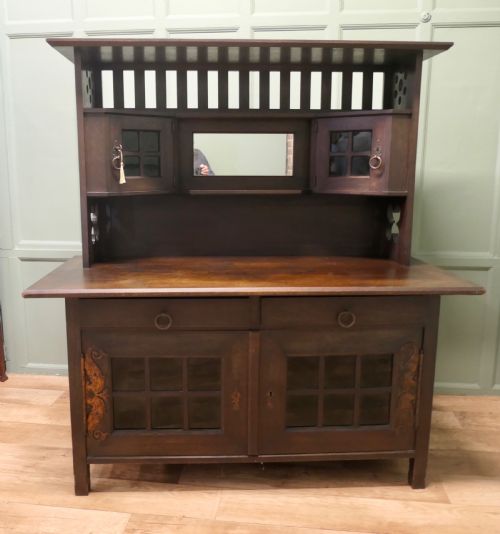
Smaller items like stools and umbrella stands sit alongside larger sideboards and display cabinets. These pieces reflect a distinct turn away from heavy Victorian industrial production toward simpler, honest forms.
How they were made
Makers relied primarily on solid oak, walnut, and elm, often pairing timber with brass hardware, glass panels, and leather upholstery. Construction methods emphasised visible joinery and structural clarity rather than applied ornamentation.
Exotic influences introduced materials such as bamboo, copper, and fabric alongside traditional British hardwoods. Inlaid details, carved surfaces, and turned wooden components completed the construction of tables, cabinets, and chairs.
Antique Liberty Furniture Retail Price Guide 2026
Typical asking prices for liberty furniture among the pieces listed under this phrase on Sellingantiques today, from the lower quarter to the upper quarter. They describe what is for sale here now, not the wider market.
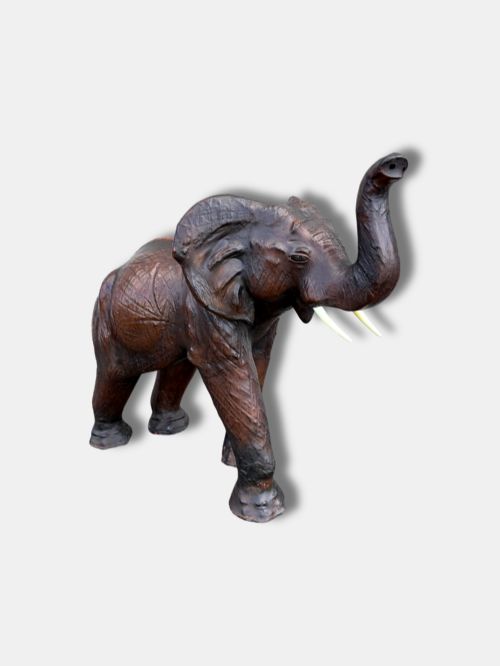
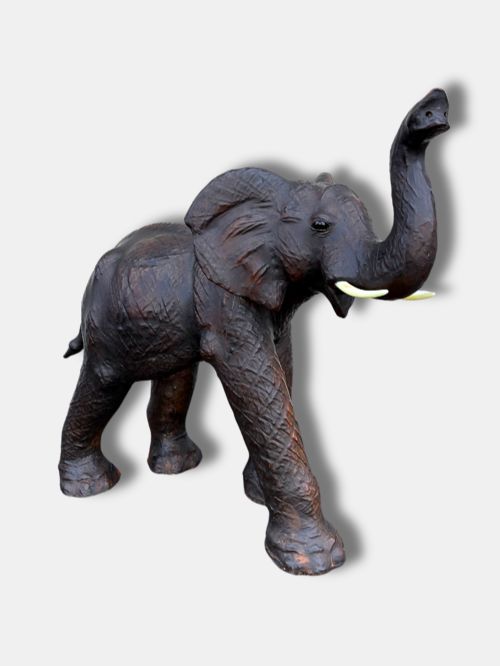
Leather elephant footstools served as sturdy domestic seats during the 1930s, bringing a touch of safari eccentricity into British homes.
What varies in quality
The distinction between standard production and exceptional examples rests on the crispness of the carving and the integrity of the timber. Pieces bearing direct attribution to specific designers or notable workshops display superior handling of materials and more thoughtful proportions.
Original surface finishes and intact secondary elements like leather upholstery or brass fittings elevate a piece above standard workshop output. Construction stability and the survival of delicate details such as chequered inlays determine the standing of individual items.
Leonard Wyburd·William Birch·Archibald Knox
The Antique Liberty Furniture Glossary
- Arts & Crafts
- A design movement advocating for traditional craftsmanship, simple forms, and local materials. It rejected mass production in favour of honest construction.
- Moorish Revival
- An architectural and decorative style incorporating Islamic architectural elements, often featuring intricate geometric woodwork and mother-of-pearl or bone inlay.
- Occasional table
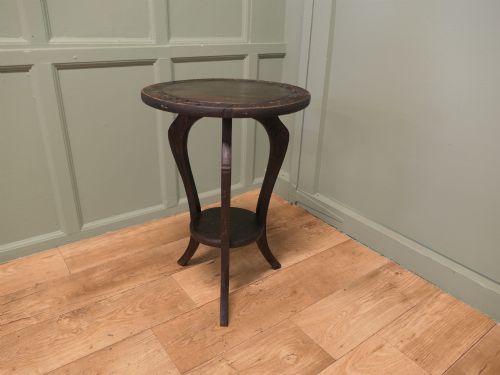
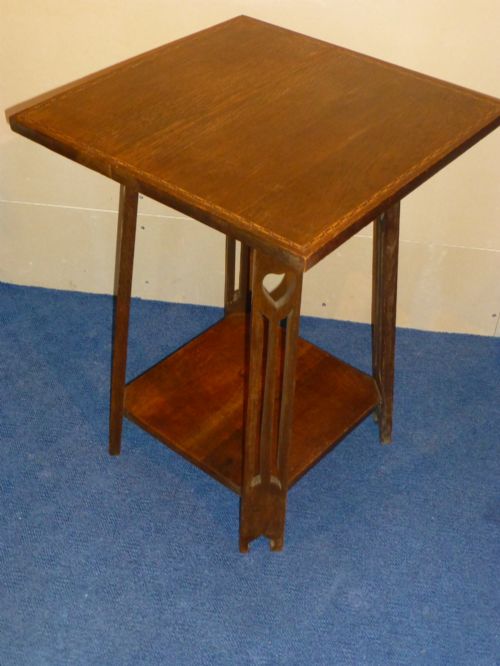
- A small, movable table designed for a specific, transient use in a sitting room or hallway. These items often feature two tiers or octagonal tops.
- Jardiniere stand
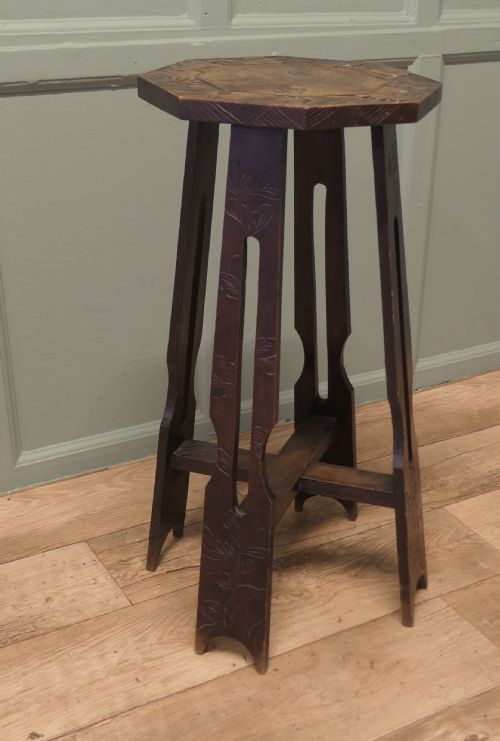
- A tall piece of furniture designed specifically to hold a plant pot or floral display. They frequently utilise slender legs and elevated platforms.
- Thebes stool
- An ancient Egyptian-inspired stool design with splayed legs and a concave seat, popularised by Liberty & Co. during the late nineteenth century.
Antique Liberty Furniture: Frequently Asked Questions
What defines antique liberty furniture?
These pieces represent the retail output and design ethos of Liberty & Co. from the late Victorian and Edwardian periods. They bridge domestic utility and artistic design.
Characterised by Arts and Crafts simplicity or exotic Moorish detailing, they use solid oak, walnut, and bamboo. Their enduring appeal lies in their rejection of heavy Victorian industrial styles.
How do I identify a Liberty piece?
Look for distinctive construction traits such as octagonal tops, exposed joinery, and specific stylistic nods to the Aesthetic movement. Many items combine solid oak with subtle carved details or chequered inlay.
While some bear direct attribution to designers like Leonard Wyburd, others reflect the broader house style through proportion and material choice.
Where should I place these pieces?
Side tables, plant stands, and small bookcases adapt easily to modern hallways, sitting rooms, and studies. Their modest scale allows them to function practically without dominating a room.
Sturdier items like armchairs and sideboards anchor larger living spaces, pairing well with neutral walls and natural textiles.
How do I care for the wood?
Maintain timber surfaces by keeping them away from direct heat sources and sudden humidity changes. Regular dusting with a soft, dry cloth preserves the original finish.
Avoid modern silicon polishes, opting instead for traditional beeswax when the timber requires nourishment. Leather elements benefit from occasional gentle conditioning.