



Antique Leg Form
These pieces grouped under antique leg form comprise tables, benches, and seating designed with distinct architectural silhouettes.
Antique Leg Form
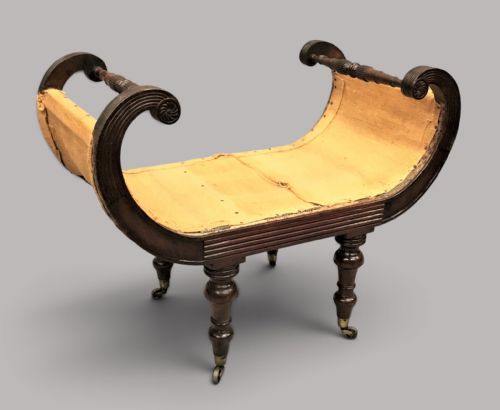
When searching for antique leg form, a buyer encounters tables, benches, and stools designed with particular attention to their structural supports. The selection includes dining tables, console tables, side tables, window seats, and benches originating across multiple eras.
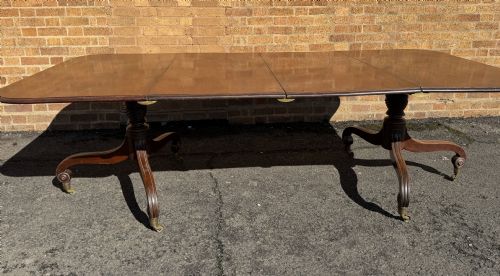
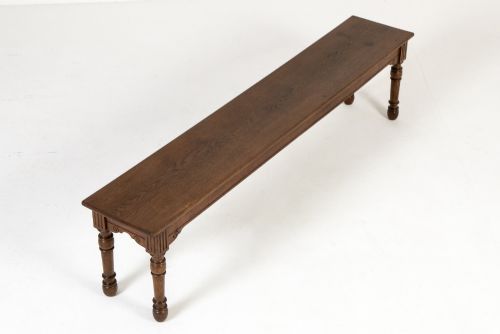
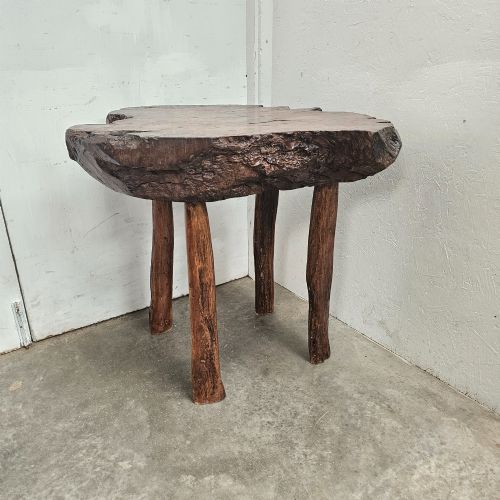
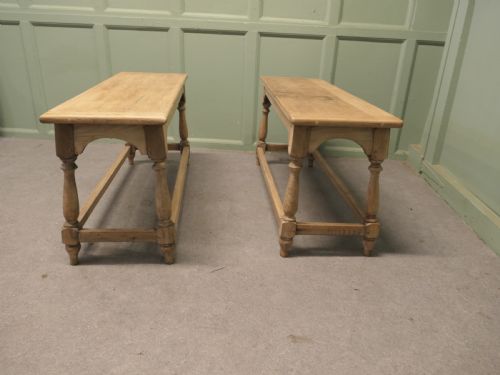
The most frequent examples met on this page are dining tables and benches dating from the nineteenth century in mahogany and oak. These pieces range from George III twin-pillar dining tables to rustic farmhouse benches and bleached oak joint benches.
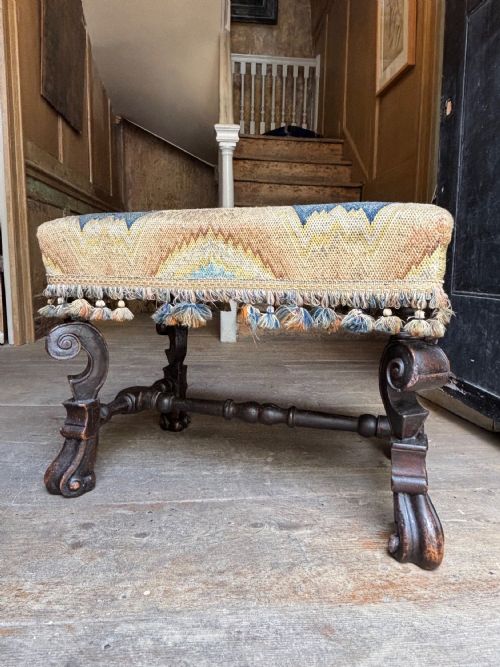
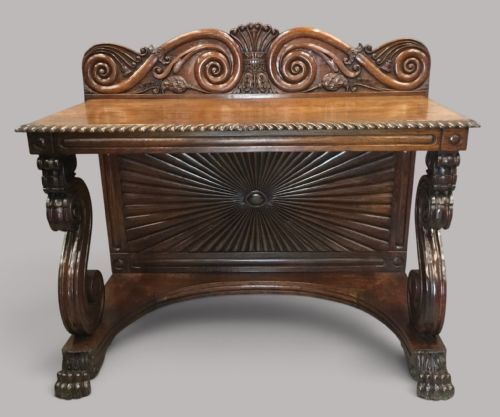
Regional and stylistic variations span from seventeenth-century Carolean stools of baroque design to Anglo-Indian padouk console tables and Regency serving tables. Each object relies on its specific structural silhouette to define its character within a room.
How they were made
Construction relies upon traditional timbers such as mahogany, oak, walnut, pine, padouk, and birch, selected for their structural stability and grain. Artisans shaped these materials into benches, console tables, and dining tables using period woodworking joints.
Surface treatments and secondary elements incorporate brass fittings, inlaid birch, and upholstered elements featuring tapestry and textile covers. Bleached oak finishes and polished mahogany surfaces demonstrate the primary finishing techniques applied across the periods.
Antique Leg Form Retail Price Guide 2026
Typical asking prices for leg form among the pieces listed under this phrase on Sellingantiques today, from the lower quarter to the upper quarter. They describe what is for sale here now, not the wider market.
One bench on this page once sat within the historic walls of Bishopthorpe Palace in York.
What varies in quality
Quality differentiates through the precision of the joinery and the selection of timber used for the primary structure and secondary surfaces. Pieces exhibiting accomplished proportions and well-drawn silhouettes stand apart from simpler vernacular examples.
The sophistication of the stylistic execution, whether through baroque carving or restrained Regency lines, dictates the refinement of the piece. Provenance, such as origin from notable historic locations, further distinguishes individual examples.
The Antique Leg Form Glossary
- Carolean
- Pertaining to the reign of King Charles II, characterised by exuberant baroque forms and rich ornamentation. This style appears in seventeenth-century seating.
- Padouk
- A dense tropical hardwood displaying a distinctive reddish-brown colour, utilised in overseas trade pieces such as Anglo-Indian console tables.
- Joint bench
- A piece of seating furniture constructed using mortise and tenon joints with wooden pegs, typically associated with early oak furniture. These sturdy forms often feature bleached finishes in later interpretations.
- Twin-pillar
- A table base construction comprising two vertical columns mounted on spread feet or plinths, commonly found on nineteenth-century dining tables to allow generous legroom.
Antique Leg Form: Frequently Asked Questions
What periods do these pieces span?
The inventory covers items from the seventeenth century through the eighteenth and nineteenth centuries up to nineteen hundred.
Styles represented include Carolean, George III, Regency, Victorian, and rustic farmhouse traditions.
What timber types are used?
Construction utilises hardwoods and softwoods including mahogany, oak, bleached oak, walnut, pine, padouk, and birch.
Secondary materials incorporate brass hardware alongside tapestry and textile upholstery.
How do regional styles differ?
English regional pieces reflect vernacular traditions such as rustic farmhouse benches and oak seating from historic estates.
Imported pieces like Anglo-Indian tables introduce exotic hardwoods and distinct decorative conventions.