



Antique Leather Rocker
An antique leather rocker offers a deeply comfortable seat built on gentle curves, bringing traditional craftsmanship and movement into any room.
Antique Leather Rocker
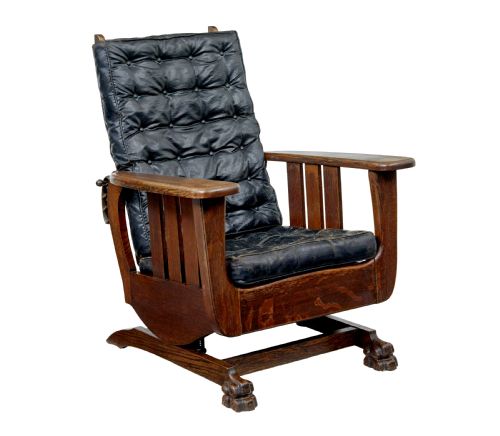
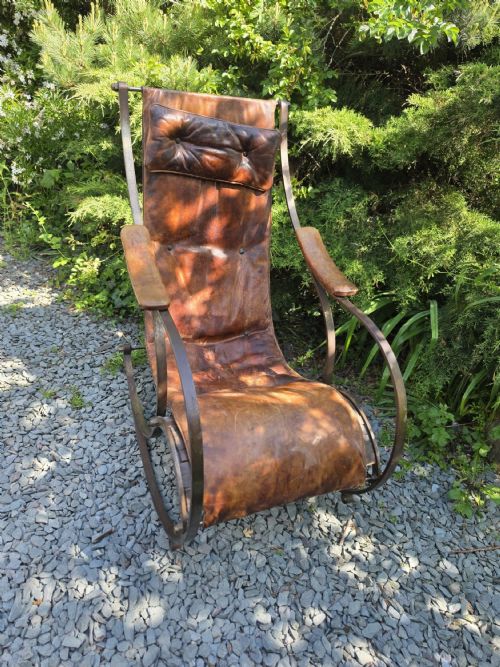
When you search for an antique leather rocker, you find traditional seating designed for motion alongside carved wooden rocking horses built for children. The selection includes Victorian and Edwardian examples featuring upholstered leather elements.
Most pieces on this page originate from the nineteenth century or the Edwardian period, constructed from woods like mahogany, beech, birch, and pine. Makers applied various styles, ranging from Arts and Crafts designs to classic Victorian forms.
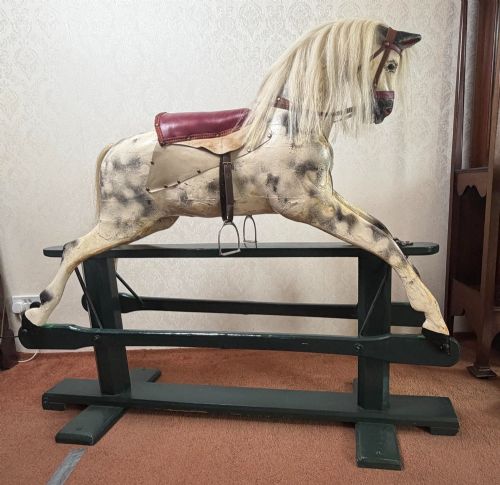
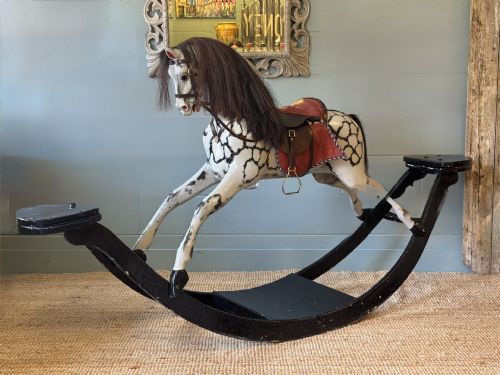
Beyond standard rocking chairs, the evidence includes child-sized variants and substantial rocking horses mounted on original wooden rockers. Each item combines functional seating or play with historical woodwork and upholstery.
How they were made
Carpenters utilised solid timbers such as mahogany, beech, birch, and pine to build sturdy frames capable of withstanding constant movement. Woodworkers carved structural details by hand, shaping wooden frames and curved rockers to ensure smooth motion.
Upholsterers integrated leather seats alongside traditional stuffing materials like horsehair to create supportive cushions. Makers also incorporated metal components such as iron frames and brass fixings to secure structural joints.
Antique Leather Rocker Retail Price Guide 2026
Typical asking prices for leather rocker among the pieces listed under this phrase on Sellingantiques today, from the lower quarter to the upper quarter. They describe what is for sale here now, not the wider market.
Children enjoy riding the carved wooden horses while adults sit nearby in matching Victorian rocking chairs.
What varies in quality
The standard of a piece depends heavily on the grade of timber selected for the frame and the precision of the carving. Heavier woods like mahogany and structured birch support more intricate joinery than softer pine alternatives.
Quality also rests on the preservation of original materials, from the condition of the leather upholstery to the stability of the wooden rockers. Pieces retaining their original brass fixings and horsehair stuffing represent higher standards of period construction.
G & J Lines of London·R W Wingfield·Thonet
The Antique Leather Rocker Glossary
- Rocking Chair
- A chair mounted on curved pieces of wood that allow the occupant to swing back and forth. These items form the core of the seating selection.
- Rocking Horse
- A toy horse mounted on bow rockers designed for children to ride. Several examples appear alongside standard chairs in the evidence.
- Horsehair
- A traditional upholstery stuffing material gathered from the manes and tails of horses. Craftsmen used this fibre to pad leather seats.
- Beech
- A hard, pale timber utilised by period carpenters for furniture frames. Its density makes it suitable for chairs subject to movement.
- Arts and Crafts
- A design movement focusing on traditional craftsmanship and simple forms. Pieces from this style emphasise honest construction and visible materials.
Antique Leather Rocker: Frequently Asked Questions
What woods were used for these chairs?
Makers utilised a variety of timbers depending on the period and style. Common woods recorded in the evidence include mahogany, beech, birch, and pine.
Heavier hardwoods provided strong frames for daily movement, while softer woods appeared in simpler or regional pieces.
How do I identify a Victorian rocker?
Victorian pieces typically display heavier carved wooden frames and darker timbers such as mahogany. They often feature traditional upholstery techniques including leather seats.
Examining the construction methods and period specific design details helps distinguish these chairs from later Edwardian examples.
What materials make up the upholstery?
Upholstery on these chairs relies primarily on leather for the outer covering. Traditional stuffing materials like horsehair sit beneath the leather to provide padding.
Metal components such as brass fixings and iron frames also appear in certain designs to reinforce the structure.
Are rocking horses included in this category?
Yes, several listings feature large rocking horses mounted on original wooden rockers alongside standard chairs. These wooden toys date from the nineteenth and early twentieth centuries.
They share construction techniques with the furniture, utilising carved wooden bodies and sturdy rocker bases.
When were Edwardian rockers made?
Edwardian pieces date from the reign of King Edward VII during the early twentieth century. These chairs often feature lighter woods and floral occasional designs.
They reflect a transition toward slightly more delicate frames compared to earlier Victorian seating.