




Antique Leather Couches
These antique leather couches combine deep comfort with enduring character, bringing rich hides and traditional frames into modern living spaces.
Antique Leather Couches
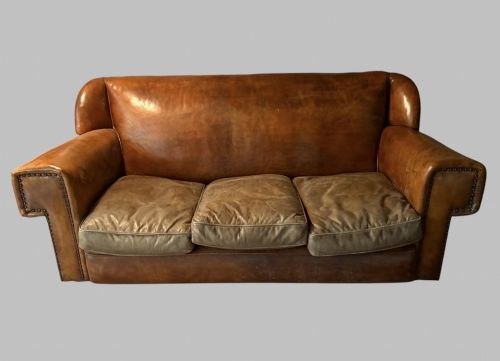
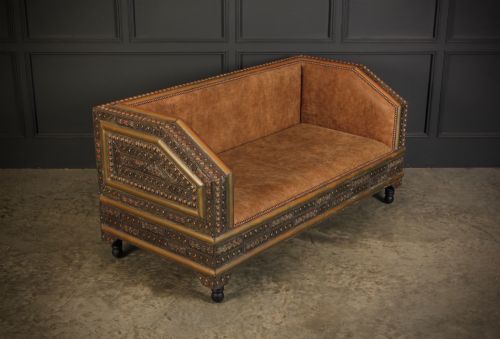
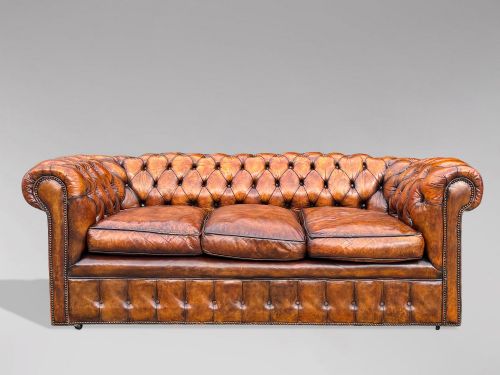
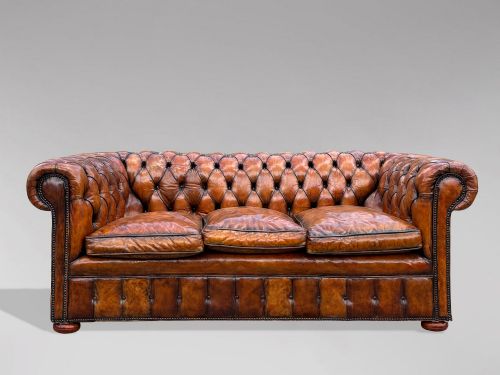
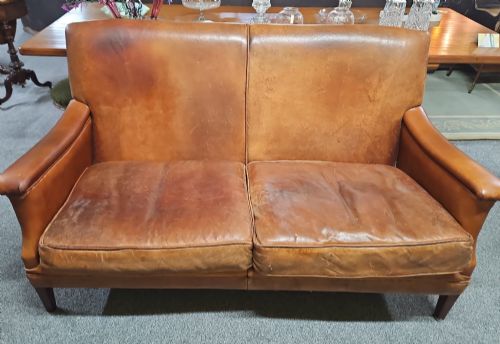
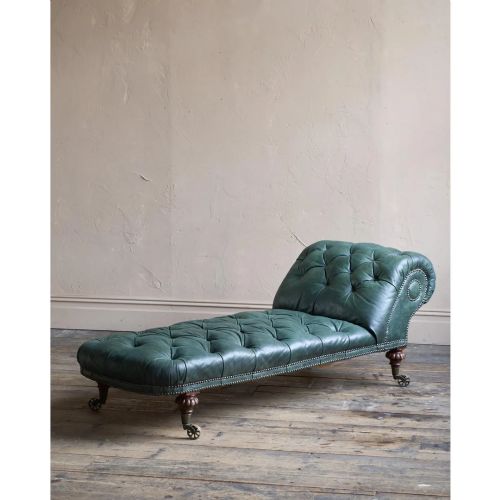
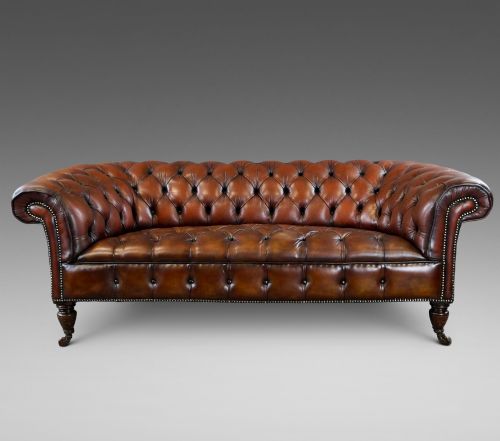
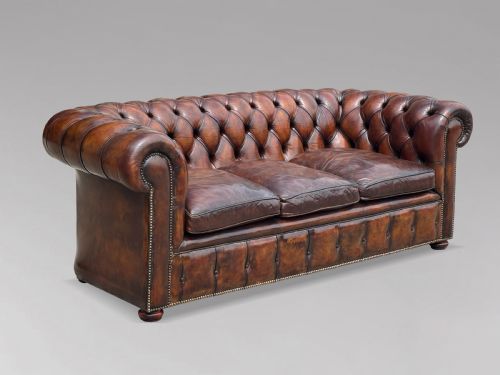
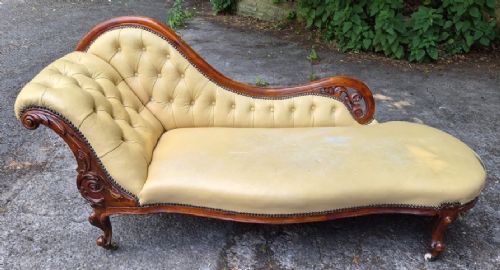
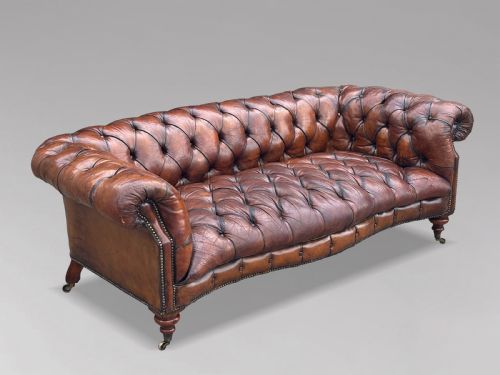
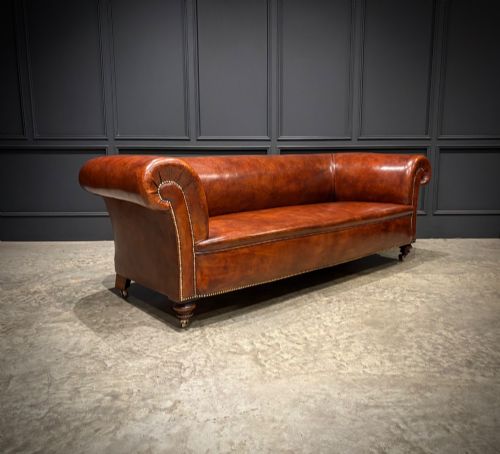
Antique leather couches encompass a range of seating forms designed for formal parlours and relaxed country houses alike, spanning the nineteenth and early twentieth centuries. The classic buttoned Chesterfield dominates this selection, alongside chaise longues, scroll-ended settees, and matching lounge suites.
Makers and workshops of the Victorian and Edwardian eras utilised sturdy timber frames of mahogany, walnut, and hardwood to support substantial sprung seating. These pieces range from compact three-seater sofas to large corner arrangements and matching armchair sets.
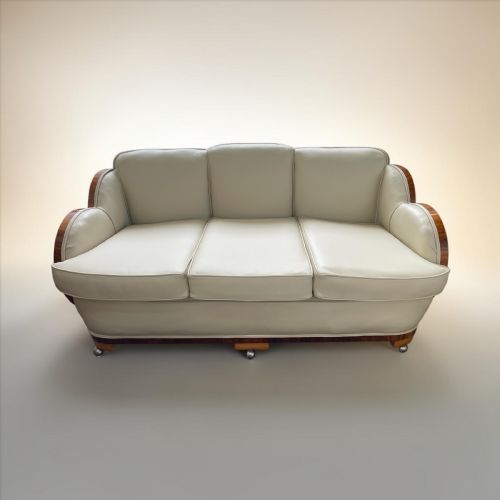
Examples from the Art Deco period introduce cloud shapes and palisander frames, showing a shift towards smoother lines while retaining traditional leather upholstery. Buyers encounter pieces finished in brown, whiskey, and red tones, often possessing hand-dyed patinas accumulated over decades of use.
How they were made
Craftsmen built the foundations of these couches using dense hardwoods such as mahogany and walnut, often shaping exposed show-frames with carved details. Internal construction relied on coiled springs and traditional stuffing materials like horsehair to create resilient support.
Upholsterers applied leather hides over the padded framework, securing the material with deep buttoning and individual brass tacks. Finished surfaces received hand-dyeing or polishing to bring out the natural grain and tonal variations of the hide.
Antique Leather Couches Retail Price Guide 2026
Typical asking prices for leather couches among the pieces listed under this phrase on Sellingantiques today, from the lower quarter to the upper quarter. They describe what is for sale here now, not the wider market.
Current listings feature Victorian, Edwardian, and Art Deco periods, utilising mahogany, walnut, and brass.
What varies in quality
The integrity of the internal stuffing and coil springing dictates the firmness and longevity of the seat, separating solid builds from those needing structural intervention. Superior examples retain original frame timber and stable joinery without excessive alterations.
The condition and depth of the leather hide define the visual appeal, where naturally aged patinas command greater appreciation than heavily painted surfaces. Details such as hand-carved mahogany frames or crisp tufting indicate higher levels of original craftsmanship.
Howard And Sons·Harry And Lou Epstein·Robert Strahan And Co·Hampton And Sons·Maple And Co
The Antique Leather Couches Glossary
- Chesterfield
- A traditional sofa style characterised by arms and back of the same height, featuring deep button tufting and upholstered leather. This form remains the most recognisable shape among period seating.
- Chaise Longue
- An upholstered long chair designed for reclining, featuring a backrest at one end and sometimes a single arm. These pieces often display carved mahogany or walnut show-frames.
- Show Frame
- An exposed wooden structural frame, typically carved from mahogany or walnut, that surrounds the upholstered portions of a sofa or settee. It displays the joinery and timber grain.
- Button Back
- An upholstery technique where buttons are pulled tight through the padding to create a diamond pattern across the leather backrest. This method secures the internal filling and provides firm support.
- Palisander
- A dense tropical hardwood often utilised in Art Deco furniture for its dark grain and polished finish. It provides a smooth contrast to leather upholstery.
Antique Leather Couches: Frequently Asked Questions
How do I care for antique leather?
Maintain the hide by applying specialised leather balms periodically to prevent drying and cracking, keeping the couch away from direct heat sources.
Avoid harsh chemical cleaners, relying instead on a soft, dry cloth to remove dust from the button folds and creases.
Are these couches comfortable for daily use?
Traditional coil springing and horsehair stuffing provide firm, supportive seating designed for regular relaxation rather than sinking.
Many period pieces offer generous proportions that accommodate lounging, though cushioning firmness varies depending on restoration history.
How can I tell a Victorian chesterfield apart from later pieces?
Victorian examples generally feature heavier hardwood frames, deeper buttoning, and darker, heavily patinated leather hides developed through age.
Later Edwardian and Art Deco variants introduce lighter frame timbers, smoother lines, and alternative silhouettes like cloud shapes.
What rooms suit a large leather settee?
These substantial seating options anchor spacious living rooms, studies, or libraries, pairing well with timber bookshelves and traditional rugs.
Consider the physical length and depth of scroll-ended or three-seater models to ensure comfortable clearance within your chosen room layout.