



Antique Leather Beds
These antique leather beds combine traditional timber framing with distinctive upholstered panels, offering a practical yet decorative centrepiece for the bedroom.
Antique Leather Beds
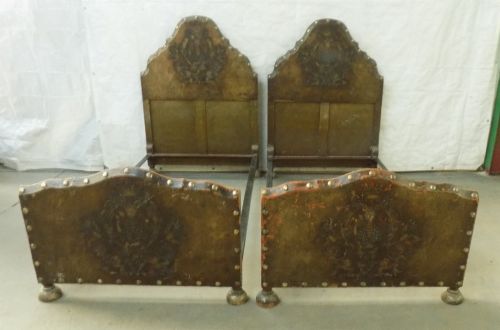
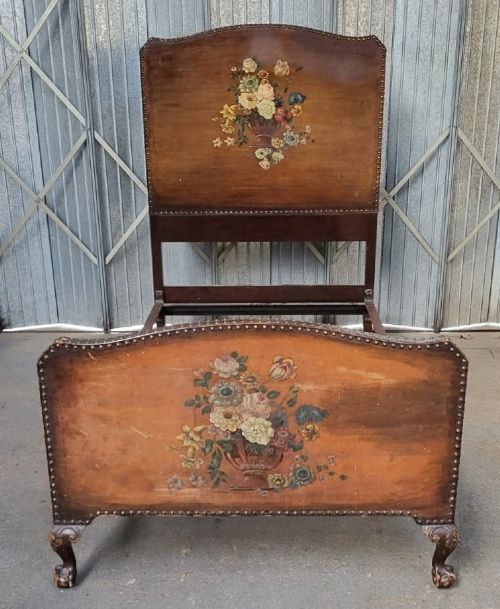
When you search for antique leather beds, you encounter a selection of nineteenth and early twentieth century sleeping furniture and associated items such as painted leather bedsteads. These pieces showcase various regional interpretations, including Dutch style designs and embossed panels originating from the Victorian and Edwardian eras.
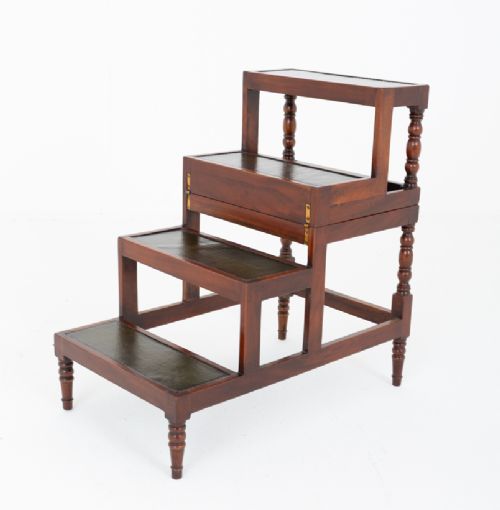
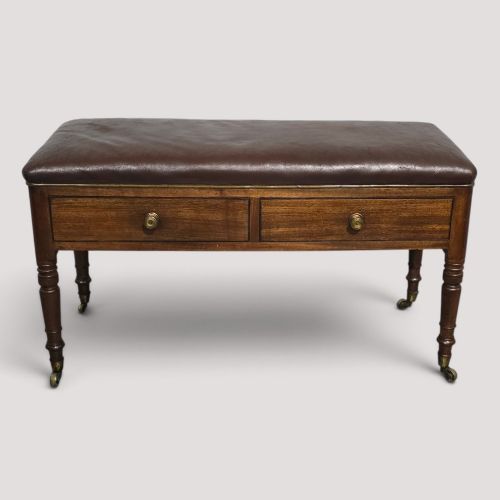
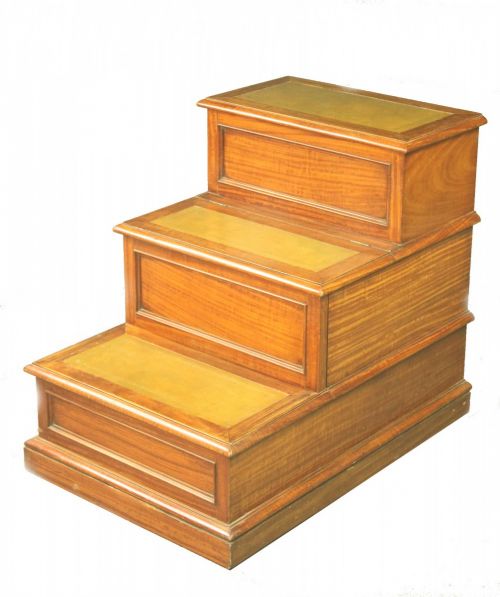
The assortment includes single size bedstead pairs, walnut single beds featuring painted leather inserts, and items attributed to specific retailers like Harrods. Alongside full sleeping frames, related furnishings like library steps and window stools often appear within this category of antique furniture.
Buyers are most likely to meet painted leather bedsteads from around nineteen hundred alongside robust timber frameworks from the eighteen nineties. These variations demonstrate how period makers utilised leather alongside traditional woods to create distinctive domestic sleeping quarters.
How they were made
Construction relies heavily on solid hardwoods such as mahogany, walnut, satinwood, and general timber frameworks to provide structural integrity. Makers shaped these woods into bedstead frames, window stools, and multi-tiered library steps using traditional joinery methods.
Leather forms the primary decorative and functional surface, frequently appearing as hand painted panels or embossed coverings inset into the wooden structures. Brass detailing and hardware often complement these leather and timber combinations across various pieces.
Antique Leather Beds Retail Price Guide 2026
Typical asking prices for leather beds among the pieces listed under this phrase on Sellingantiques today, from the lower quarter to the upper quarter. They describe what is for sale here now, not the wider market.
Listings feature items spanning the nineteenth century, Regency period, eighteen ninety, nineteen hundred, nineteen twenty, and the Edwardian era.
What varies in quality
Quality separates through the finesse of the hand painting on the leather panels and the selection of fine timbers like satinwood and figured walnut. Pieces featuring detailed embossing or superior joinery display a higher level of workshop execution.
The integration of the leather upholstery with the underlying wooden frame dictates the overall cohesion of the piece. Masterful construction ensures that materials such as brass and timber align seamlessly to endure decades of domestic use.
J. Jarvis·Harrods
The Antique Leather Beds Glossary
- Bedstead
- The framework of a bed, excluding the mattress and bedding. This forms the main structural support for antique sleeping furniture.
- Embossed Leather
- Leather that has been ornamented with raised designs using stamps or pressure. This technique adds tactile texture to headboards and panel inserts.
- Library Steps
- A set of portable wooden stairs formerly used to reach high bookshelves. They frequently share material characteristics with bedroom furniture of the same period.
- Satinwood
- A durable, yellowish wood prized for its lustrous grain and smooth finish. Cabinet makers utilised it for fine decorative elements on nineteenth century furniture.
- Window Stool
- A long seat designed to fit beneath a window recess. These seating pieces often match the stylistic vocabulary of contemporary bedsteads.
Antique Leather Beds: Frequently Asked Questions
What are antique leather beds made from?
These beds combine timber frameworks, such as mahogany, walnut, satinwood, and general wood, with leather panels. Brass fittings and hand painted designs frequently accent the primary materials.
Craftsmen utilised these durable substances to ensure the structural longevity of the bedstead while offering distinct visual appeal through the leather upholstery.
How do I identify a Dutch style bedstead?
Dutch style bedsteads typically feature hand painted leather panels incorporated into the headboard or footboard design. They often date from the Edwardian era around nineteen hundred.
These pieces reflect specific continental design influences popularised in British interiors during the late nineteenth and early twentieth centuries.
Can I use standard mattresses with antique beds?
Historic bedframes often feature non-standard dimensions compared to modern manufacturing standards. Custom mattress solutions are frequently necessary to fit the internal dimensions correctly.
Buyers should measure the interior frame carefully before acquiring modern bedding or support slats for historical sleeping furniture.
How do I care for antique leather panels?
Leather panels require stable environmental conditions away from direct sunlight and excessive moisture to prevent drying and cracking. Gentle dusting helps maintain the painted surfaces over time.
Avoiding harsh chemical cleaners preserves the original pigment on hand painted or embossed leather sections.