




Antique Lead Art
These antique lead art pieces range from Georgian cistern panels to heavy Art Deco crystal, offering substantial weight and historic craftsmanship.
Antique Lead Art
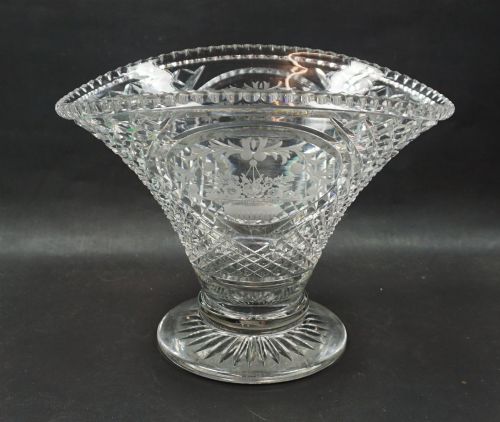
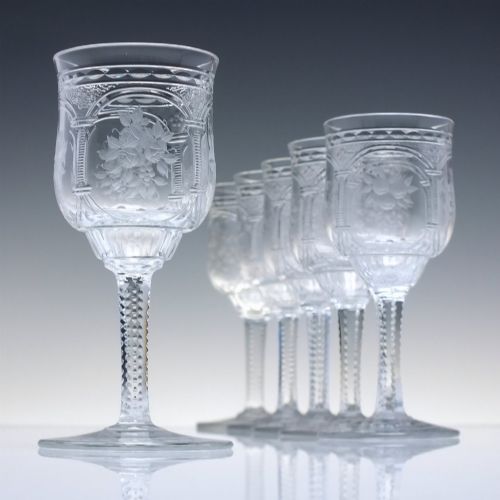
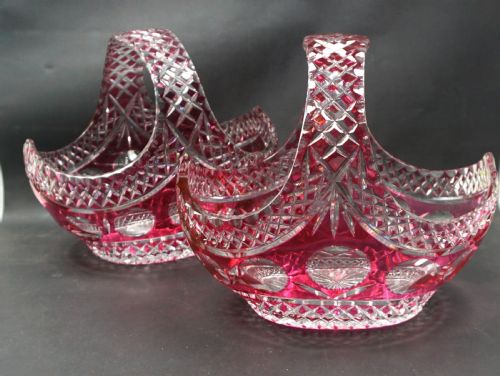
When you search for antique lead art, you encounter a varied assortment spanning decorative lead cistern panels, cast lead bronzed roundels, and heavy lead crystal glassware. These items bridge utilitarian metalwork, architectural elements, and fine glass vessels produced across multiple centuries.
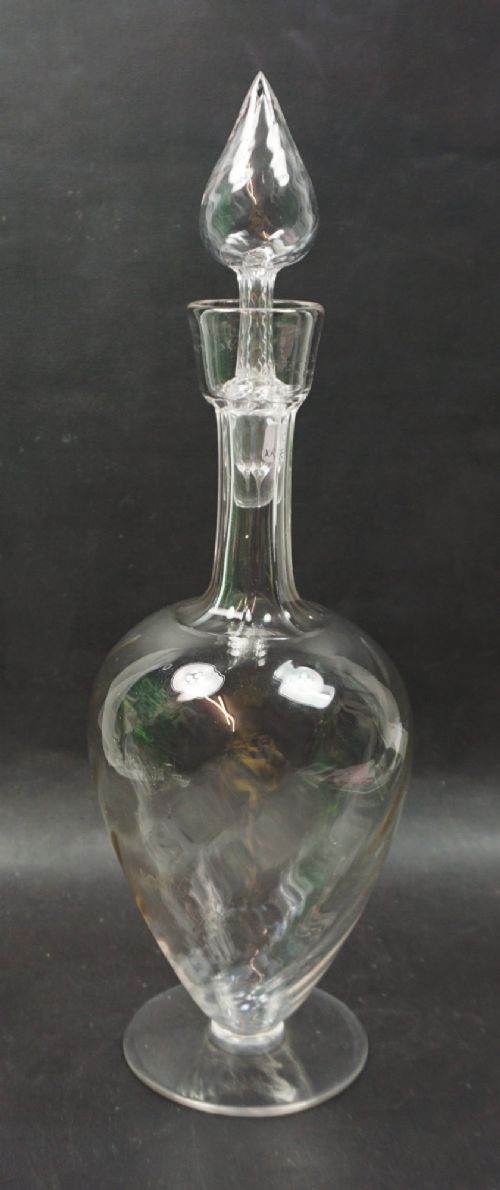
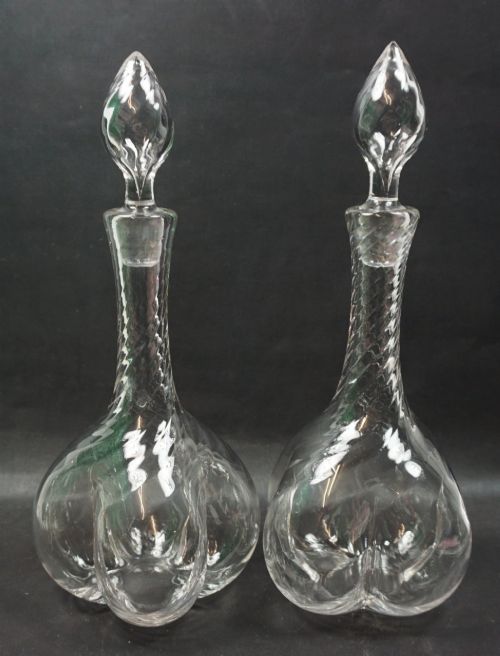
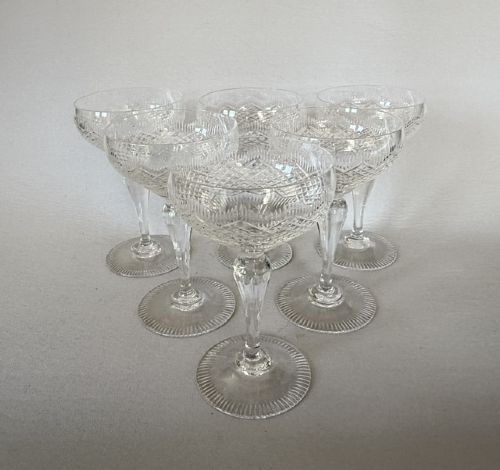
The selection on this page relies heavily on heavy lead crystal decanters, dram glasses, and table lamps alongside utilitarian slipware and architectural panels. Buyers find domestic glass and metalwork rather than standalone sculptural lead figures.
Origins stretch from seventeenth-century Dutch ceramics to early twentieth-century Bohemian hand-enamelled lead crystal and British glassworks. Pieces reflect distinct domestic and architectural uses from Georgian, Victorian, and Art Deco periods.
Materials and construction methods
Makers utilised lead crystal alongside standard glass, incorporating heavy lead content to allow deep hand-cutting and optical clarity in vessels and lamps. Cast lead and bronze-patinated lead served for architectural panels and roundels.
Glassware benefited from optical blowing, hand-cutting, and enamel decoration as seen in Bohemian and Belgian productions. Metal and ceramic items combined traditional casting, slip-glazing, and framed mahogany surrounds.
Antique Lead Art Retail Price Guide 2026
Typical asking prices for lead art among the pieces listed under this phrase on Sellingantiques today, from the lower quarter to the upper quarter. They describe what is for sale here now, not the wider market.
Materials span lead, lead crystal, glass, paper, watercolour, brass, and slip-glazed ceramics.
Factors of quality and execution
Quality rests upon the crispness of the hand-cut facets in heavy crystal and the depth of relief in cast metal panels. Superior items demonstrate precise cutting, clear signatures or attributions, and well-preserved surface patination.
The integration of materials, such as turned mahogany frames enclosing cast lead roundels or heavy lead crystal paired with enamel, dictates the refinement of the piece. Lesser examples display softer edges in glass cutting and simpler, unrefined casting.
Baccarat Vallee·Val St Lambert·Stuart Crystal·Maple and Co·James Powell·Karl Palda
The Antique Lead Art Glossary
- Lead crystal
- Glass containing a significant proportion of lead oxide, which increases weight, brilliance, and refractive index. This material permits sharper hand-cut facets than standard soda glass.
- Plumbago
- An early form of graphite pencil drawing on prepared paper or vellum. These monochrome portraits emerged particularly during the Georgian period.
- Slipware
- Pottery decorated with a liquid clay slip applied before firing, frequently seen on seventeenth-century Dutch jugs and jars. The technique creates smooth, glossy surfaces.
- Roundel
- A circular decorative panel or medallion. Examples in this field utilise cast lead with a bronzed finish, often housed in turned timber frames.
Antique Lead Art: Frequently Asked Questions
What is lead crystal?
Lead crystal is a heavy glass variety containing lead oxide that increases refractive index and brilliance.
This material allows artisans to execute deep, sharp hand-cut patterns suitable for decanters and glassware.
How are lead panels used?
Lead cistern panels and architectural elements served functional roles in water storage and building decoration during the Georgian era.
Today, collectors mount these heavy cast panels as decorative wall art to display historical craftsmanship.
How do I identify Art Deco crystal?
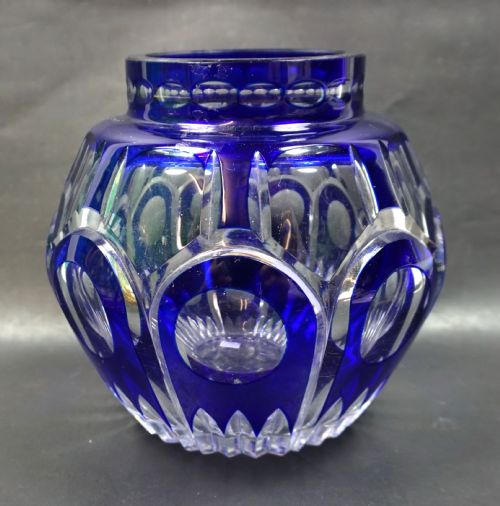
Art Deco crystal pieces feature geometric hand-cut patterns, heavy lead composition, and occasional enamel highlights.
Bohemian and Belgian makers dominated this period with bold, structured forms and vibrant glass colours.