


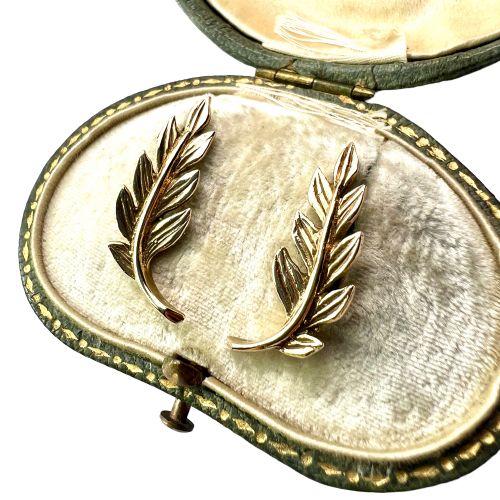


Antique Laurel Wreath
An antique laurel wreath brings classical triumph and enduring botanical symbolism into a room through cast bronze, silver gilt, and carved gilt wood.
Antique Laurel Wreath
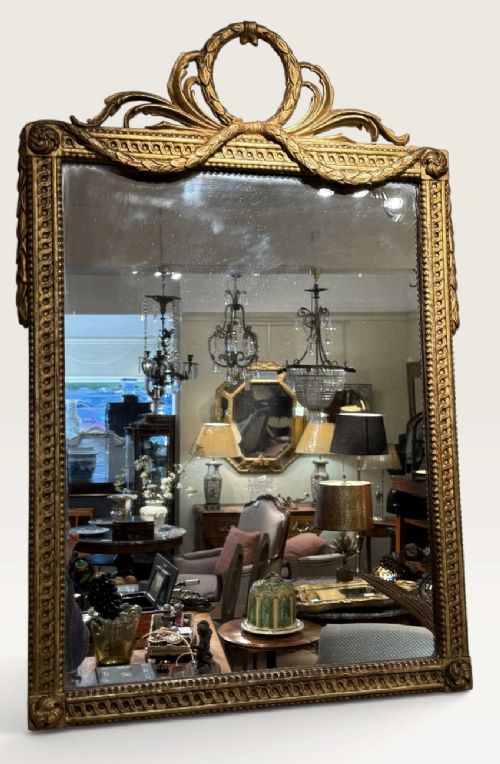
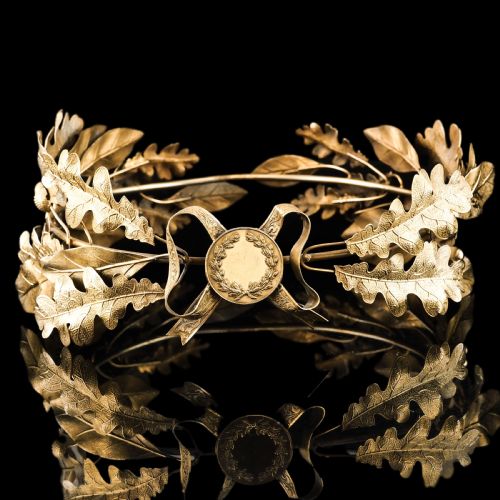
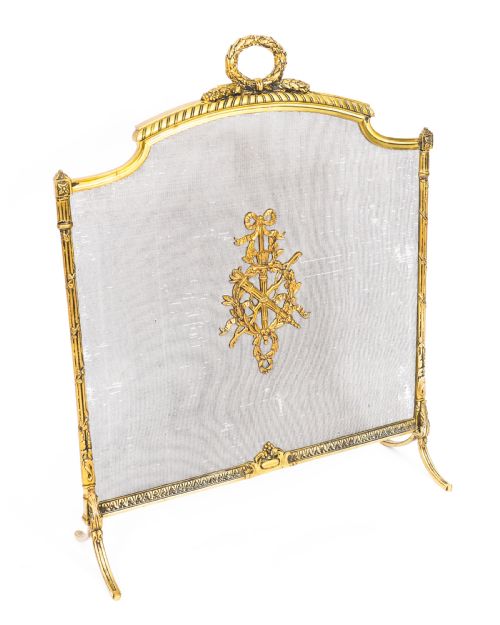
When you search for an antique laurel wreath, you encounter a surprisingly varied group of objects spanning the nineteenth and seventeenth centuries, though nineteenth-century pieces dominate the selection. These items range from ceremonial silver gilt crowns and cast iron or bronze door knockers to gilded wood mirrors, fire screens, and table lamps bearing classical foliage.
The aesthetic leans heavily on Neoclassical, Regency, French Empire, and Victorian Neoclassical styles, reflecting a long-standing European fascination with classical antiquity. You are most likely to meet these botanical motifs integrated into larger decorative and architectural forms, such as the frieze of an overmantel mirror or the framing of a wall mirror.
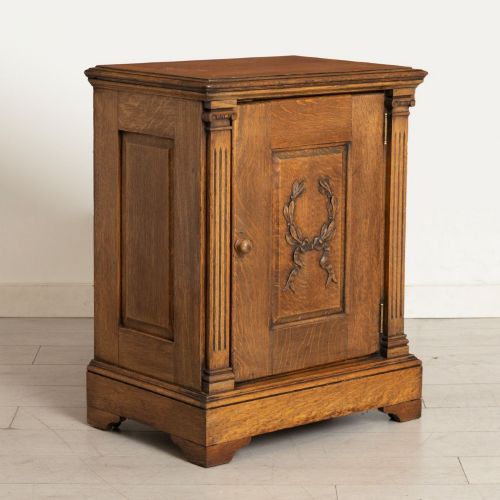
Beyond mirrors and hardware, the evidence shows sculptural applications like garden plinths and coin boxes associated with French makers. Each piece demonstrates how makers of the period adapted the ancient symbol of victory and remembrance into domestic and decorative furnishings.
How they were made
Makers of these pieces utilised traditional casting and gilding techniques to render the distinctive overlapping leaves of the foliage. Cast bronze and iron provide the robust structure for door knockers and hardware, while gesso and gilt wood form the luminous surfaces of mirrors.
Precious metals appear through sterling silver, gold vermeil, and silver gilt, often worked into delicate foliate wreaths or paired with acorn motifs. Oak and stoneware provide the structural support for larger functional objects like cupboards and garden pedestals from the period.
Antique Laurel Wreath Retail Price Guide 2026
Typical asking prices for laurel wreath among the pieces listed under this phrase on Sellingantiques today, from the lower quarter to the upper quarter. They describe what is for sale here now, not the wider market.
A French empire copper table lamp enlists rams' heads and laurels to illuminate the room.
What varies in quality
The distinction between ordinary and exceptional pieces lies in the crispness of the leaf chasing and the depth of the casting. Finer items exhibit sharply defined veins in the foliage and well-preserved gilding that catches the light without appearing flat or overworked.
Material choice also dictates the tier of the piece, moving from standard cast iron utility to intricate silver gilt work and hand-carved gilt wood frames. The integration of the botanical motif into the wider design, whether a griffin frieze or a torch-form fire screen, shows the designer's command of proportion.
Frederic Boucheron
The Antique Laurel Wreath Glossary
- Silver gilt
- Silver that has been coated with a thin layer of gold. This technique gives the object the rich appearance of solid gold while utilising a sturdy silver base.
- Vermeil
- High-quality silver plated with gold. French pieces frequently employ this method to achieve a warm, durable finish.
- Gesso
- A plaster-like mixture applied to wood surfaces as a base for gilding. It allows carvers to achieve smooth, rounded contours beneath the gold leaf.
- Frieze
- A broad horizontal band of sculpted or painted decoration. In mirrors, it often houses the laurel wreath motif alongside other classical elements.
- Neoclassical
- A style reviving classical Greek and Roman forms. It informs the symmetry and botanical detailing seen across nineteenth-century furnishings.
Antique Laurel Wreath: Frequently Asked Questions
What is an antique laurel wreath?
An antique laurel wreath is a decorative object or architectural motif shaped like the traditional foliate crown of antiquity. The listings show these motifs appearing in nineteenth-century silver crowns, bronze door knockers, and gilt wood mirror frames.
These pieces draw on Neoclassical and French Empire styles, translating classical symbolism into domestic items for nineteenth-century interiors.
How were laurel wreath items used?
Items bearing this motif served both decorative and symbolic functions in historical homes. Smaller pieces functioned as door hardware or commemorative boxes, while larger examples adorned mirrors and fire screens.
The inclusion of the foliage often signaled a classical taste, referencing academic triumphs and imperial aesthetics popular during the Regency and Victorian eras.
How do I style a laurel wreath piece?
Integrating these items into a modern or traditional interior works best when the metallic finish complements existing hardware and lighting. Gilt wood mirrors and bronze fire screens anchor a room with distinct nineteenth-century character.
Placing smaller items like door knockers or silver gilt pieces on display lets the detailed foliage serve as a focal point without overwhelming the space.
How do I date a laurel wreath item?
Dating relies on identifying the material, manufacturing technique, and stylistic markers recorded in the evidence. Pieces range from seventeenth-century drawings to nineteenth-century cast iron, stoneware, and gilt bronze items.
Examining the casting quality, the type of gilding used, and specific period markers like Regency griffin friezes helps narrow down the decade of manufacture.