
Antique Landscape
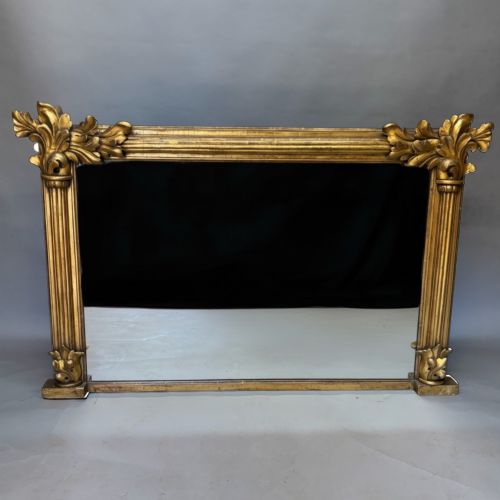
An antique landscape brings the depth of past centuries into a room through oil on canvas, watercolour, and carved giltwood.
Antique Landscape
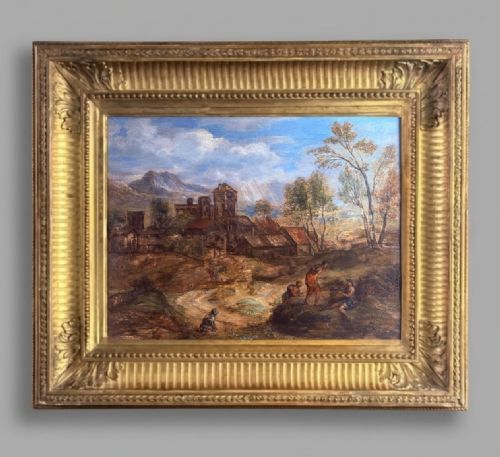
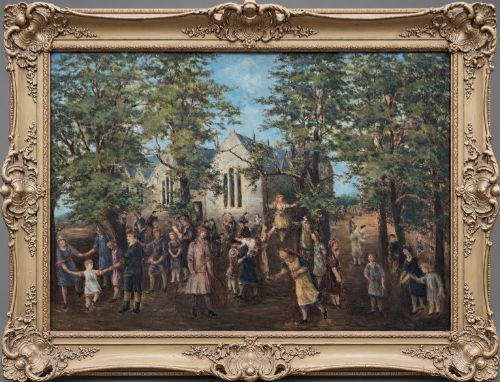
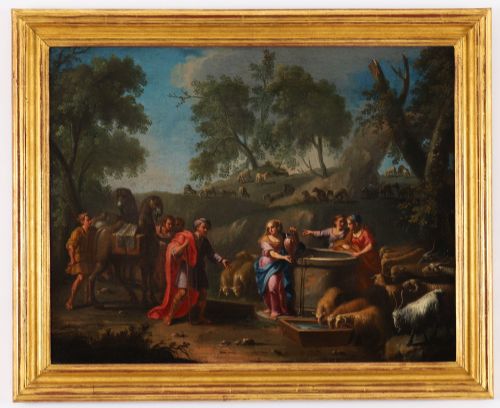
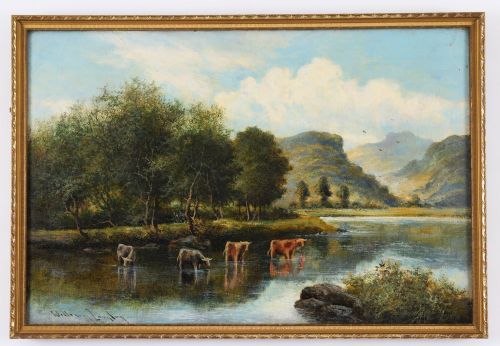
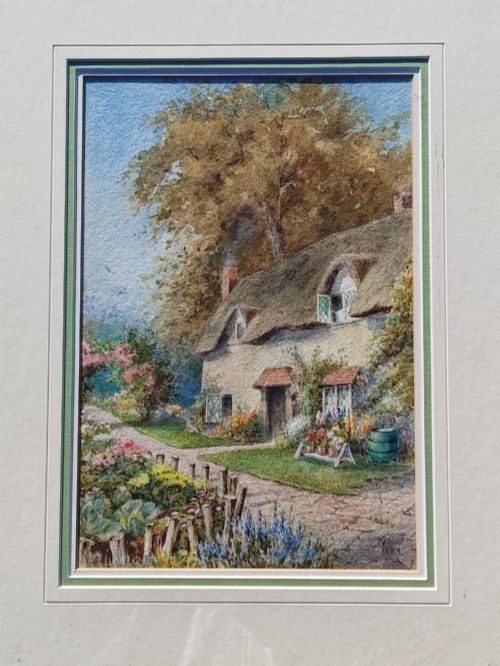
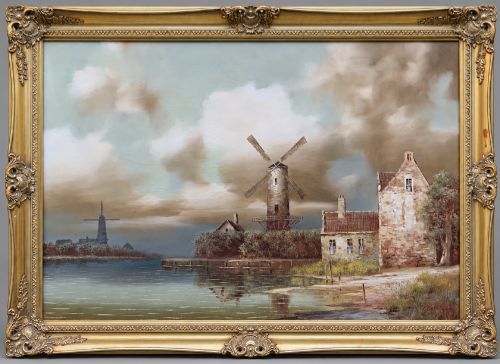
An antique landscape represents the natural world, pastoral scenes, and architectural vistas captured by artists across several centuries.
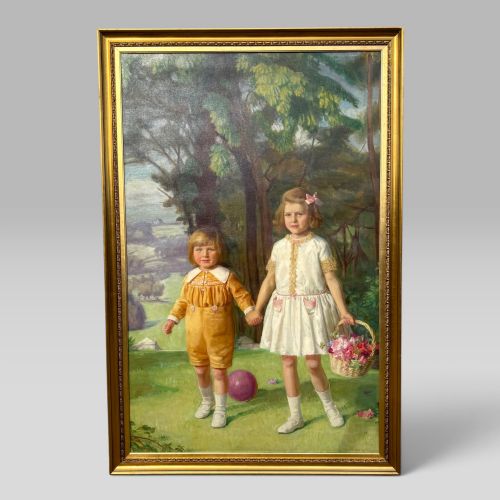
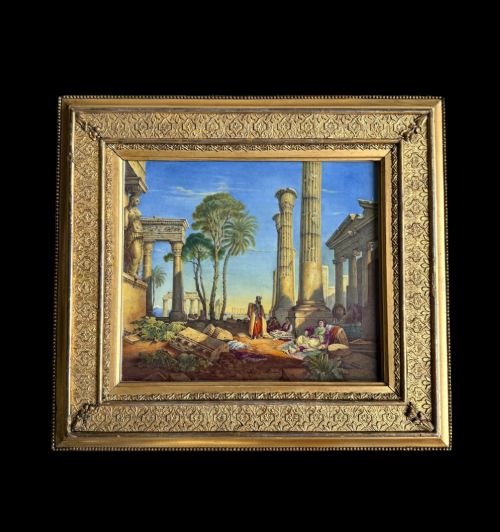
The versions most commonly met on this page span the seventeenth, eighteenth, and nineteenth centuries, taking the form of framed oil paintings, watercolours, and occasionally porcelain plaques.
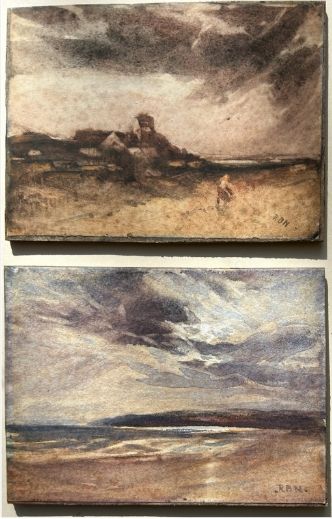
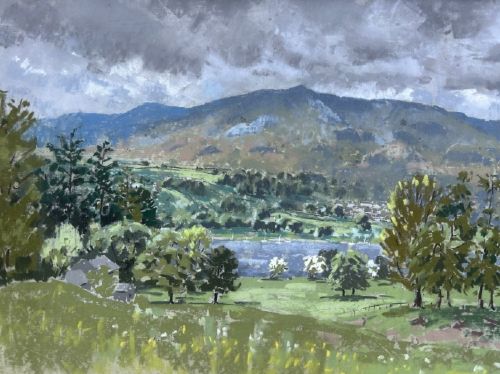
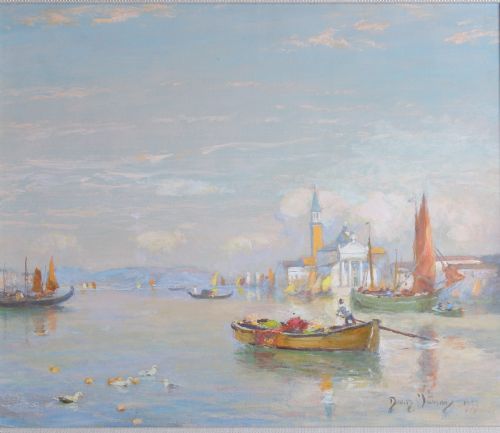
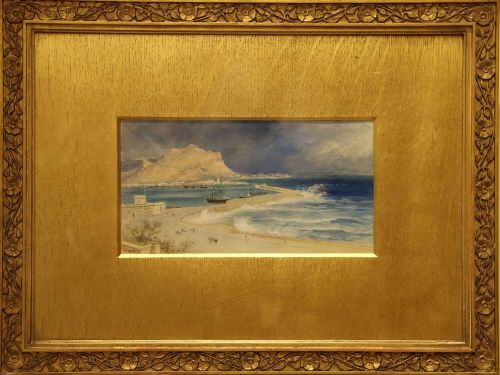
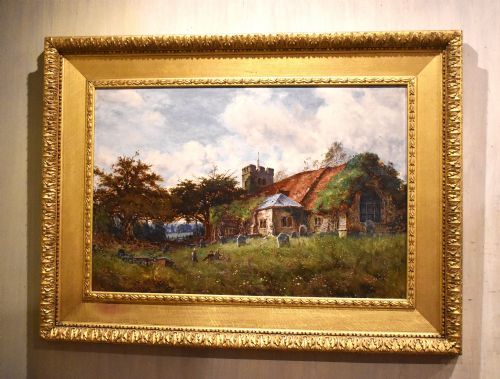
Subjects range from Dutch shipping scenes and Italian coastal harbours to rural English farmyards and Scottish hills.
How they were made
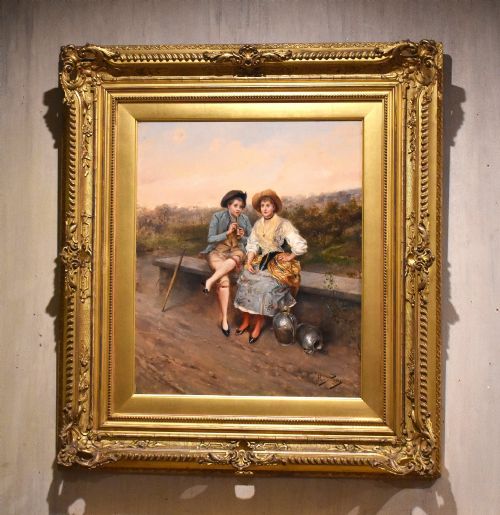
Painters applied oil and watercolour pigments onto stretched canvas, wood panels, paper, or card, often finishing the work with protective layers of varnish.
Frames are constructed from wood and gesso, frequently finished with hand-applied gilt leaf to create decorative borders.
Porcelain plaques and bough pots received hand-painted enamel decoration before undergoing kiln firing.
Listings feature works from the seventeenth, eighteenth, nineteenth, and twentieth centuries, executed in oil, watercolour, and pastel.
What varies in quality
The strength of the composition and the precision of the brushwork separate ambitious studio pieces from simpler decorative works.
Original frames matching the period of the artwork hold greater visual integrity than later replacements.
The reputation of the artist and the clarity of the provenance elevate certain examples above standard anonymous works.
George F Bird·Sir David Murray RA·James Elliot·Alonso Perez·Jacob Philipp Hackert·Samuel Joseph Clark·Edward Holmes RBA·William Langley·Thomas Rowden·Willem J Palman·Hugh Barry-Scott·William Manners·Karel Dujardin·Barent Gael·E Steele·F Staple·Philip H Rideout·Edmund Bristow·Benjamin Barker of Bath·Flight Barr and Barr
The Antique Landscape Glossary
- Giltwood
- Wood carved and coated with gold leaf or metallic powder to create a reflective golden finish.
- Oil on Canvas
- Pigment mixed with drying oils applied to a woven fabric support stretched across a wooden frame.
- Watercolour
- Paint made from pigments suspended in a water-soluble binder, typically applied to paper.
- Dutch School
- A grouping of artists working in the Netherlands during the seventeenth century, known for atmospheric realism.
- Panel Painting
- An artwork executed on a flat piece of wood rather than stretched canvas.
Antique Landscape: Frequently Asked Questions
What subjects appear in antique landscapes?
The subjects include river valleys, mountain ranges, coastal harbours, and pastoral farmyards populated by cattle, sheep, and figures.
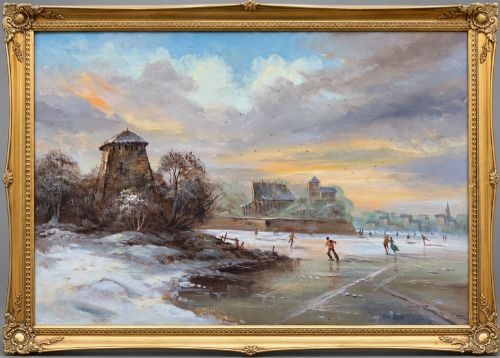
Artists also depicted historic ruins, shipping vessels in rolling seas, and winter ice-skating scenes.
How do I care for an oil painting?
Keep the artwork away from direct sunlight and fluctuating humidity to protect the canvas and the wooden stretcher behind it.
Dust the surface gently with a dry, soft brush and avoid using chemical cleaners on the paint or the gilt frame.
Are watercolours framed differently from oils?
Watercolours and works on paper require glass protection and acid-free mounts to prevent moisture and light damage.
Oil paintings on canvas or panel are generally displayed open to the room without glass covering.
How can I tell the period of a frame?
Period frames often display hand-carved gesso ornamentation, corner mitres showing age, and underlying timber that matches the era of the artwork.
Later replacement frames tend to use modern fixings and lack the subtle wear of centuries past.