

Antique Lady Miniatures
Antique lady miniatures capture the likenesses of women in small, intimate formats that span several centuries of portraiture.
Antique Lady Miniatures
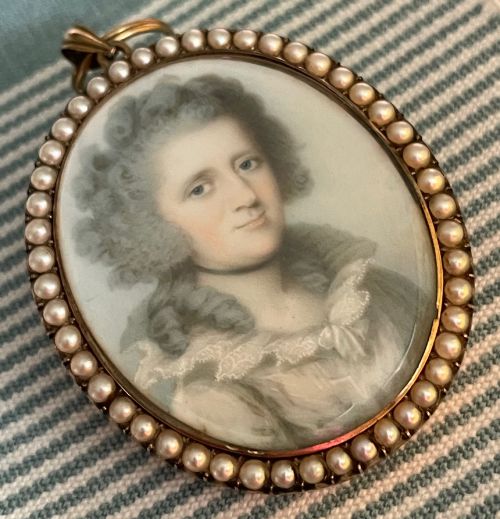
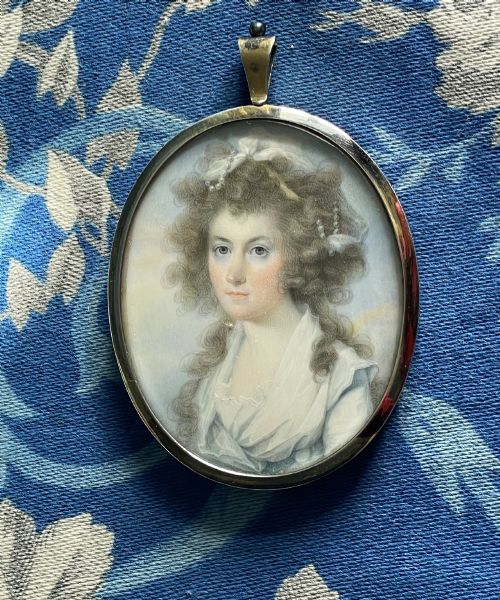
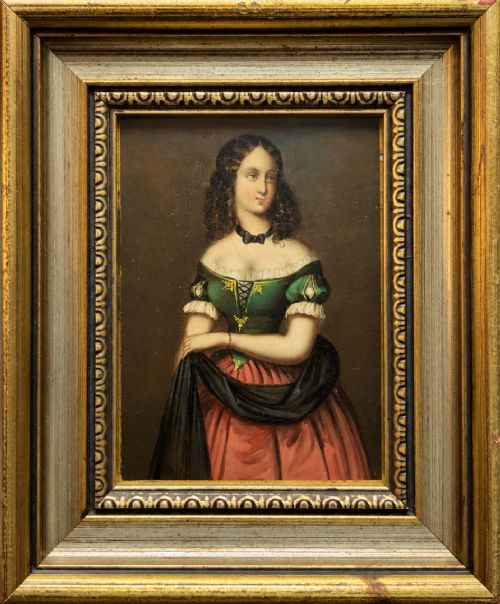
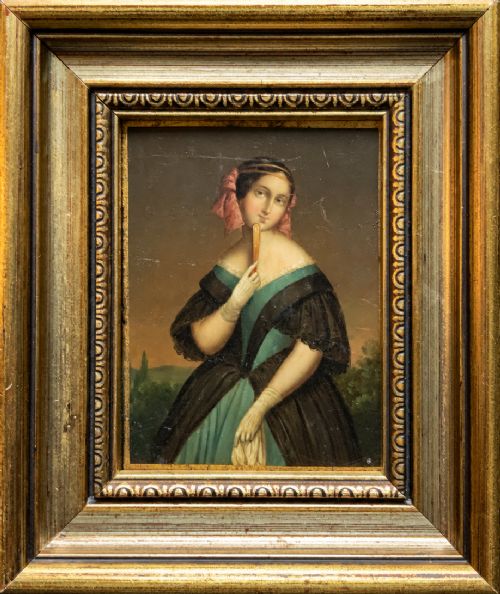
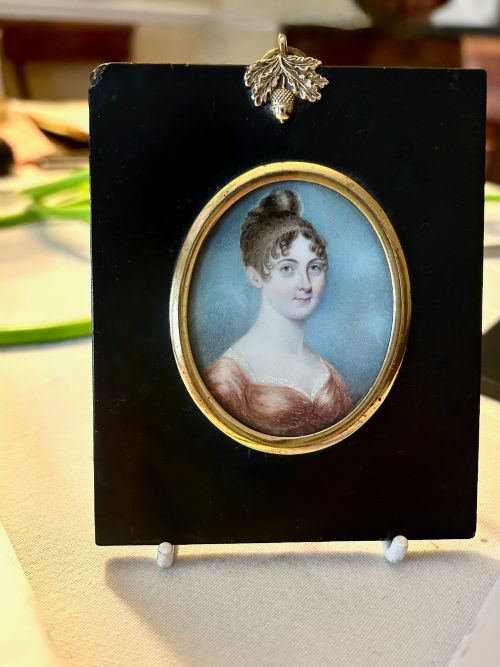
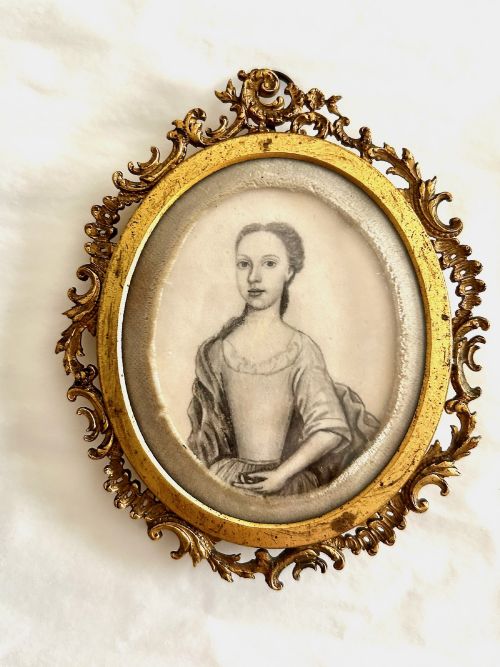
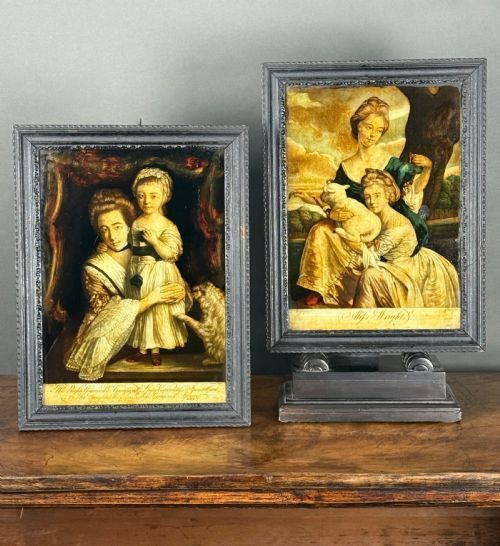
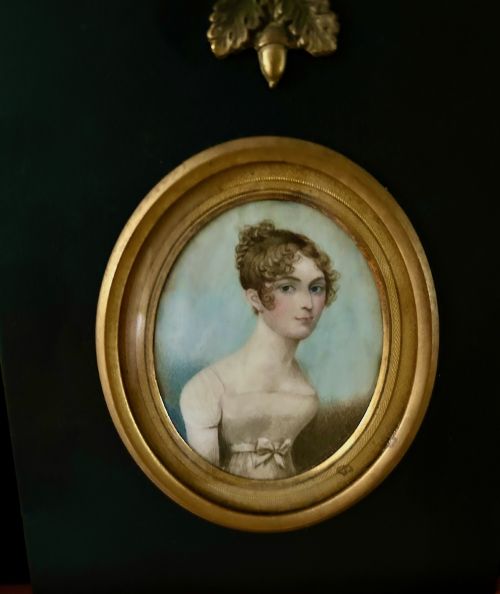
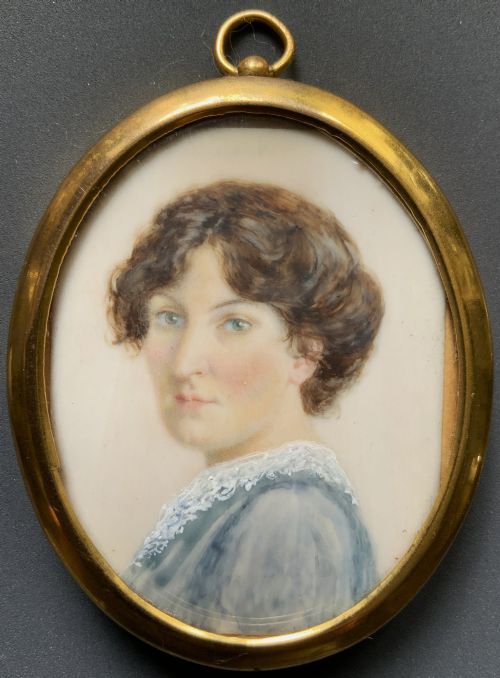
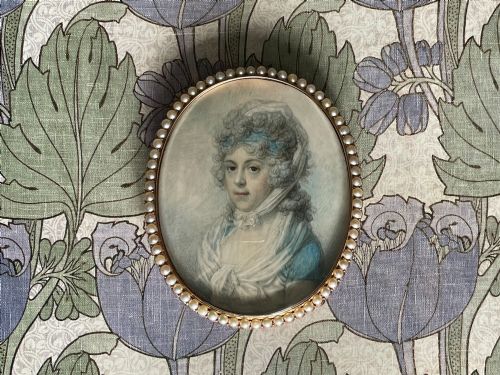
Antique lady miniatures are small framed portraits depicting female sitters across various historical periods including the Georgian, Regency, and Victorian eras. These delicate works take the form of paintings, watercolours, pastels, reverse glass mezzotints, and silhouettes.
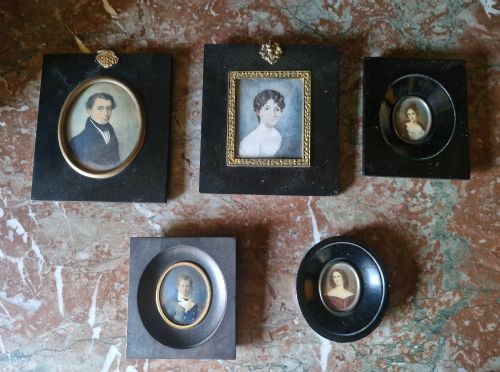
Buyers encounter subjects painted on paper or housed in small oval and rectangular formats. Many pieces preserve the likeness of named individuals or character studies from British and French schools.
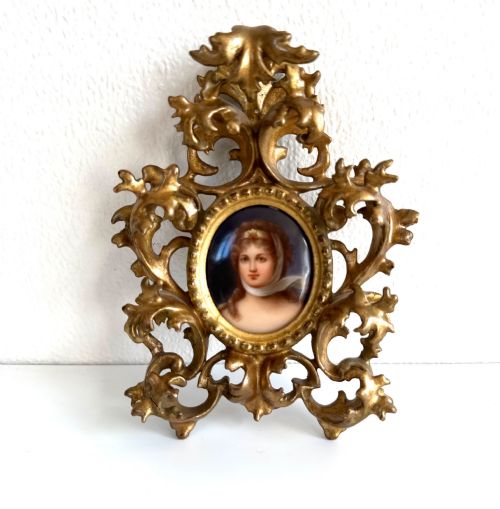
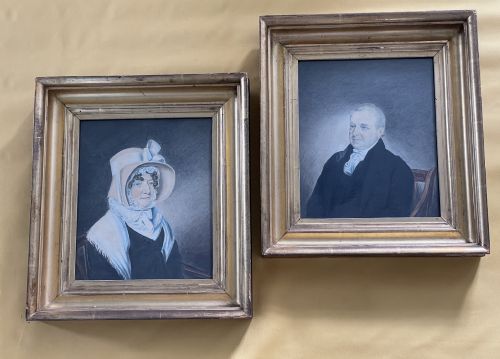
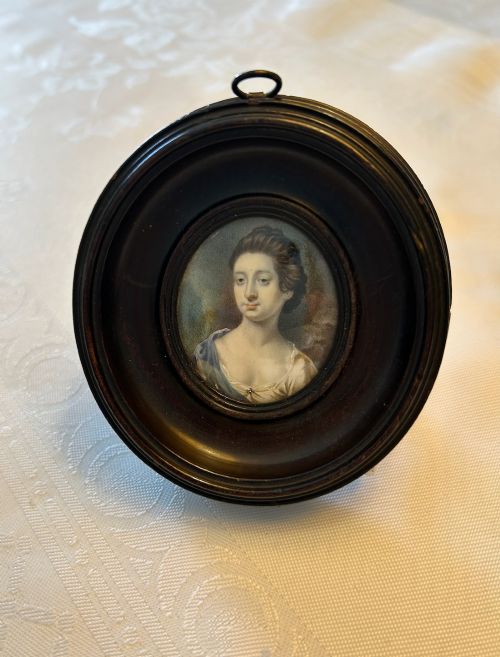
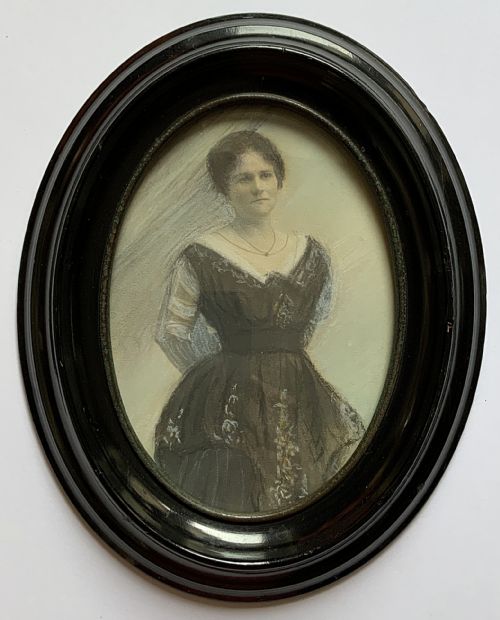
The objects frequently arrive in period surrounds such as ebonised wood, gilt wood, and maple frames. Smaller decorative items, such as miniature display desks, occasionally appear alongside the wall art and paintings.
How they were made
Artists painted these small portraits using watercolour, pastel, gouache, and oil on paper or ivory. Technical precision defined the work, capturing delicate details like lace collars, coral beads, and ringlets in restricted spaces.
Framing required specialised materials to protect the delicate surfaces, utilising brass surrounds, glass panels, and heavy giltwood or ebonised wood moulding. Silhouettes utilised ink, paint, or gilded paper to define profile likenesses against contrasting backgrounds.
Antique Lady Miniatures Retail Price Guide 2026
Typical asking prices for lady miniatures among the pieces listed under this phrase on Sellingantiques today, from the lower quarter to the upper quarter. They describe what is for sale here now, not the wider market.
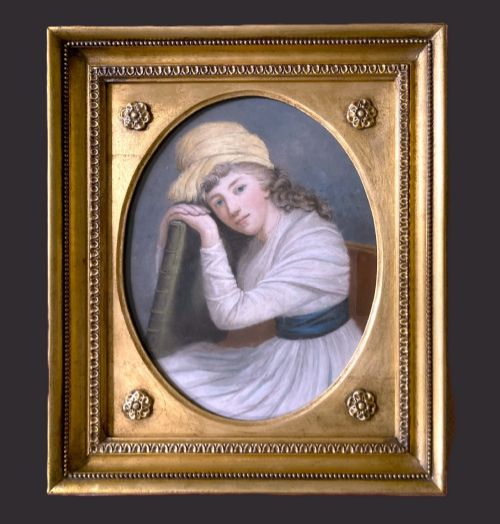
Several ladies wear turbans.
What varies in quality
The integrity of the original housing influences desirability, with period-correct brass mountings, rosewood, and gilt frames contributing to the historic character of the piece.
John Donaldson·James Ferguson·Frederick Buck·Richard Cosway·William Naish·Nicolas Freese·George Atkinson·George Hargreaves·Archibald Skirving·Thomas Woolnoth·Henry Jacob Burch·Ozias Humphry·Edward Smyth
The Antique Lady Miniatures Glossary
- Miniature portrait
- A small-scale painting designed to be held in the hand or hung in a compact domestic space. These works require immense technical skill due to their restricted dimensions.
- Reverse glass mezzotint
- An image transferred and painted directly onto the underside of a glass panel. This technique creates a luminous surface finish characteristic of eighteenth-century print methods.
- Silhouette
- A solid, filled-in profile portrait typically cut from black paper or painted in monochrome on a light background. These studies rely entirely on contour to capture the likeness of the sitter.
Antique Lady Miniatures: Frequently Asked Questions
How were antique lady miniatures displayed?
These small artworks hung on parlour walls in tight clusters or sat on surfaces within protective glazed frames. Their compact scale allowed owners to move them easily between rooms.
Some examples resided inside bespoke desk compartments or travelled as personal tokens. Today, collectors display them on panel walls or dedicated tabletop easels.
How can I tell the period of a miniature?
Clothing styles, hairstyles, and framing materials offer the clearest chronological markers for these portraits. High-waisted gowns indicate the Regency period, while elaborate lace and powdered hair point toward Georgian origins.
Frame construction and backing materials also assist in dating the object. Ebonised and rosewood frames frequently accompany nineteenth-century examples.
Where were most of these artists working?
Many recorded practitioners operated within British and French artistic schools during the eighteenth and nineteenth centuries. Portraitists maintained studios in major urban centres to serve affluent clientele.
Signed works frequently attribute the output to specific regional artists active in Scotland or London. Unsigned pieces often reflect the broader output of contemporary portrait painters.