


Antique Knot Jewellery
Antique knot jewellery unites sentiment and craftsmanship through enduring loops of gold, silver, pearl and enamel.
Antique Knot Jewellery
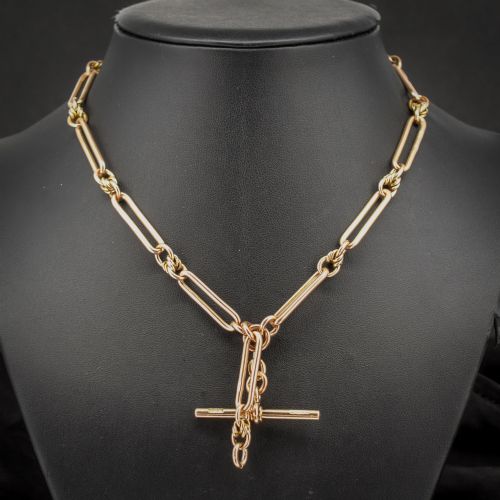
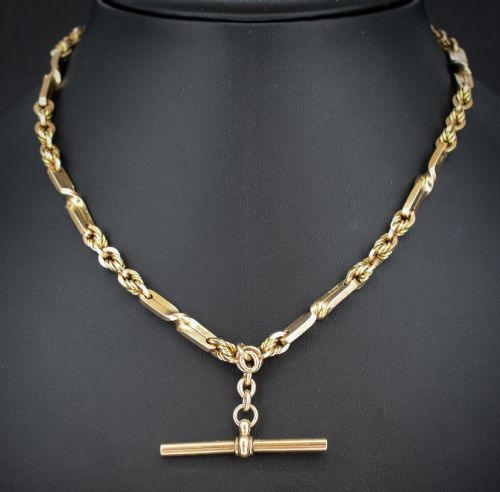
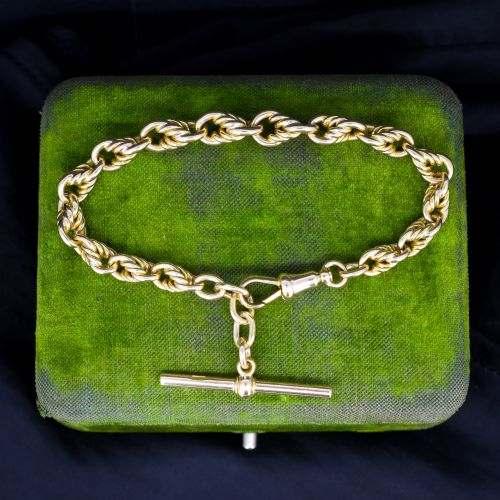
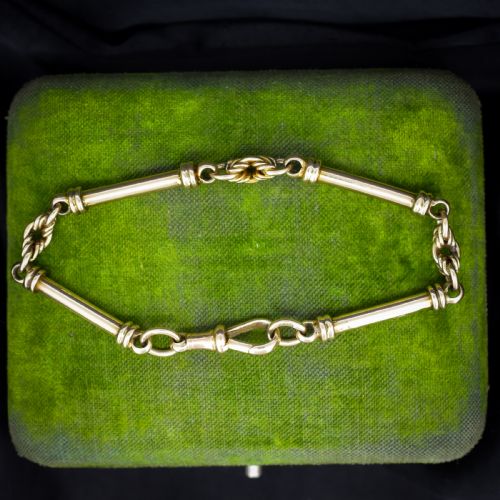
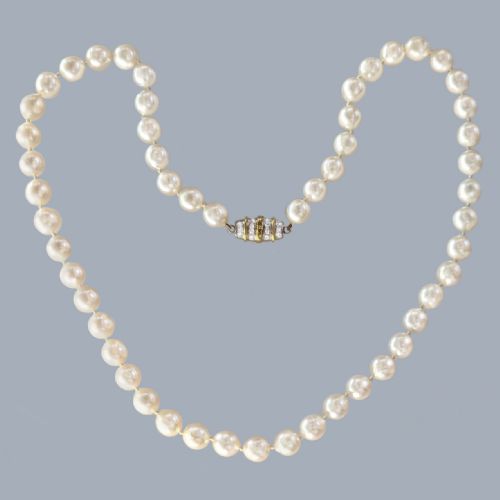
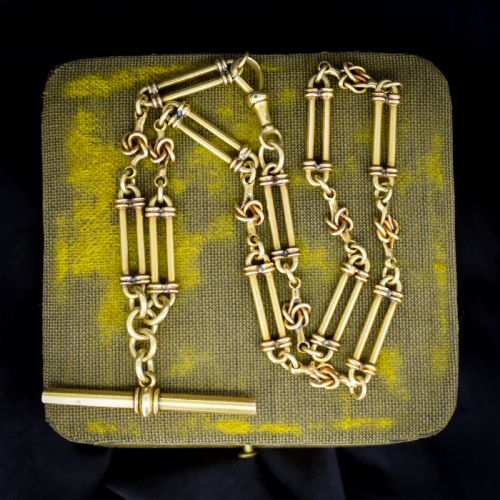
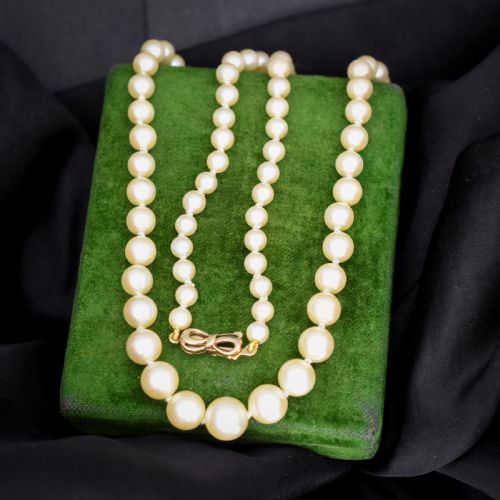
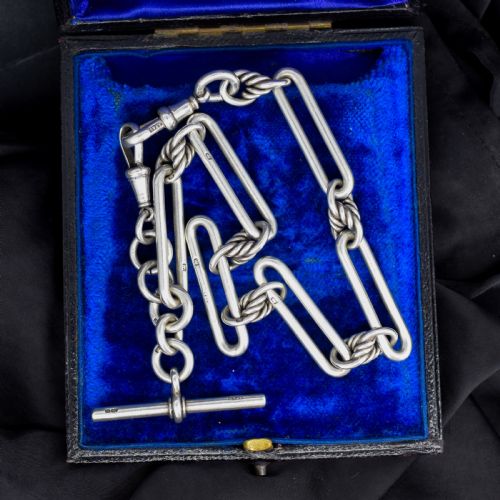
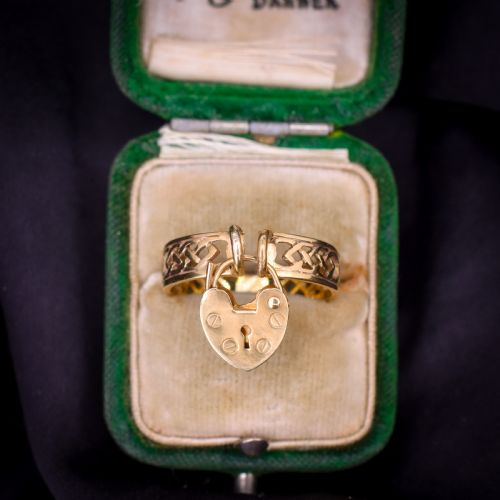
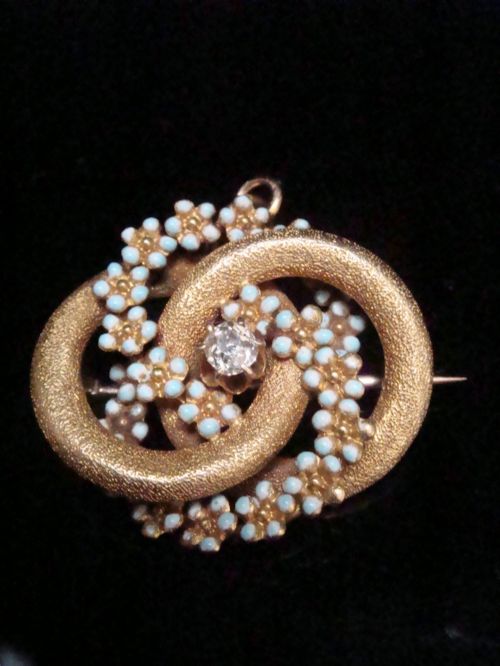
The love knot and the true lover's knot dominate the forms seen here, often integrated into heavy Albert chains, flexible link bracelets or delicate pendants. Gemstones such as turquoise, pearls, diamonds and garnets regularly accent these knotted designs.
How these pieces were made
Makers fashioned antique knot jewellery primarily in sterling silver and various grades of gold, including nine carat, fifteen carat and eighteen carat variations in yellow and rose hues. These precious metals were drawn into wire, cast into links or beaten into solid mounts.
Vivid colour often enters through vitreous enamel panels or carefully chosen gems like peridot, opal and agate, while individual components like dog clips and trombone links provide structural integrity.
Listings feature precious metals spanning sterling silver alongside nine, fifteen and eighteen carat gold in yellow and rose varieties.
What varies in quality
Quality in antique knot jewellery rests upon the crispness of the wirework, the weight of the gold or silver, and the secure integration of stones like pearls, turquoise and diamonds. Pieces that retain their original clasps, dog clips and uncompromised structural links command greater regard.
The level of artistic execution marks the tier of a piece, distinguishing standard production watch chains from masterworks by designers associated with the Arts and Crafts movement.
Archibald Knox·Liberty and Co·Murrle Bennett
The Antique Knot Jewellery Glossary
- Albert chain
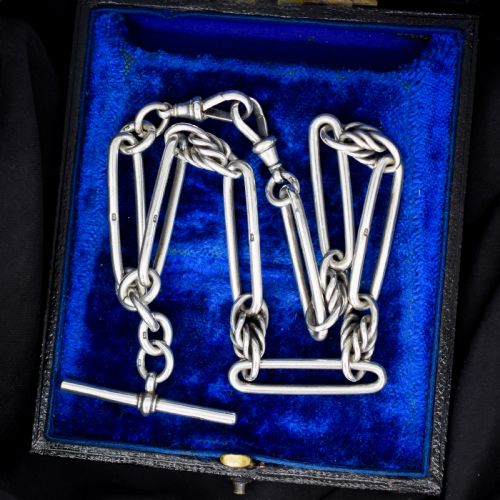
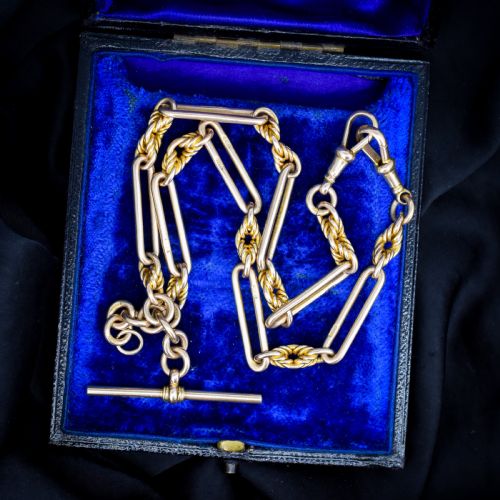
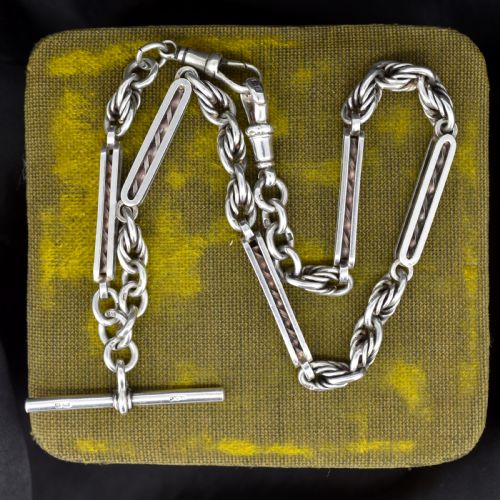
- A heavy watch chain designed to be worn across a waistcoat or fashioned as a necklace, frequently incorporating love knot links and trombone sections. These practical chains formed a staple of nineteenth and early twentieth-century gentlemanly attire.
- True lover's knot
- A symbol formed by two interwoven overhand knots that create a secure and complex loop representing unbreakable bonds. Jewellers rendered this motif in twisted gold wire and silver across brooches and bracelets.
- Dog clip
- A spring-loaded swivel fastening commonly found on nineteenth-century watch chains and charm bracelets. This sturdy mechanism allowed owners to attach pocket watches or pendants securely.
- Trombone link
- An elongated, rectangular metal link with folded corners, frequently alternating with knot links in period watch chains. The design derives its name from its visual similarity to the musical instrument.
- Vitreous enamel
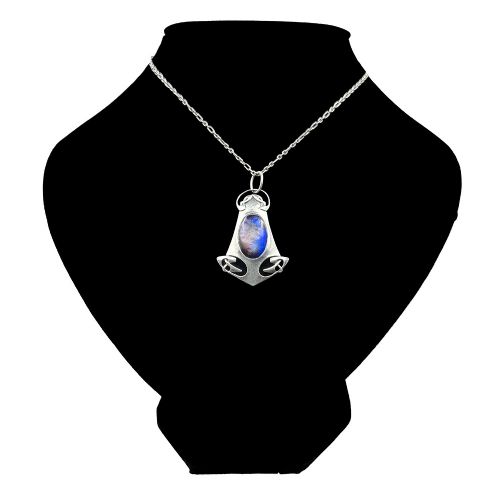
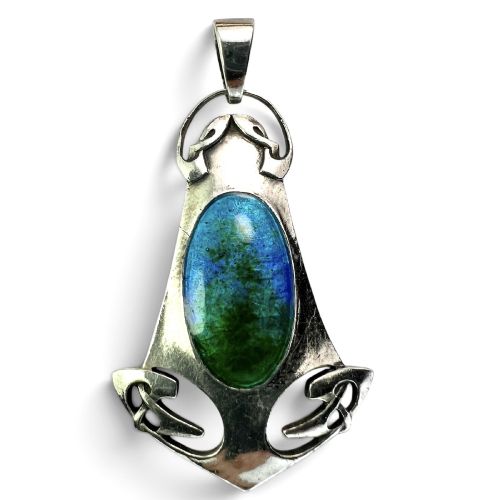
- A glossy substance fused to metal through high-temperature firing, notable in Arts and Crafts pendants. This technique added deep blues and greens to silver framework.
Antique Knot Jewellery: Frequently Asked Questions
What does an antique knot symbolise?
These looped designs represent lasting affection, fidelity and the binding together of two individuals. Victorians placed profound meaning in such symbolism, often pairing knots with hearts and serpents.
Jewellery bearing these motifs served as personal tokens exchanged between family members, friends or romantic partners during significant life events.
How do I wear an antique Albert chain?
Originally designed to secure pocket watches to waistcoats, these substantial chains transition easily into contemporary necklaces. Many examples include dog clips that allow the wearer to add or remove pendants.
Shorter lengths sit close to the collarbone, while longer versions offer versatility when doubled or layered with other strands.
What is the difference between Victorian and Edwardian knots?
Victorian knot pieces tend to feature heavier gold, substantial gemstones like garnets and almandine, and sentimental inclusions such as seed pearls and turquoise. These creations lean towards romanticism and rich colour palettes.
Edwardian and Arts and Crafts examples often utilise lighter silver frames, cooler diamond settings or vibrant blue enamelwork produced by distinct artistic workshops.
Are pearls and turquoise secure in old jewellery?
Natural pearls and turquoise set into nineteenth-century pieces require gentle care due to their organic and porous nature. Avoiding immersion in water and harsh chemicals preserves their lustre over decades of wear.
Settings from this era generally rely on peg and glue methods or fine claw work, meaning careful handling ensures the stones remain firmly in place.