




Antique Kitchen Ceramic
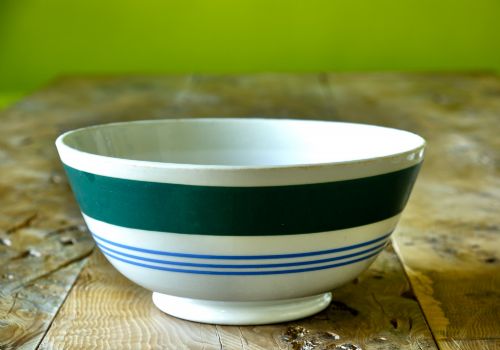
Antique kitchen ceramic pieces bring honest utility and warmth to a room, ranging from heavy stoneware dishes to banded mixing bowls.
Antique Kitchen Ceramic
When you search for antique kitchen ceramic, you encounter practical vessels and utilitarian wares made for preparation, storage, and daily domestic life. The selection spans earthenware and stoneware items originating from periods such as the Victorian and Edwardian eras, alongside mid-century kitchenalia.
You are most likely to meet mixing bowls, dairy bowls, jelly moulds, and biscuit barrels, often bearing the marks of honest, everyday service. These functional objects combine solid mass with straightforward domestic design, reflecting the needs of past kitchens.
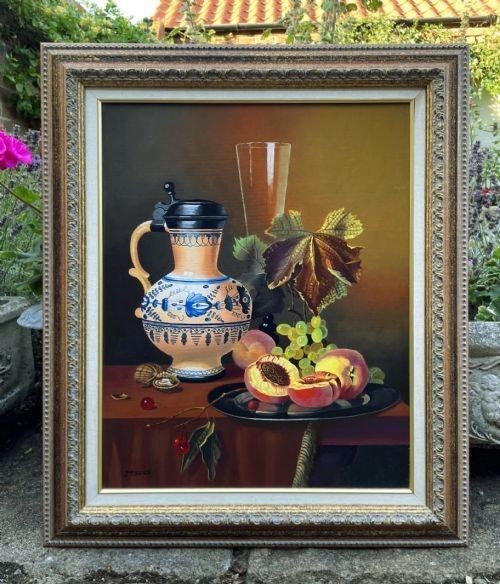
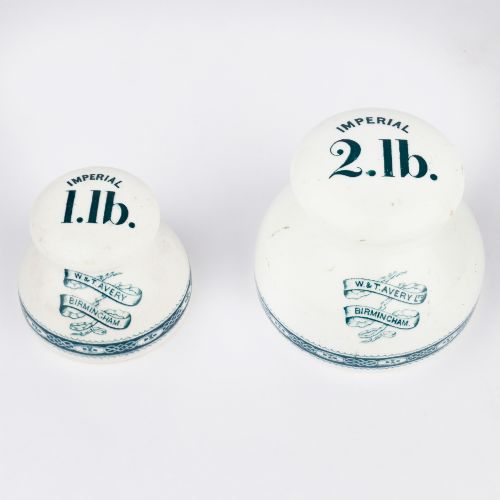
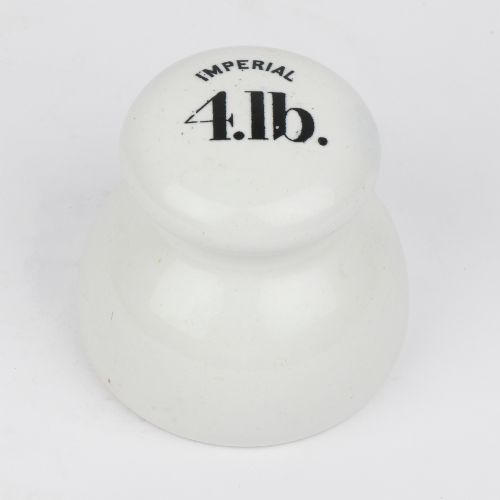
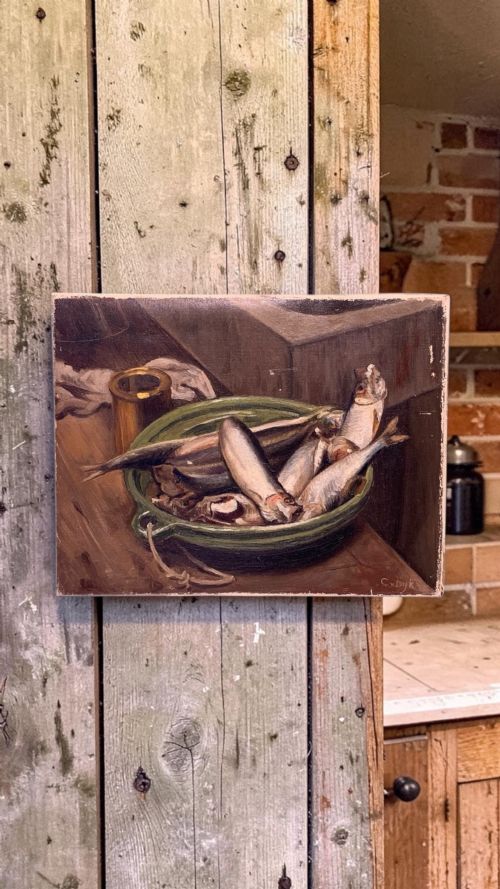
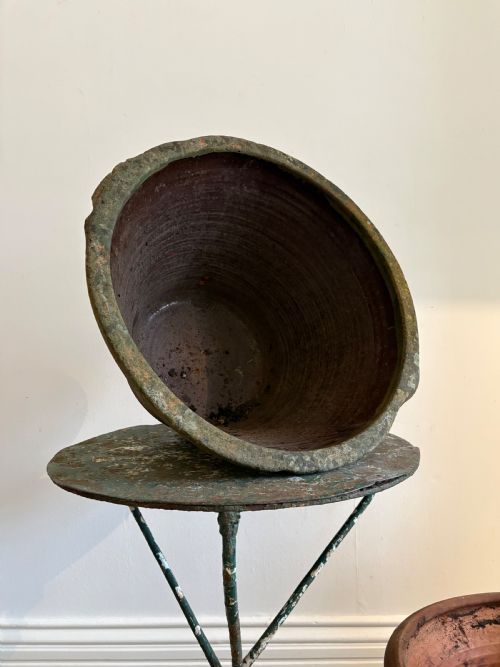
The inventory also includes water filter urns, cooking dishes, and ceramic weights, demonstrating how household tasks relied on durable fired earth. Alongside these vessels, related paintings and wooden furniture occasionally appear in the wider kitchen and still life category.
Materials and technique
The pieces rely primarily on durable earthenware and heavy stoneware, chosen for their ability to withstand the demands of daily food preparation and storage. Potters shaped these bodies on the wheel or pressed them into moulds, creating thick walls designed for resilience.
Glazes provide a practical, impermeable surface inside bowls, jars, and moulds, often featuring simple banded decoration or rich colour. Stoneware items benefited from high-firing temperatures that vitrified the clay, making them watertight without complex ornamentation.
Antique Kitchen Ceramic Retail Price Guide 2026
Typical asking prices for kitchen ceramic among the pieces listed under this phrase on Sellingantiques today, from the lower quarter to the upper quarter. They describe what is for sale here now, not the wider market.
A wild boar mould waits patiently among the jelly forms, ready to turn supper into a woodland adventure.
What varies in quality
Quality in these utilitarian items rests on the crispness of moulded detail and the evenness of the glaze application. Pieces retaining clear maker stamps or well-defined relief patterns demonstrate superior craftsmanship from established potteries.
The physical condition and structural integrity of heavy earthenware and stoneware dictate desirability, as daily use in busy kitchens often left chips and hairline cracks. Examples that survive with minimal wear and intact, unblemished interiors represent the better end of the range.
W & T Avery·T G Green·Wedgwood
The Antique Kitchen Ceramic Glossary
- Earthenware
- Porous pottery fired at lower temperatures, typically requiring a glaze to hold liquids. It forms the body of many traditional kitchen bowls and jelly moulds.
- Stoneware
- Dense, non-porous ceramic fired at high temperatures until the clay vitrifies. This material produces exceptionally durable cooking dishes and storage jars.
- Creamware
- Light-coloured earthenware developed in the eighteenth century with a transparent lead glaze. It gained popularity for domestic tableware and kitchen vessels.
- Jelly Mould
- Ceramic or metal form used to shape jellies and aspics, often featuring intricate interior designs. Victorian examples frequently depict fruit, animals, or floral motifs.
Antique Kitchen Ceramic: Frequently Asked Questions
How were ceramic jelly moulds used?
Victorian cooks used ceramic moulds to shape jellies, aspics, and blancmanges for the dining table. The intricate interior patterns transferred distinct motifs onto the set food.
After chilling, the cook would briefly dip the mould in warm water to release the contents intact. These pieces were both functional kitchen tools and decorative items displayed on dresser shelves.
What is a dairy bowl?
A dairy bowl is a wide, shallow earthenware or terracotta vessel designed for setting milk in dairies. The broad surface area allowed the cream to rise quickly to the top for skimming.
These heavy bowls often featured glazed interiors to maintain hygiene during the butter-making process. Today, their generous size makes them striking decorative centrepieces or fruit bowls.
How do I care for antique kitchen ceramics?
Wash antique earthenware and stoneware gently by hand using mild soap and warm water. Avoid harsh scrubbing or modern dishwashers, which can damage old glazes and weaken porous bodies.
Store heavy pieces on sturdy shelves where they are safe from accidental knocks. Allowing older ceramics to dry thoroughly after washing prevents moisture from lingering in any hairline cracks.
Can I still use antique stoneware for cooking?
Most antique stoneware and earthenware should not be used for modern cooking or baking. Thermal shock from contemporary ovens and stoves can easily crack aged, fragile clay bodies.
Instead, enjoy these pieces as decorative items or for serving dry goods. Their historic character adds warmth and authenticity to contemporary kitchen spaces.