


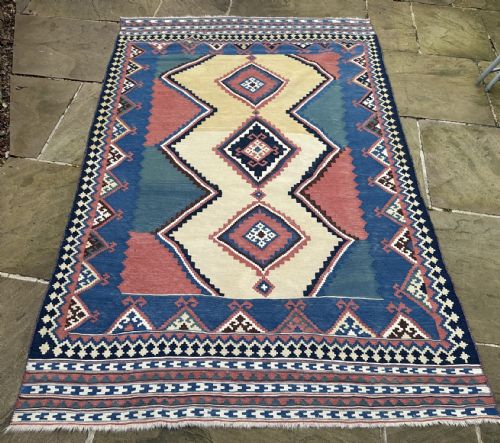
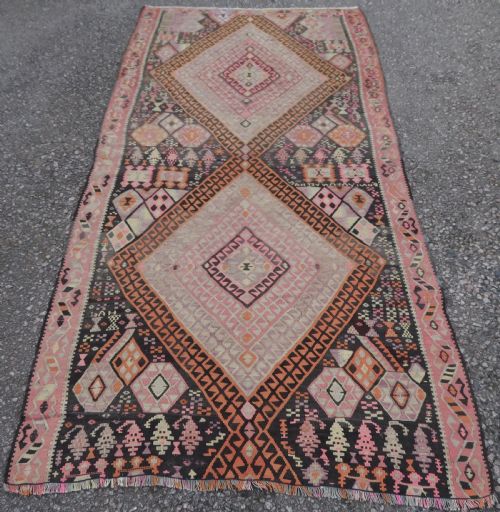
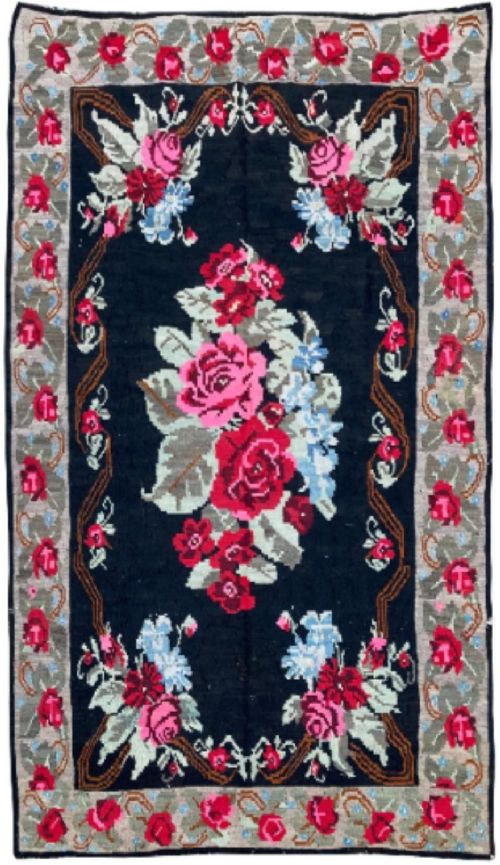
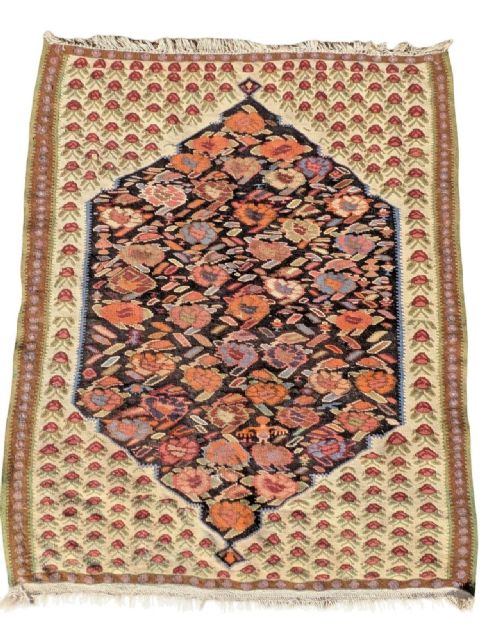
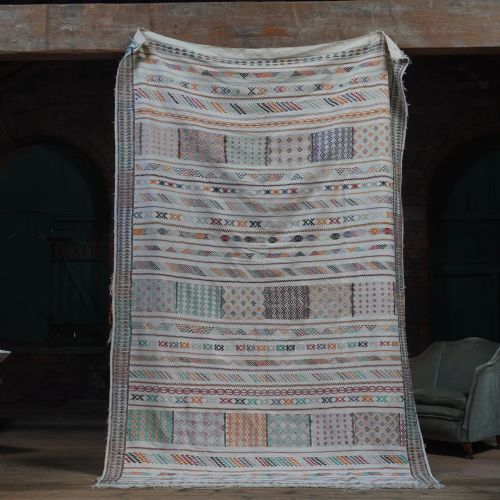


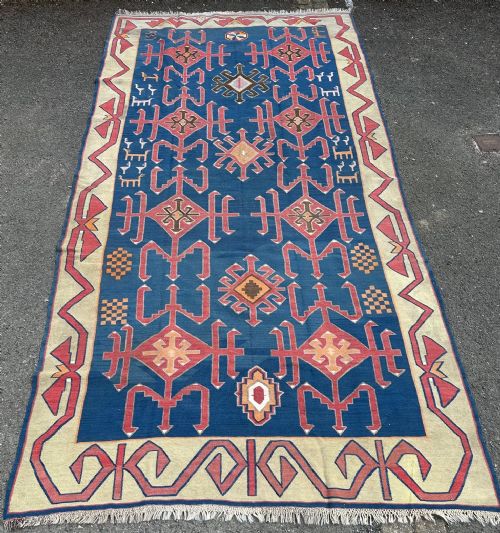

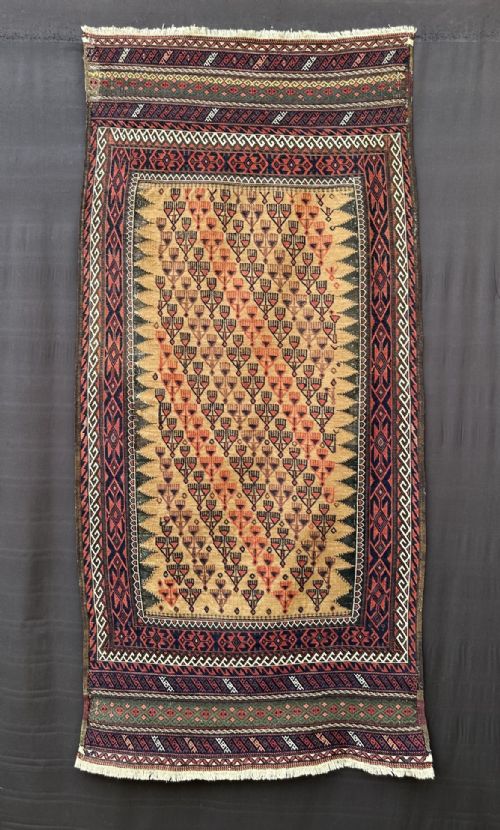


Antique Kilim Runner
An antique kilim runner brings flat-woven tribal textiles into narrow hallways and corridors, offering geometric patterns and rich regional character.
Antique Kilim Runner
An antique kilim runner is a flat-woven textile created by nomadic and village weavers across Persia, Turkey, the Caucasus, and Central Asia. These narrow, elongated pieces were traditionally utilised for domestic flooring, tent decoration, or functional household duties in pastoral communities.
The selections encountered here span from the late nineteenth century into the mid-twentieth century, capturing diverse tribal traditions including Baluch, Qashqa'i, Shahsavan, and Uzbek groups. Regional weaving centres and nomadic confederations each contributed distinct geometric vocabularies and structural formats to these floor coverings.
Makers produced these long carpets using slit-taperting and other flat-weave techniques, resulting in pileless textiles that sit flat upon the ground. Such formats suit modern corridors and narrow spaces where thick pile rugs might impede doors or heavy foot traffic.
How they were made
Weavers constructed these runners using hand-spun wool for the foundational warps and wefts, occasionally incorporating cotton for structural strength. Natural dyes derived from local plants, roots, and insects provided the palette, yielding deep madder reds, indigos, and earthy yellows that mellow gracefully over decades.
The production relied on interlocking weft techniques, where colour changes are wrapped around common warp threads to create sharp geometric transitions without adding bulk. Textile panels were frequently woven in separate narrow strips and subsequently stitched together side by side to achieve greater widths or lengths.
Antique Kilim Runner Retail Price Guide 2026
Typical asking prices for kilim runner among the pieces listed under this phrase on Sellingantiques today, from the lower quarter to the upper quarter. They describe what is for sale here now, not the wider market.
Several nomadic bread cloths carry faint traces of flour dust settled deep within the wool weave over a century ago.
What varies in quality
The calibre of an antique kilim runner depends largely on the tightness of the weave and the precision of the geometric execution. Tighter packing of the weft threads creates a durable, dense fabric that maintains structural integrity under regular use.
Colour harmonisation and dye saturation also differentiate examples, as skilled dyers achieved nuanced tones that age with considerable visual depth. Furthermore, the originality of the tribal motifs and the crispness of the border designs reflect the weaver's individual mastery within established regional canons.
The Antique Kilim Runner Glossary
- Kilim
- A flat-woven textile produced without a pile by tightly interweaving warp and weft strands. This construction method yields a lightweight, reversible fabric with distinct front and reverse characteristics.
- Warp
- The vertical stationary threads stretched tightly on a loom before weaving commences. These longitudinal elements form the foundational skeleton of the rug.
- Weft
- The horizontal strands passed alternately over and under the warp threads to build the pattern and fabric. In flat-weaves, these coloured threads completely conceal the vertical warps.
- Sofreh
- A dining or bread cloth traditionally used for serving meals or preparing dough within nomadic households. These functional textiles often display remarkable geometric designs akin to larger carpets.
- Slit-weave
- A common flat-weaving technique where the weft returns around the same warp without interlocking, creating a small vertical slit between different colour areas. Weavers manage these gaps carefully to maintain the textile's structural strength.
Antique Kilim Runner: Frequently Asked Questions
How do I clean an antique runner?
Gentle surface brushing and regular light vacuuming without a beater bar remove embedded grit from flat-woven wool textiles. Professional textile cleaners specialising in antique oriental rugs should handle any wet cleaning.
Water saturation and harsh commercial detergents risk mobilising historic natural dyes or weakening aged wool fibres. Keeping these runners in dry environments prevents moisture damage and preserves the structural integrity of the flat weave.
Where should I place a long runner?
Narrow hallways, corridors, and staircase landings provide ideal settings for long flat-woven carpets, protecting timber floors while adding graphic pattern. Kitchens and entryways also accommodate these durable textiles effectively.
Using a quality underlay beneath the flat-weave prevents slipping on smooth flooring surfaces and reduces friction wear against the backing. This simple addition extends the working life of vintage wool floor coverings in high-traffic zones.
How do I identify tribal origins?
Regional motifs, structural strip counts, and specific colour palettes offer key indicators for distinguishing between Persian, Caucasian, and Central Asian work. Baluch and Qashqa'i pieces often feature characteristic dark wools or vibrant geometric field arrangements.
Comparing border structures and secondary ornament against documented tribal weaving groups clarifies the likely provenance. Certain regions utilised specific joining methods or narrow multi-strip formats unique to their local weaving culture.
Are these rugs reversible?
Most flat-woven kilims present similar patterns on both sides because the technique creates an integrated structure without a hidden foundation. Minor structural knots or fastening threads usually remain visible on one designated reverse face.
Flipping the textile periodically distributes wear evenly across both surfaces over decades of domestic use. This practice helps maintain balanced exposure to light and foot traffic.