



Antique Jointed Bench
These antique jointed bench pieces and related stools are solid oak and yew wood seating built with pegged timber construction to last centuries.
Antique Jointed Bench
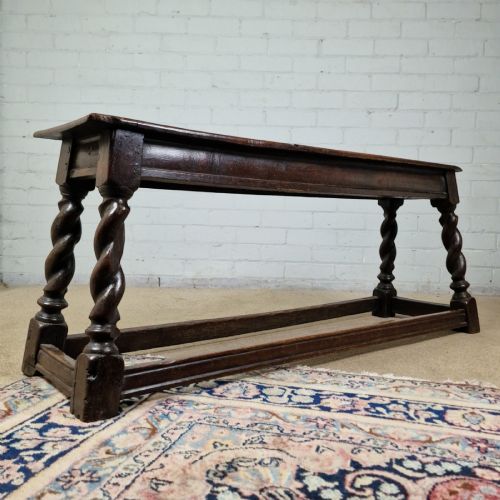
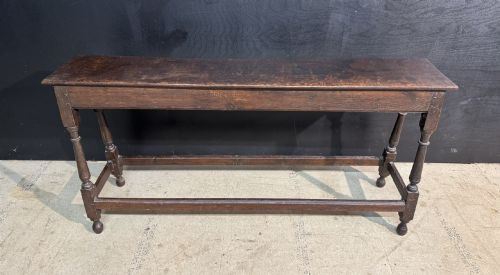
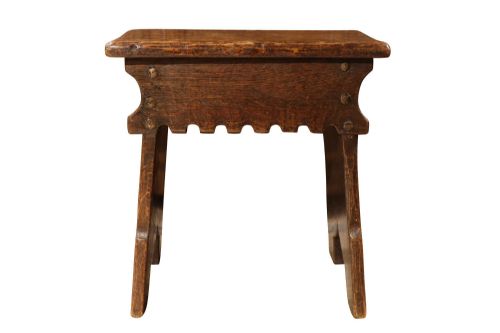
When you search for an antique jointed bench, you encounter sturdy seating primarily made from English oak, featuring pegged construction and heavy timbers. The pieces spanning this category range from long 19th century oak stools to 17th century oak joint stools and Gothic oak boarded stools of trestle form.
The version you are most likely to meet on this page is an oak joint stool or long stool dating from the 17th century through to the 19th century. These items showcase styles such as Jacobean, Georgian, and rustic farmhouse, reflecting utilitarian domestic furniture built for heavy daily use.
How they were made
Craftsmen built these pieces predominantly from solid oak and yew wood, utilising pegged construction methods where wooden pins secure the joints instead of modern metal fasteners. This rigid framing technique created exceptionally durable furniture capable of withstanding heavy weight and constant movement.
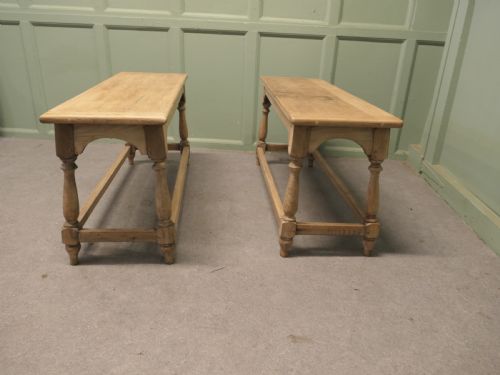
Surface treatments and materials varied according to period and utility, with some examples incorporating leather and metal studs, or appearing in bleached oak finishes. The joinery relied on tight mortise and tenon joints held fast by visible wooden pegs.
Antique Jointed Bench Retail Price Guide 2026
Typical asking prices for jointed bench among the pieces listed under this phrase on Sellingantiques today, from the lower quarter to the upper quarter. They describe what is for sale here now, not the wider market.
The furniture styles recorded here include Jacobean Revival, Gothic Revival, English Baroque, and rustic farmhouse.
What varies in quality
The distinction between ordinary utility pieces and finer examples rests on the integrity of the original timber and the survival of early pegwork. Pieces retaining their original surface patination and unreplaced oak structural elements command greater appreciation among collectors.
Proportion and execution also divide the range, separating standard country-made items from more deliberate stylistic revivals such as Jacobean and Gothic revival pieces. The presence of dense, heavy English oak and untouched historical surfaces defines the better end of the selection.
The Antique Jointed Bench Glossary
- Joint stool
- A sturdy wooden stool constructed with tight mortise and tenon joints pegged together, popular from the Tudor period through the 17th century.
- Pegged construction
- A method of joining timbers using handmade wooden dowels or pins rather than iron nails or modern adhesives.
- Jacobean style
- A heavy, formal design style popular during the early 17th century, characterised by dark oak and geometric turned legs, later revived in the 19th and 20th centuries.
- Trestle form
- A structural arrangement where the top is supported by upright side assemblies rather than four independent corner legs.
Antique Jointed Bench: Frequently Asked Questions
How were joint stools used historically?
These sturdy items served primarily as seating around the dining table or beside the hearth in early homes.
Because of their flat tops and solid build, they also functioned as portable surfaces for holding household objects or reaching higher shelves.
How do I date an oak stool?
Dating relies on examining the tool marks, timber shrinkage, construction style, and the type of wooden pegs used in the frame.
Earlier 17th century examples display hand-split oak and primitive joinery, whereas later 19th century and 1900 revival pieces often show more uniform machine sawing.
Are these pieces suitable for daily use?
Their original construction from solid oak and yew wood makes them remarkably sturdy and well-suited for everyday seating in modern interiors.
Placing them carefully in a home allows you to use them as occasional seats, low tables, or display stands without harming their historic fabric.