



Antique Joint Stool Bench
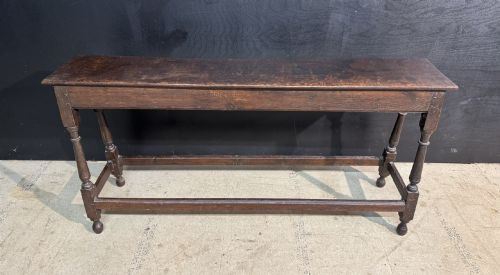
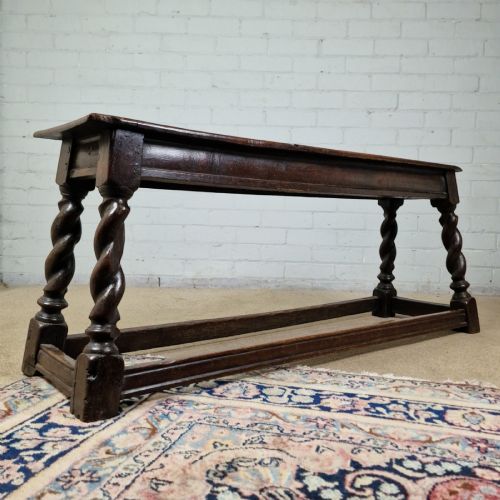
These sturdy seats known as an antique joint stool bench bridge the gap between simple vernacular seating and solid timber craftsmanship.
Antique Joint Stool Bench
An antique joint stool bench combines the timber framing methods of early domestic seating with proportions suited to multiple sitters or extended uses. When hunting for an antique joint stool bench, buyers encounter pieces spanning the seventeenth century through to the Edwardian era, alongside later interpretations.
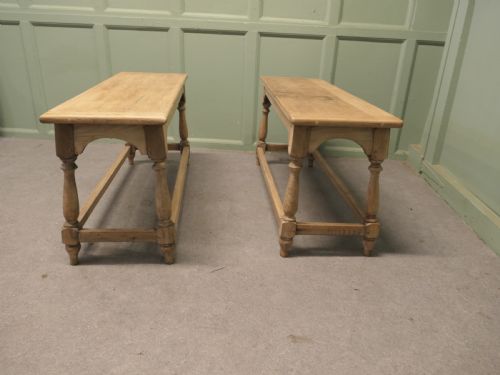
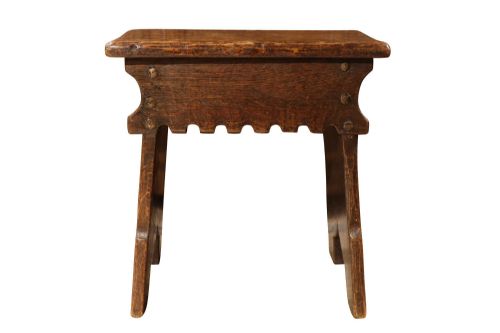
The selections on this page lean heavily towards heavy oak construction, utilising timber boards and pegged joinery. Forms range from low box stools and long benches to boarded trestle designs and country yewtree variants.
Origins stretch from genuine seventeenth-century examples through Georgian interpretations to revival pieces from nineteen hundred and nineteen twenty. Buyers will also spot occasional miniature apprentice pieces and primitive tables sharing the same robust carpentry.
How They Were Made
Joiners built these sturdy seats primarily from English oak, utilising pegged construction where wooden dowels lock the mortise and tenon joints together. This rigid frame method avoids metal nails, relying instead on the natural expansion and contraction of solid timber.
Certain country variants incorporate yew wood or employ bleached oak surfaces, while specific later examples add leather upholstery secured by metal studs. Surface finishes developed through centuries of wax application, developing a deep patina over the bare grain.
Antique Joint Stool Bench Retail Price Guide 2026
Typical asking prices for joint stool bench among the pieces listed under this phrase on Sellingantiques today, from the lower quarter to the upper quarter. They describe what is for sale here now, not the wider market.
Listings feature periods spanning the seventeenth century through to nineteen twenty, alongside revival styles like Jacobean and Gothic.
What Varies in Quality
The distinction between ordinary vernacular pieces and finer examples rests on the crispness of the timber framing and the integrity of the original pegged joints. Superior items retain their substantial weight and original board thickness without excessive timber replacement.
Proportion and surface wear dictate the character of the seating, where honest patination from long use outweighs heavy restoration. The skill of the early carpenter shows in how tightly the stretcher rails meet the turned or chamfered legs.
The Antique Joint Stool Bench Glossary
- Joint Stool
- A sturdy wooden seat constructed using mortise and tenon joinery held together by wooden pegs rather than metal fastenings. These pieces formed standard household seating before upholstered chairs became common.
- Pegged Construction
- A method of joining timber where holes are drilled through overlapping members and wooden pins are driven through to lock them securely. This technique accommodates seasonal wood movement without weakening the frame.
- Boarded Construction
- A method utilising thick planks joined together to form the seat and sides of simple furniture without an internal frame. This structural approach appears frequently in early trestle forms.
- Apprentice Piece
- A small-scale model created by a craftsman to demonstrate mastery of joinery techniques before admission to a guild. These miniature items replicate full-size furniture details accurately.
Antique Joint Stool Bench: Frequently Asked Questions
How do I date an early oak stool?
Dating relies heavily on the tool marks left by the carpenter, the method of joint construction, and the type of timber used. Seventeenth-century examples typically show hand-riven oak surfaces and pegged joints.
Later revivals from the nineteenth and twentieth centuries often exhibit machine-sawn timber or cleaner internal cuts. Examining the wear patterns around the foot rails also indicates age.
Where were joint stools used in the house?
These versatile pieces served primarily as dining seats around the main hall table or as convenient perches near hearths. Their flat tops also allowed them to function as temporary side tables for food or household goods.
In larger rooms, longer variants accommodated multiple guests before fixed benches became common domestic fixtures.
How do I care for antique oak furniture?
Maintaining dry conditions away from direct heat sources prevents the solid oak from splitting or warping over time. Applying traditional beeswax periodically nourishes the grain and preserves the surface patina.
Avoid modern liquid polishes that can build up a sticky residue on the historic timber finish.
What is the difference between a stool and a bench?
Stools generally provide single-person seating with four legs beneath a compact square or rectangular top. Benches offer an extended seating platform designed for two or more individuals.
Both forms share identical pegged carpentry methods when originating from the same early periods.