
Antique Jewellery Watch
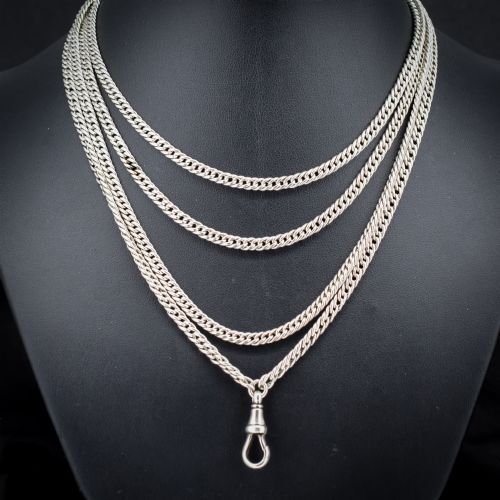
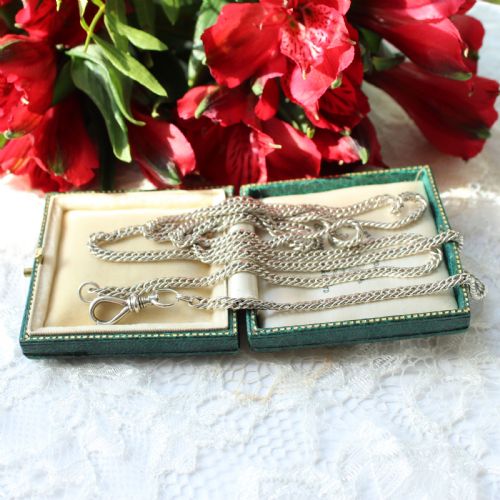
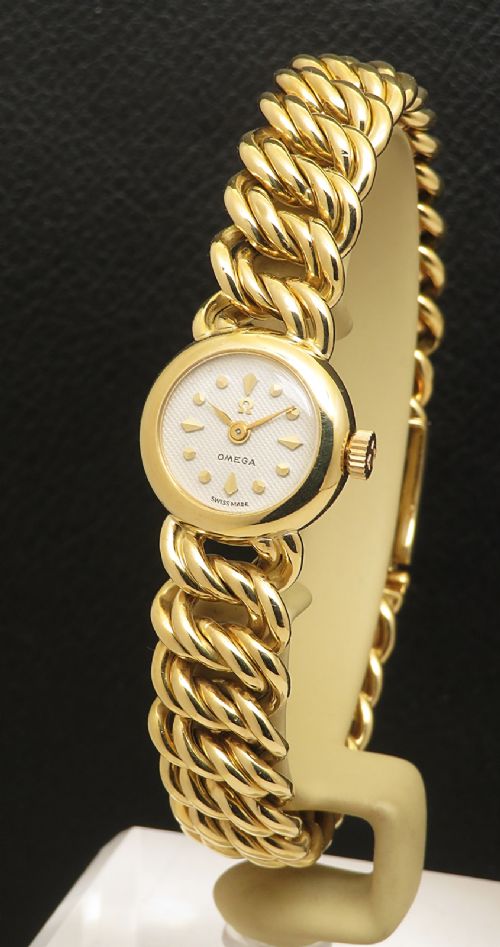
When you search for an antique jewellery watch, you encounter long guard chains, robust albert links, and spinning fobs adapted for modern wear.
Antique Jewellery Watch
The antique jewellery watch category covers functional items from the nineteenth and twentieth centuries, originating primarily as timekeeping accessories rather than purely decorative ornaments. Buyers searching this phrase meet substantial chains, bracelets, and fobs designed to secure pocket watches or hang from waistcoats.
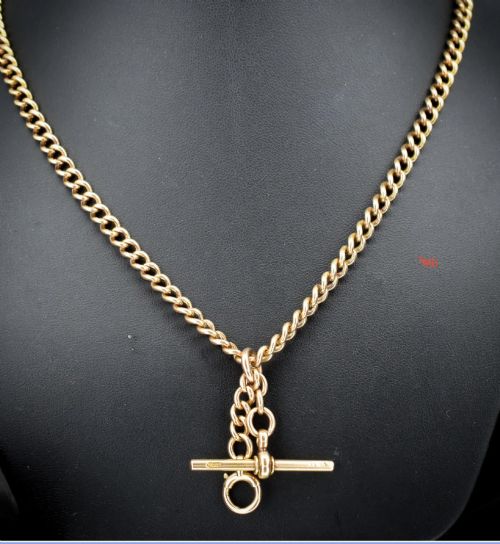
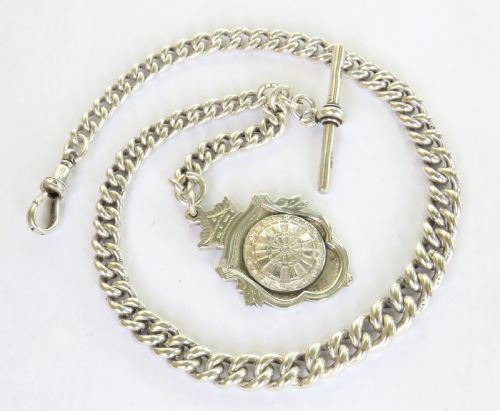
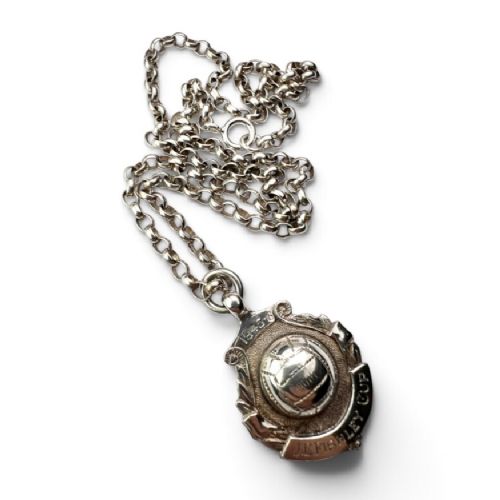
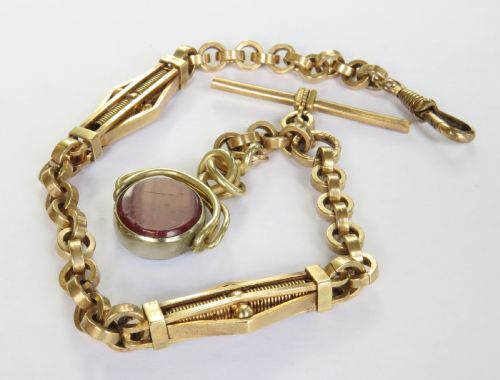
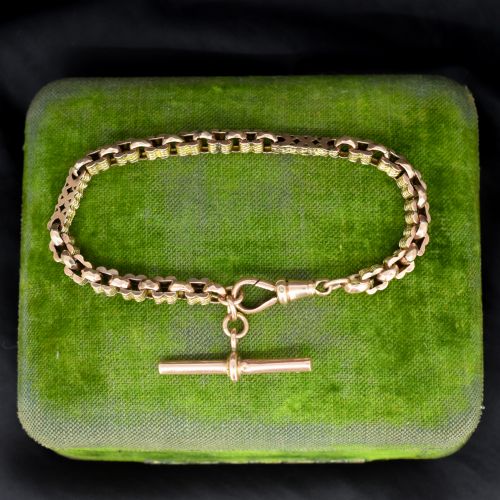
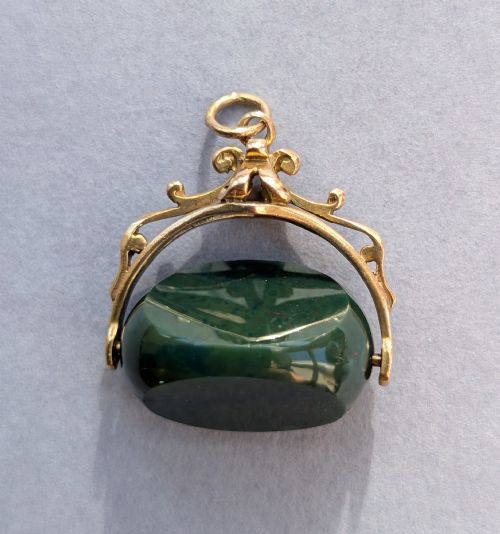
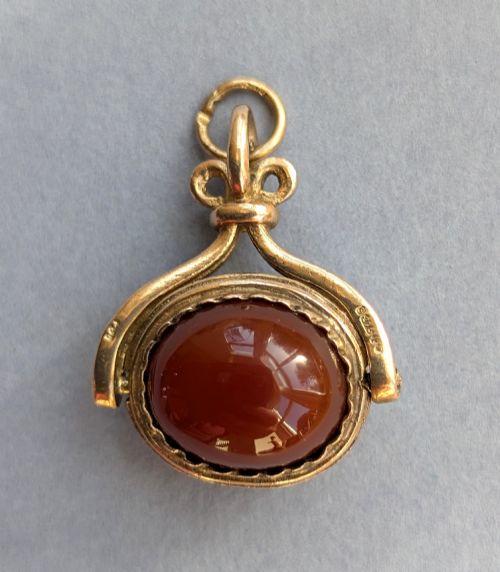
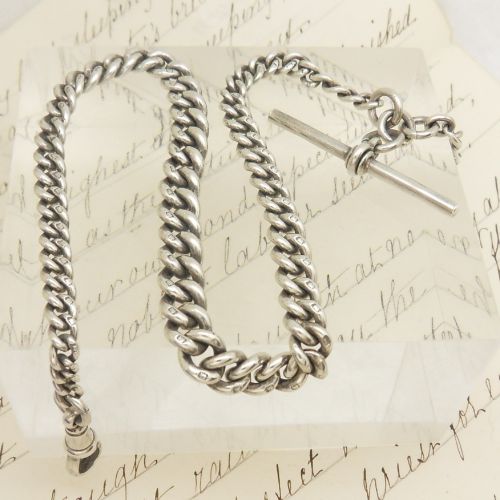
The most common pieces on this page are silver and gold albert chains, long guard chains, and spinning fobs set with bloodstone or carnelian. These items span Victorian, Edwardian, and Art Deco periods, frequently repurposed today as necklaces or charm bracelets.
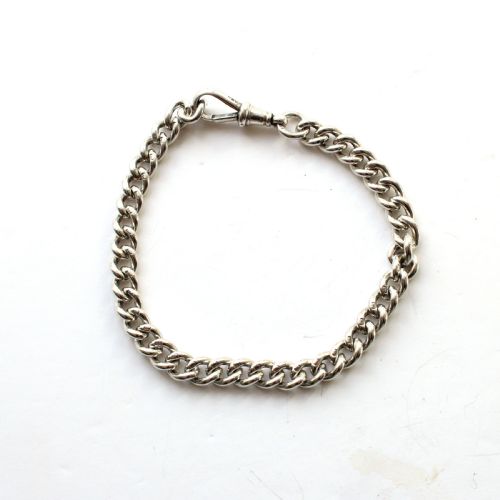
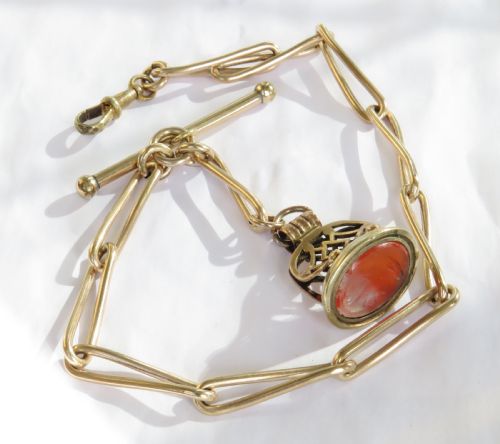
Forms include trombone links, flat curb links, and belcher chains fitted with dog clips or T-bars. While pocket watches themselves appear less often here, the supporting hardware remains in abundance.
Materials and construction methods
Metals span sterling silver, rolled gold, and varying purities of yellow and rose gold, supplemented by base metals in specific pieces. Goldsmiths and silversmiths shaped these materials into interlocking links, hollow tubes, and solid bars using traditional casting and hand-assembly techniques.
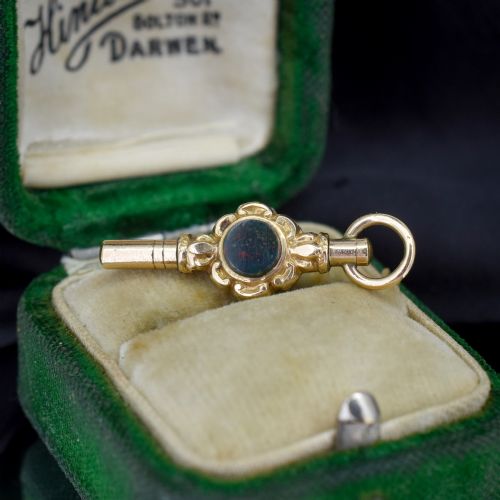
Fobs frequently incorporate hardstones such as bloodstone and carnelian, mounted in rotating bezels that allow the user to display either face. Clasps rely on mechanical spring dog clips, screw-locks, and swivel mechanisms engineered for daily utility.
Tennis enthusiasts in nineteen hundred could secure their waistcoats with a dedicated racket-shaped charm pendant.
Quality variations in historical watch chains
Substantial differences in quality emerge through weight, link integrity, and hallmarking clarity. Heavier solid gold and sterling silver specimens maintain their structural rigidity over decades of use, whereas lighter rolled gold pieces show substrate wear through repeated friction on the outer layer.
Fine craftsmanship displays crisp detailing on trombone links, secure box joints on spinning fobs, and legible town and date stamps. The precision of the swivel mechanism and the tension within the dog clip distinguish workshop execution.
The Antique Jewellery Watch Glossary
- Albert chain
- A chain attached to a pocket watch, designed to pass through a waistcoat buttonhole and secure to a pocket. Victorian gentlemen wore these daily as both utility items and status symbols.
- Dog clip
- A spring-loaded snap hook fitted to one or both ends of a watch chain. This mechanism allowed the wearer to attach a pocket watch or fob securely.
- T-bar
- A short transverse bar attached to the centre of an albert chain. It passed through a buttonhole to anchor the chain securely across the front of a garment.
- Spinning fob
- A pendant containing a rotating stone, such as bloodstone or carnelian, mounted in a metal frame. The wearer could flip the stone to display different sides.
- Long guard chain
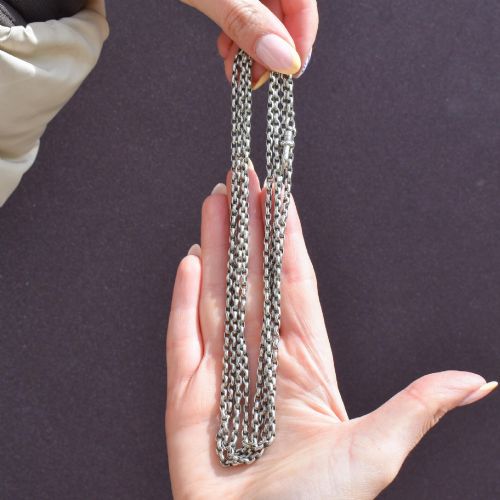
- An extra-long necklace length chain designed to hold a lorgnette, watch, or multiple pendants. Victorians often doubled these chains around the neck.
Antique Jewellery Watch: Frequently Asked Questions
How do I wear a pocket watch chain today?
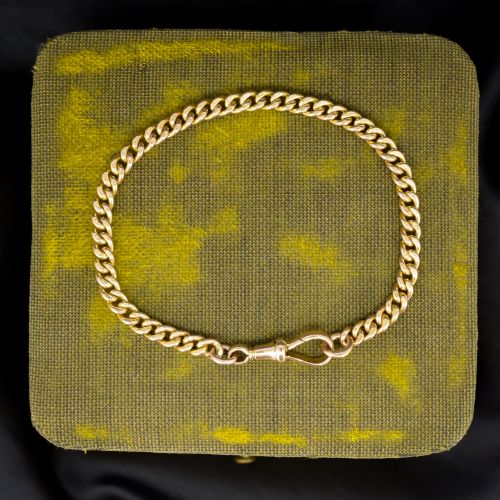
Many buyers repurpose long albert chains and guard chains as necklaces by fastening the dog clip to a jump ring. Others wear shorter lengths wrapped around the wrist as substantial charm bracelets.
The original T-bar can hang as a decorative element or tuck discreetly behind a pendant loop. This allows historical utility items to function seamlessly within contemporary wardrobes.
What is the difference between solid gold and rolled gold?
Solid gold pieces consist of uniform precious metal throughout their entire structure, maintaining their gold content and colour indefinitely. Rolled gold involves a thin layer of gold mechanically bonded to a base metal core.
Over decades of heavy friction, rolled gold items can wear through at the link joints to reveal the base metal underneath. Solid gold pieces command higher regard for their enduring material composition.
How do I date an antique watch chain?
Hallmarks stamped onto individual links or dog clips provide the most reliable dating evidence, showing assay office symbols, date letters, and purity marks. Chester, Birmingham, and London markers appear frequently on these items.
Stylistic cues such as the geometric lines of Art Deco pieces or the heavy ornamentation of Victorian designs also help narrow down the period of manufacture.
What are spinning fobs used for?
Spinning fobs held hardstones like bloodstone or carnelian, which traditionally served as signet seals for stamping hot wax on correspondence. The rotating axis allowed users to switch between different carved initials or plain stones.
Today, they function primarily as tactile pendant charms suspended from heavy watch chains or shorter necklets.