

Antique Jewellery Diamond Drops
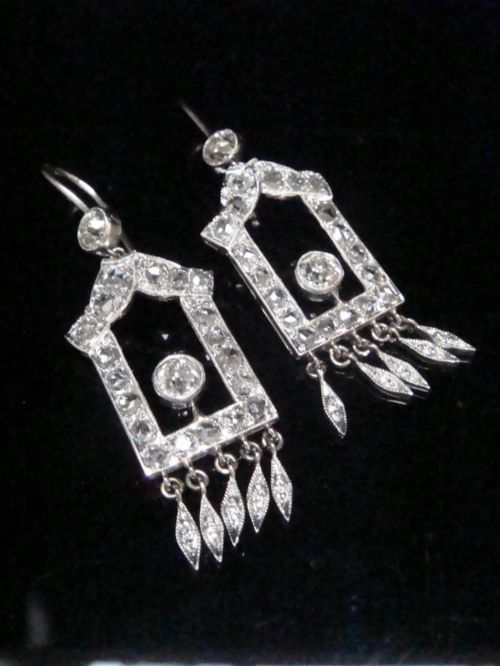
Antique jewellery diamond drops suspend light from earlobes and necklines, combining old cut stones with platinum and gold settings.
Antique Jewellery Diamond Drops
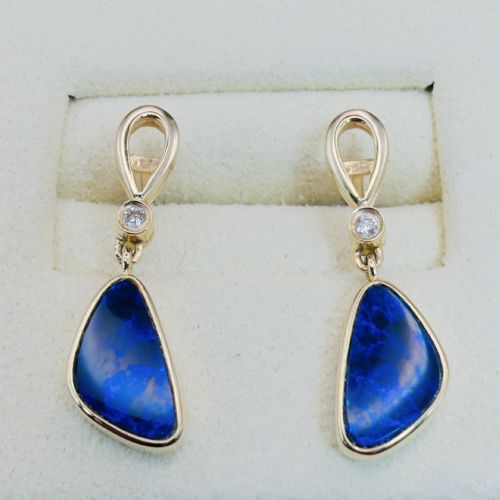
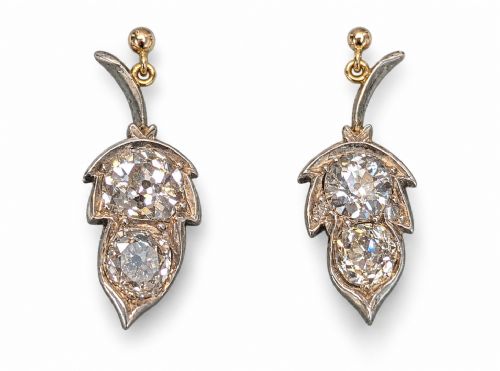
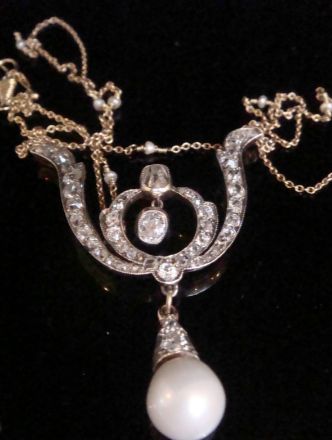
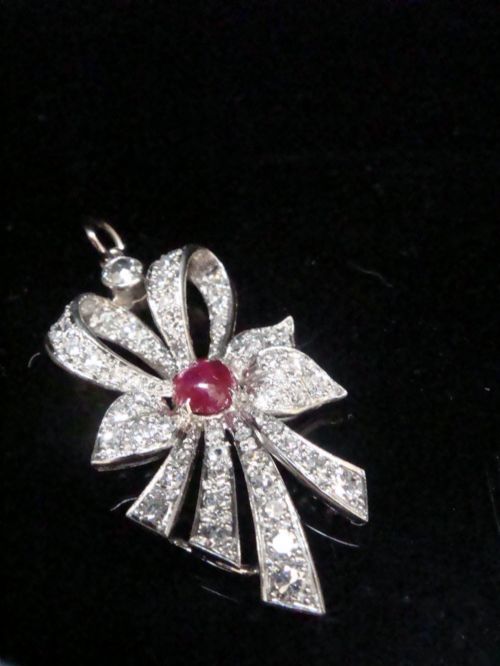
When searching for antique jewellery diamond drops, buyers encounter pieces spanning the Victorian, Edwardian, Art Deco and Mid-Century periods, with Edwardian and 1930s examples appearing most frequently.
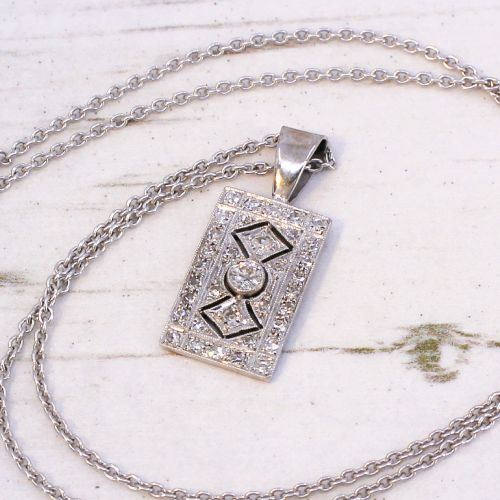
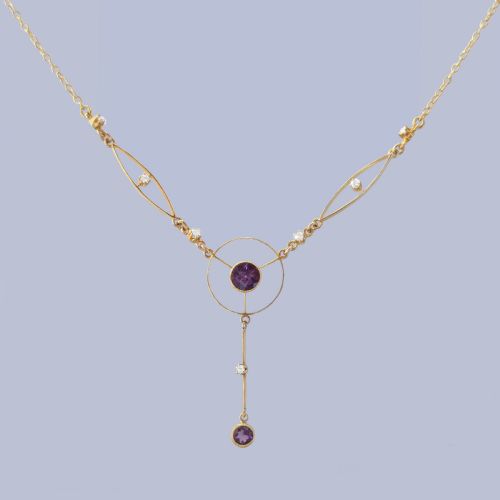
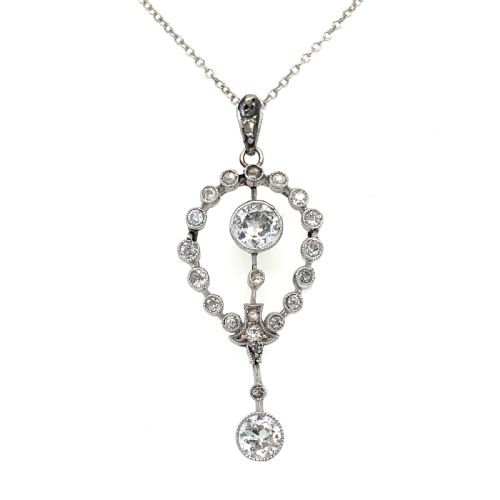
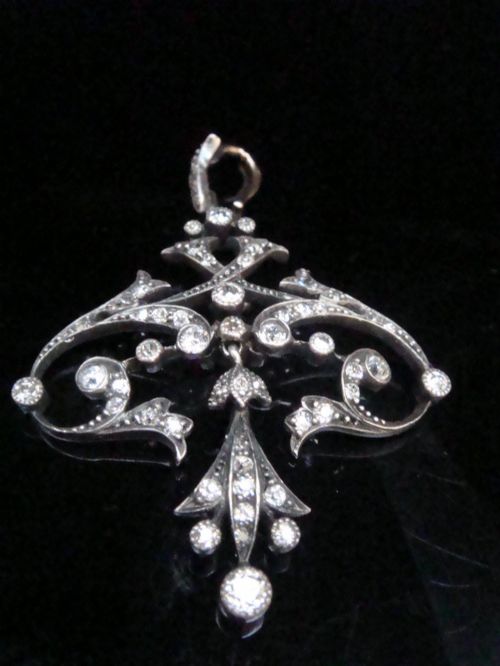
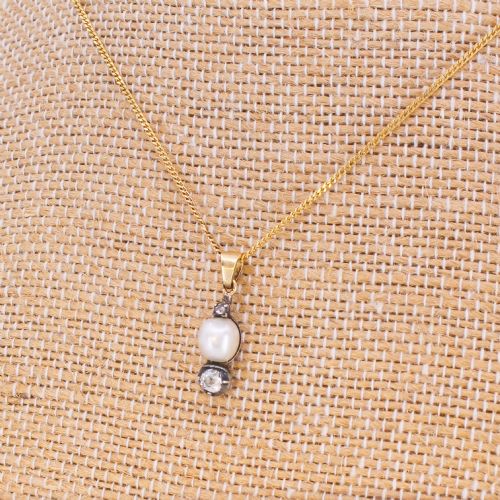
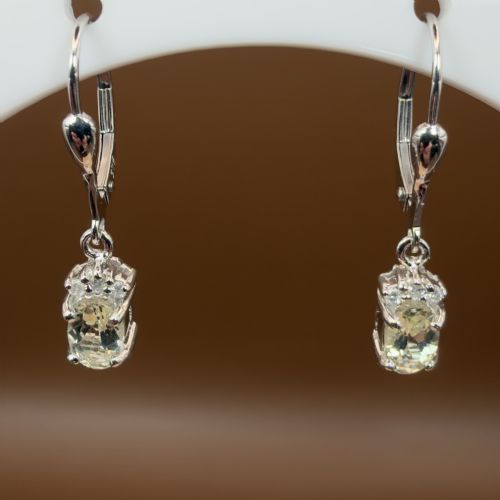
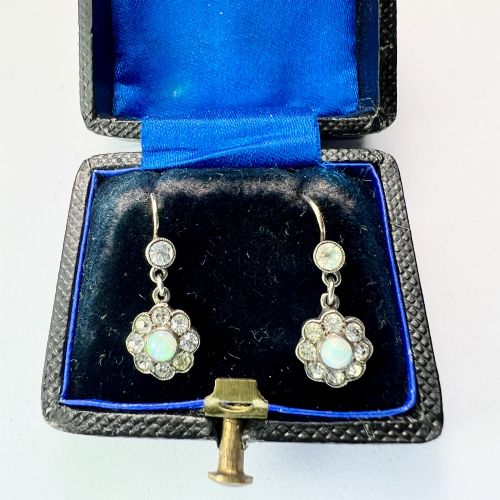
The primary forms take shape as drop earrings, pendant necklaces, lavaliers and brooches, suspended on gold, silver or platinum mounts.
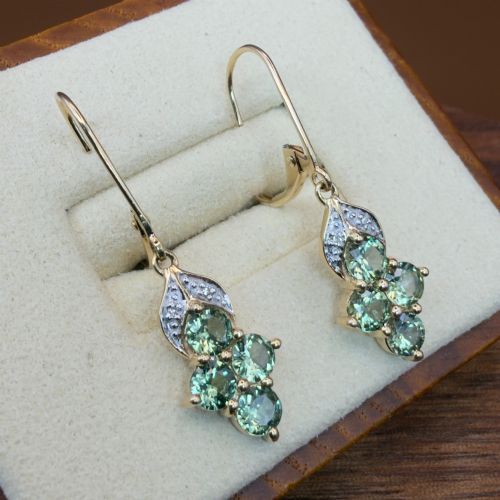
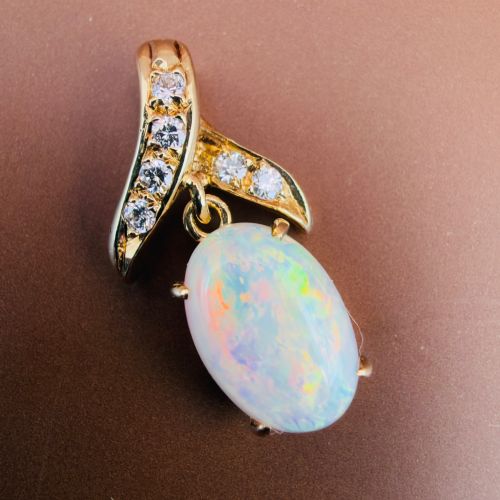
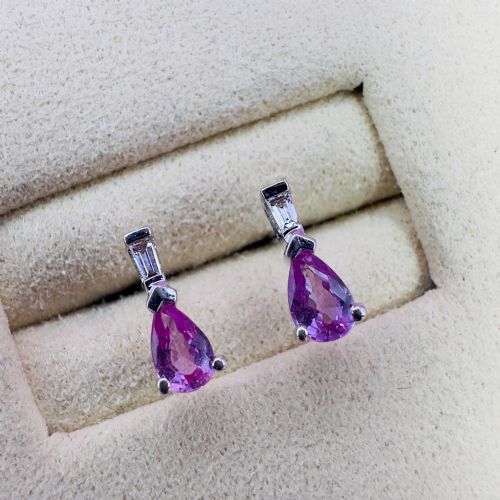
These items bring together diamonds with pearls, aquamarine, opal, sapphire, jade, emerald and amethyst, reflecting the distinct ornamental preferences of their respective eras.
Materials and construction methods
Goldsmiths and jewellers utilised platinum alongside yellow gold, white gold and silver to construct delicate yet secure settings for old cut diamonds.
Gemstones such as pearls, aquamarine, opal and sapphire were secured in pierced mounts, cluster formations and drop configurations characteristic of Edwardian bow motifs and Art Deco geometrical layouts.
Some pieces arrive safely preserved inside their original fitted maker boxes.
Distinctions in craftsmanship and design
Quality rests in the precision of the metalwork, particularly the fineness of Edwardian platinum piercing and the structural integration of multi-stone clusters.
The choice and matching of central gemstones, whether old cut diamonds, natural pearls or coloured stones like aquamarine and opal, dictate the harmony of the piece.
Knoll and Pregizer·Eduard Foehr
The Antique Jewellery Diamond Drops Glossary
- Old cut
- A diamond facet configuration typical of antique stones, hand-cut with a smaller table and higher crown to catch candlelight.
- Lavalier
- A pendant necklace featuring a central stone or drop suspended below a main decorative motif, popular during the Edwardian period.
- Platinum
- A dense, strong white metal favoured in Edwardian and Art Deco jewellery for setting diamonds securely with minimal visible metal.
- Drop earrings
- Earrings designed to hang below the earlobe rather than sit directly against it, often featuring articulated joints.
- Cluster
- An arrangement of smaller gemstones clustered tightly around a larger central stone to maximise overall visual impact.
Antique Jewellery Diamond Drops: Frequently Asked Questions
What periods do these diamond drops come from?
The pieces span from the late Victorian and Edwardian eras through the 1920s Art Deco period and into the mid-century decades.
Edwardian designs and 1930s creations form the majority of the current selection, showing distinct shifts from delicate platinum lace to geometric lines.
How are drop earrings distinguished from pendants?
Drop earrings are built specifically for suspension from pierced ears, often utilising articulated elements to create movement.
Pendants and lavaliers are designed to hang from necklines on chains, though both categories showcase similar diamond and precious metalwork.
What metals support these antique diamonds?
Jewellers used a combination of platinum, 18ct yellow gold, 18ct white gold, 9ct gold and silver depending on the decade of manufacture.
Platinum gained prominence during the Edwardian and Art Deco periods for its strength in delicate, pierced settings.
Which coloured stones appear alongside the diamonds?
Common companion stones include natural pearls, aquamarine, opal, sapphire, emerald, amethyst, jade and tourmaline.
These gems were chosen to complement the old cut diamonds in cluster earrings, lavaliers and drop necklaces.