

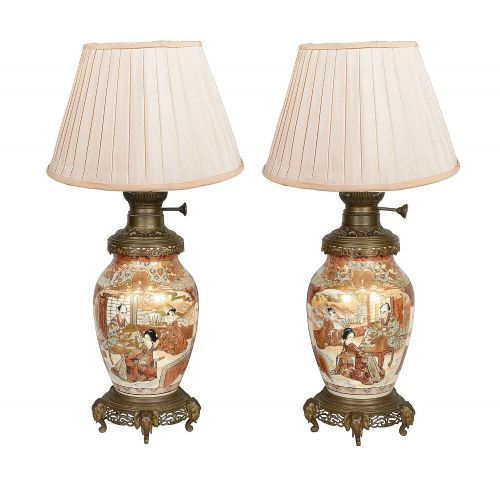


Antique Japanese Table Light
An antique japanese table light brings sculptural weight and hand-finished detail to a room, drawing on centuries of metalwork and ceramic traditions.
Antique Japanese Table Light
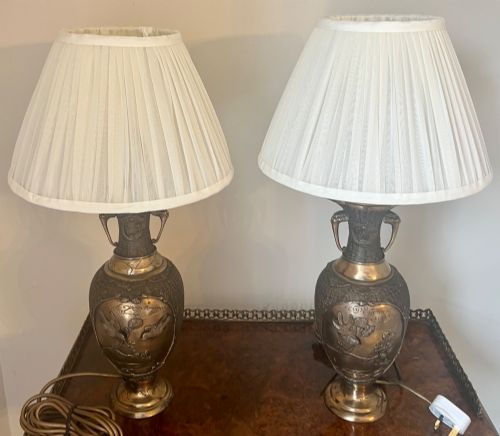
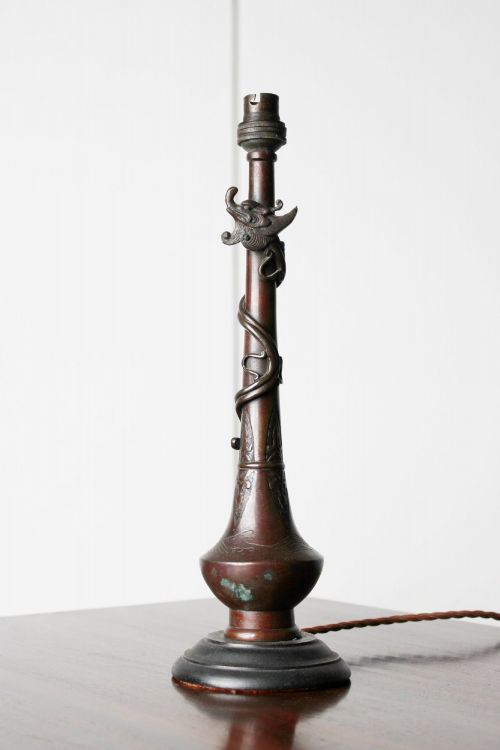
When searching for an antique japanese table light, buyers encounter pieces fashioned from converted antique vessels or created specifically as decorative lighting during the Meiji period and subsequent decades. These domestic fixtures transform earlier decorative objects, such as bronze vases, Satsuma pottery, and carved brush pots, into functional lamps.
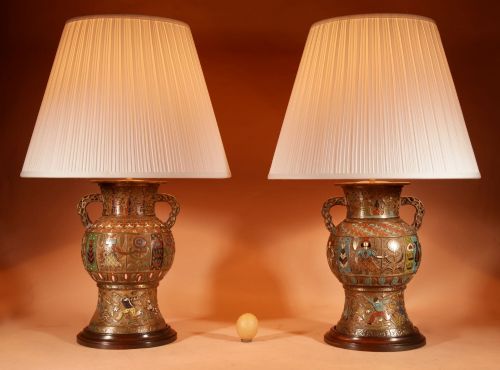
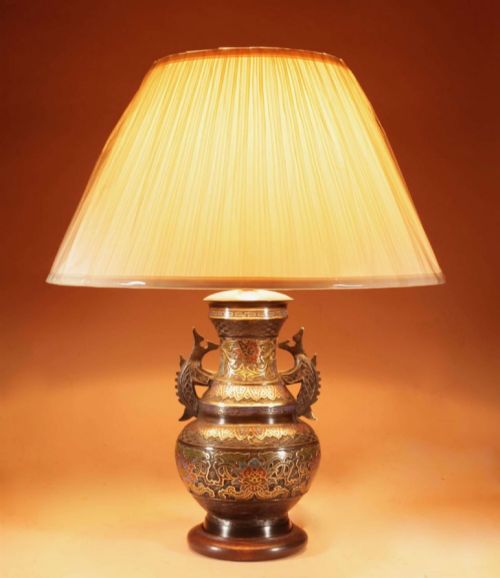
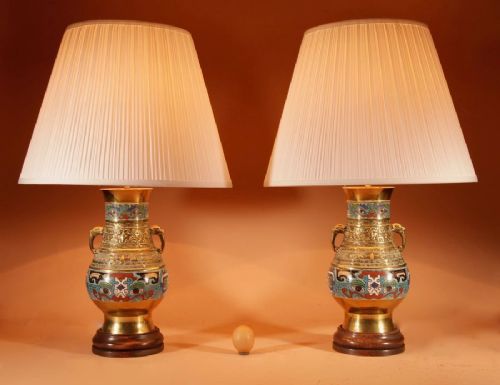
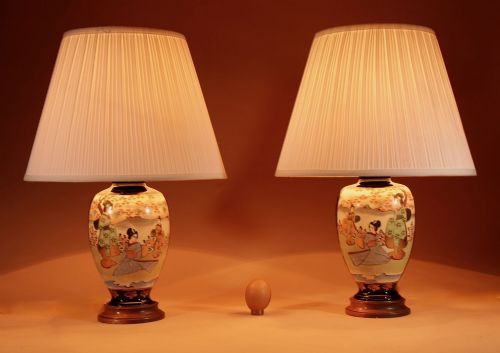
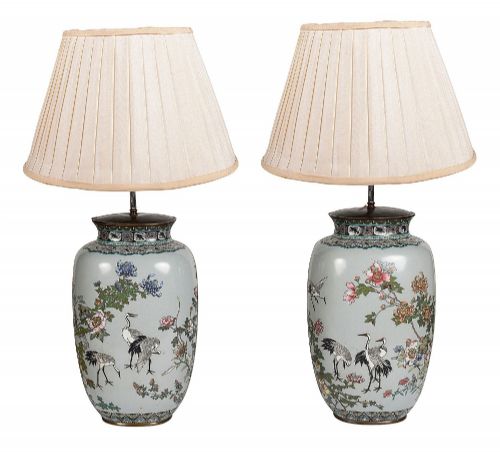
The most common examples on this page date from the nineteenth century and the early twentieth century, spanning the Meiji period and Victorian eras. Many of these items utilise traditional Japanese ceramics or champlevé and cloisonné bronzes mounted with electrical fittings during later conversions.
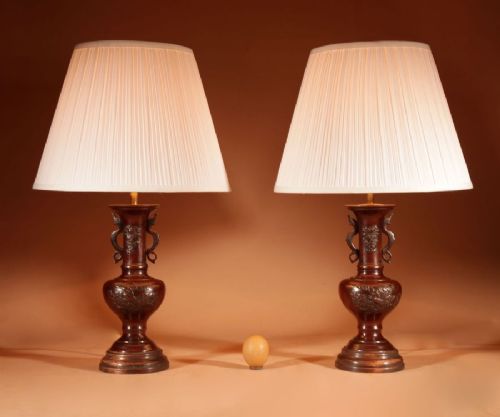
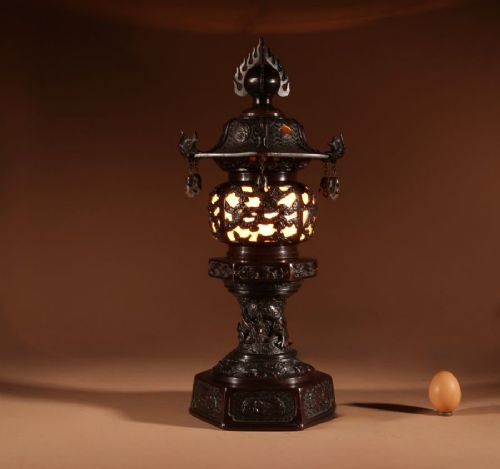
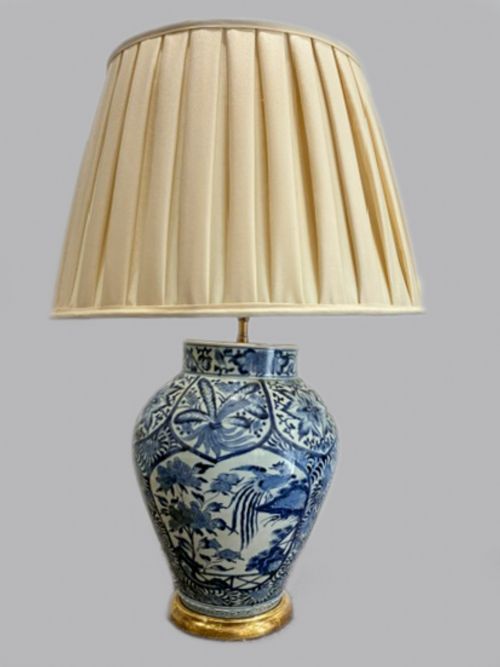
Forms vary from robust bronze elephant figures and lanterns to delicate Kutani porcelain vases and blue and white porcelain vessels. Buyers often find pairs suited for sideboard or mantel placement, alongside single large statement lamps designed for desk or table use.
Distinctions in quality and execution
The standard of a piece rests largely on the crispness of the bronze casting and the precision of the enamel work in cloisonné or champlevé designs. Finer examples display meticulous wirework and vibrant, even enamel fills without pitting or discoloration.
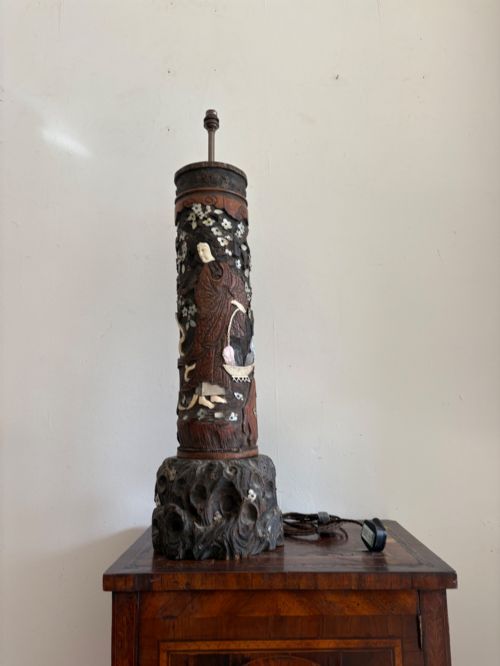
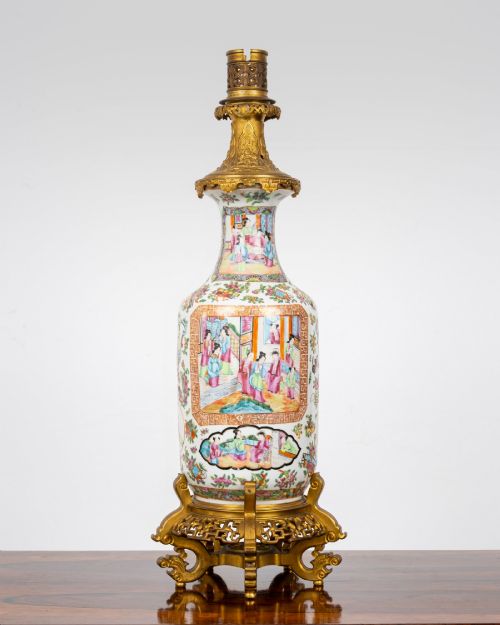
Ceramic quality is judged by the fineness of the porcelain body, the complexity of the hand-painted motifs, and the preservation of the original glaze and gilding. Pieces featuring sculptural elements like integrated animal figures or carved brush pots derive further merit from anatomical proportion and artistic depth.
The harmony of the conversion also dictates value, particularly how securely and sympathetically the metal mounts and electrical hardware attach to the antique vessel.
Listings feature items spanning the 17th, 18th, 19th, and early 20th centuries, including Victorian-era conversions.
The Antique Japanese Table Light Glossary
- Meiji Period
- A notable era in Japanese history spanning from 1868 to 1912, characterised by opening trade with the West and exceptional metalwork and ceramic production.
- Cloisonne
- An enamel technique where metal wires form raised barriers on a bronze base to hold coloured pastes before firing.
- Satsuma
- A type of Japanese earthenware featuring a pale, ivory-crackled glaze decorated with intricate polychrome enamels and gilt.
- Champleve
- A method of enamelling where troughs or cells are hollowed out of the bronze surface to receive the coloured vitreous paste.
- Kutani
- Japanese porcelain or pottery traditionally associated with strong green, blue, yellow, and purple overglaze painting.
- Ormolu
- Gilded bronze applied as decorative mounts, feet, or fittings on lamps and porcelain bodies.
Antique Japanese Table Light: Frequently Asked Questions
How do I date an antique japanese table light?
Dating relies on stylistic markers from the Edo and Meiji periods, combined with the characteristics of the bronze or ceramic body. Material types such as early Arita porcelain point to the seventeenth or eighteenth century, whereas complex champlevé enamel often indicates later nineteenth or early twentieth-century production.
Electrical fittings and wiring styles provide further clues regarding when a historic vase or jar was converted into a lamp. Original components and mounting styles help narrow down the decade of the conversion.
Were these always lamps originally?
Most of these pieces started life as vases, temple vessels, brush pots, or decorative bronzes before being converted into lamps at a later date. Artisans adapted these items to suit Western domestic interiors while preserving the original Asian craftsmanship.
This conversion process typically involved securing metal mounts and running a cord through a drilled base or custom fitting. As a result, the body remains an authentic antique object paired with contemporary or vintage electrical components.
What is the difference between Satsuma and Kutani?
Satsuma ware is an earthenware ceramic distinguished by a creamy, finely crackled glaze that provides a textured canvas for detailed polychrome and gilt painting. It often depicts figures, landscapes, and floral arrangements.
Kutani ware is typically a porcelain or denser ceramic known for bold, saturated palettes dominated by greens, blues, and reds. The decorative style focuses heavily on geometric borders, nature scenes, and expressive pictorial panels.
How do I care for cloisonne and bronze lamps?
Maintenance requires gentle dusting with a soft, dry cloth to protect delicate enamel surfaces and metal patinas from abrasive particles. Avoid using harsh chemical cleaners or polishes that might strip the historic finish or damage the wire cells in cloisonne areas.
Keep these lamps away from direct sunlight and excessive moisture to preserve the integrity of both the metalwork and the original ceramic bodies. Routine checks by a qualified electrician ensure the internal wiring remains safe for continued domestic use.