





Antique Japanese Relief Ceramic
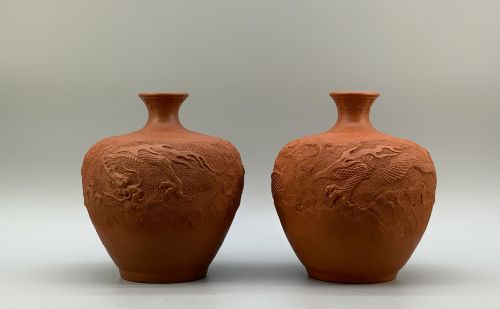
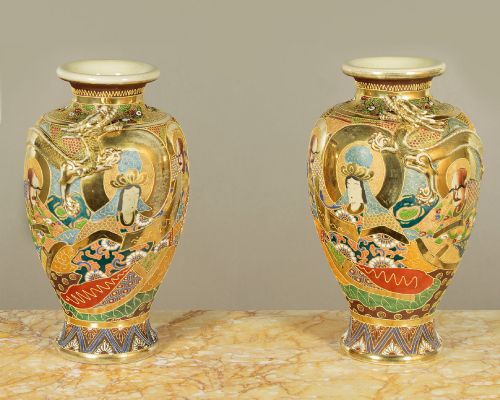
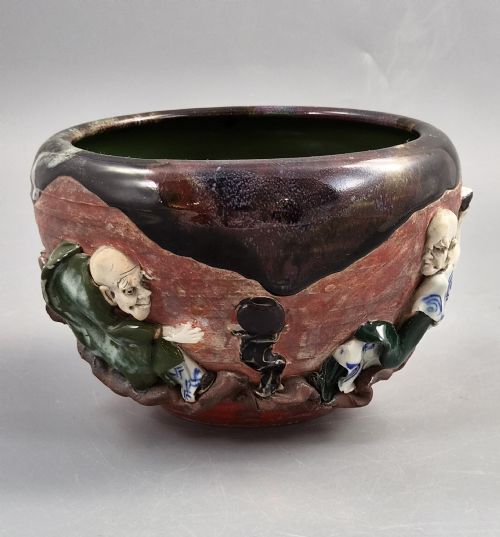
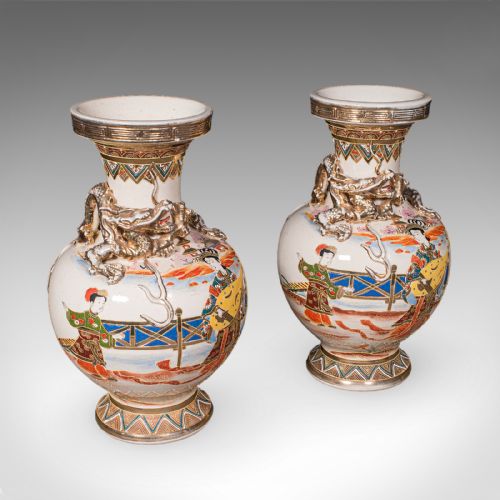
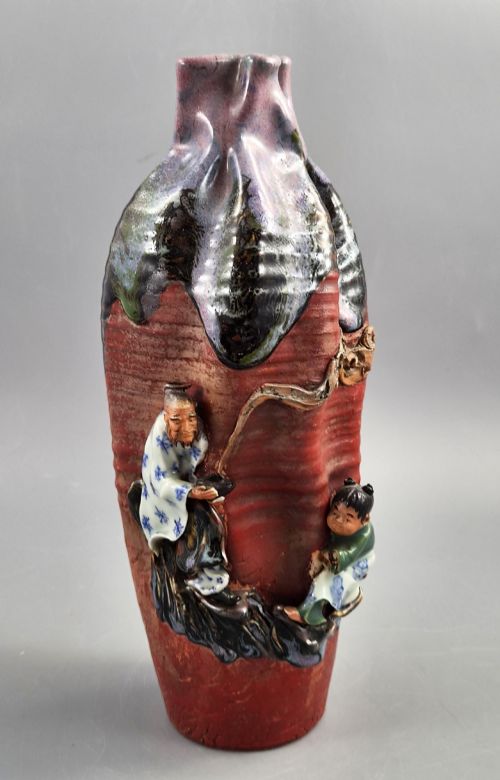
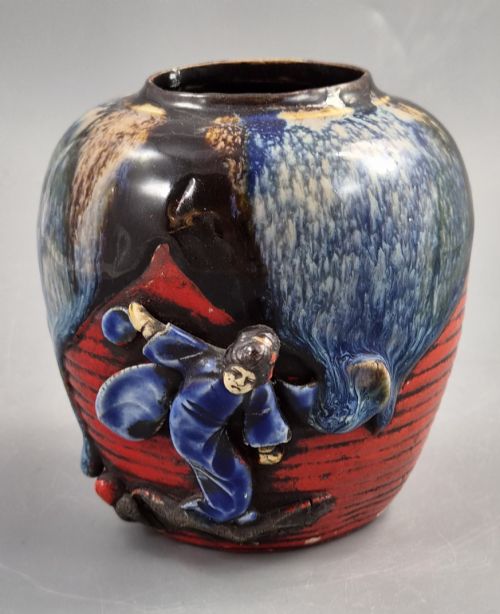
These antique japanese relief ceramic pieces bring tactile dimension into a room through sculpted figures and moulded surfaces.
Antique Japanese Relief Ceramic
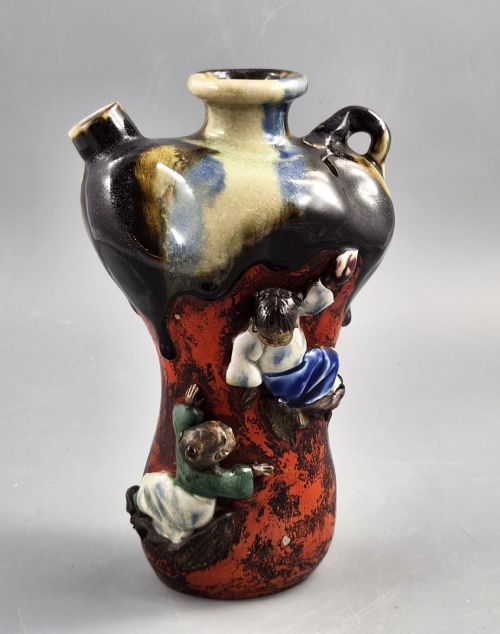
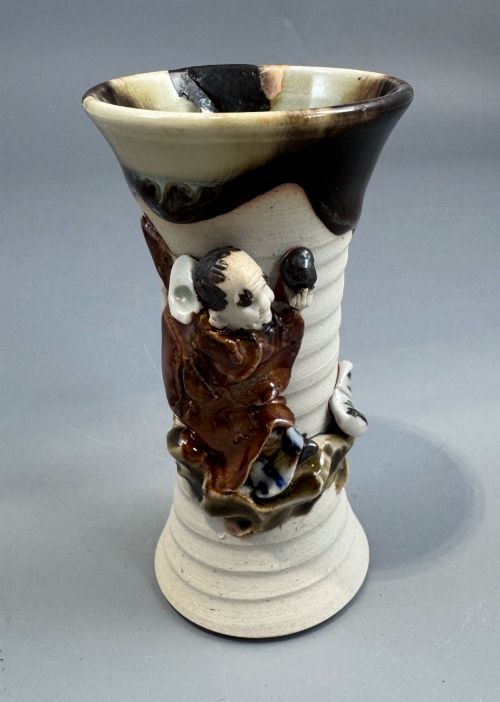
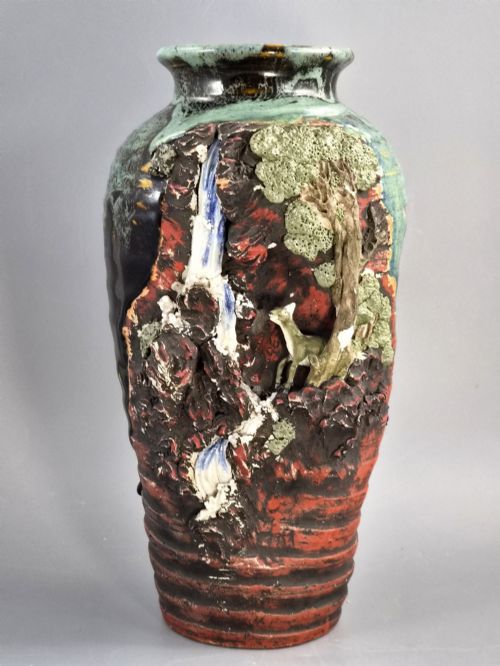
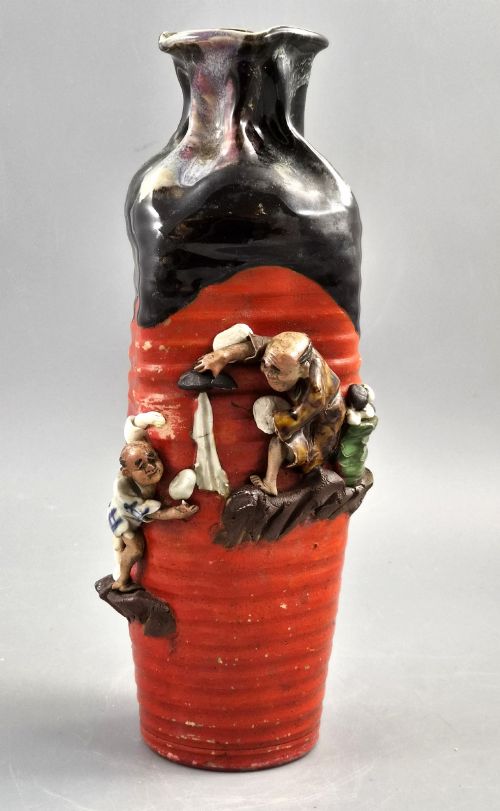
When you search for antique japanese relief ceramic, you encounter pieces defined by three-dimensional surface modelling, ranging from vessels with climbing figures to moulded shallow dishes. The pieces on this page appear predominantly from the Meiji, Taishō and Shōwa periods, alongside Victorian entries and earlier 17th to 18th century examples.
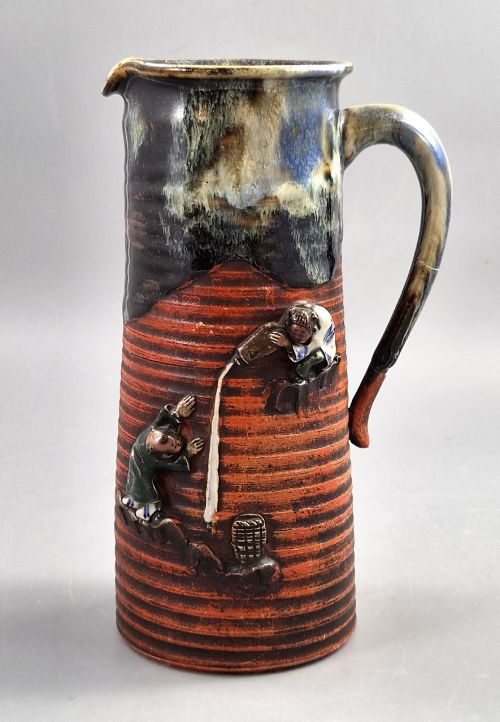
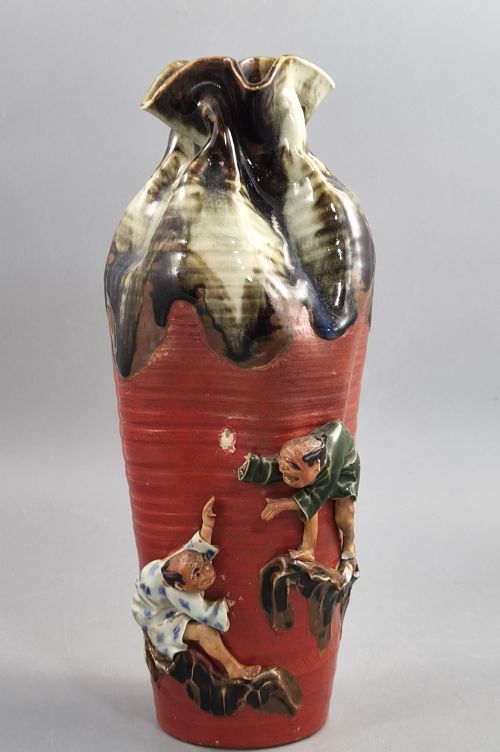
The forms span utilitarian and decorative objects, including vases, jardinières, pitchers, mugs, teapots, teacups and saucers, alongside specific items such as brush washers and decorative bowls. Sumida Gawa creations dominate the selection, bringing distinctive sculptural forms and applied figures into domestic spaces.
How they were made
Potters utilised earthenware, stoneware, terracotta and porcelain bodies as foundations for these works, shaping them by hand or moulding them into baluster, jar and vessel forms. Relief elements were individually modelled and applied directly to the wet or leather-hard clay body before firing.
Glazes include flambe effects in blue, lavender and oxblood, alongside enamel decoration and gold leaf accents. Specific regional styles incorporated red clay bodies and iron red pigments to create contrast against the glazed backgrounds.
Antique Japanese Relief Ceramic Retail Price Guide 2026
Typical asking prices for japanese relief ceramic among the pieces listed under this phrase on Sellingantiques today, from the lower quarter to the upper quarter. They describe what is for sale here now, not the wider market.
Several pieces feature tiny moulded children peering over the rims of vases as if watching the room.
What varies in quality
The distinction between standard examples and superior pieces rests on the precision of the modelling and the integration of the applied figures into the vessel wall. Master potters achieved a naturalistic fluidity in climbing figures, sages and children, whereas lesser work appears stiff or crudely attached.
Glaze control also separates the grades, with complex flambe and oxblood finishes showing depth and variation that flat or pooling glazes lack. Signature marks from recognised workshops provide further distinction regarding execution and origin.
Inoue Ryosai·Makuzu Kozan II
The Antique Japanese Relief Ceramic Glossary
- Sumida Gawa
- A style of Japanese pottery originating near Tokyo, known for heavy, drip-glazed bodies and applied sculptural figures. These pieces often depict sages, children and animals scrambling across the surface.
- Flambe glaze
- A variegated glaze that produces streaked, opalescent colour effects during high-temperature kiln firings. It frequently appears in shades of blue, purple and red on stoneware vessels.
- Jardiniere
- A large decorative ceramic pot designed to hold live plants or flowers. They often feature moulded relief panels or continuous landscape scenes around the exterior.
- Karako
- A traditional decorative motif depicting Chinese children at play. They appear frequently as applied figures on ceramic surfaces.
- Suiban
- A shallow ceramic basin used for holding water or arranging stones. Collectors value these for their specialised function and moulded decorative rims.
Antique Japanese Relief Ceramic: Frequently Asked Questions
What is Sumida Gawa pottery?
Sumida Gawa pottery is a distinct type of Japanese ceramic featuring heavy, textured glazes and figures modelled in high relief. These pieces originate around the Meiji and Taishō periods.
The style is instantly recognisable by the figures, such as sages or children, climbing up the sides of vases, mugs and teapots.
How do I date these ceramics?
Dating relies on stylistic markers, materials and periods such as the Meiji, Taishō and Shōwa eras. Many pieces carry transitional date ranges reflecting the longevity of individual workshops.
Signatures from makers like Inoue Ryōsai also help narrow down the production window to specific decades around nineteen hundred.
Where were these pieces made?
These ceramics were produced in Japan across various kilns and workshops, including the Sumida River district near Tokyo. Different regions utilised specific clays, such as Tokoname red clay.
Export markets in the West drove the production of many of these decorative vases and jardinières during the late nineteenth and early twentieth centuries.
How should I display them?
Display these textured pieces where adequate lighting catches the raised figures and varied glaze effects. Placing them on stable surfaces allows the three-dimensional modelling to be viewed from multiple angles.
Due to the applied relief work, handle them carefully by the main body rather than the projecting figures.