


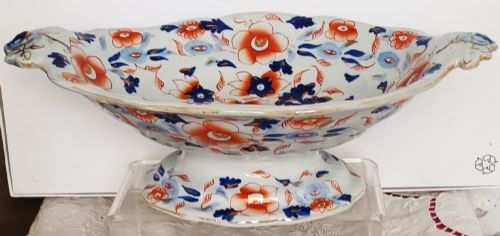


Antique Japan Pattern
An antique japan pattern brings bold Eastern-inspired motifs into the home through durable ironstone china and lacquer.
Antique Japan Pattern
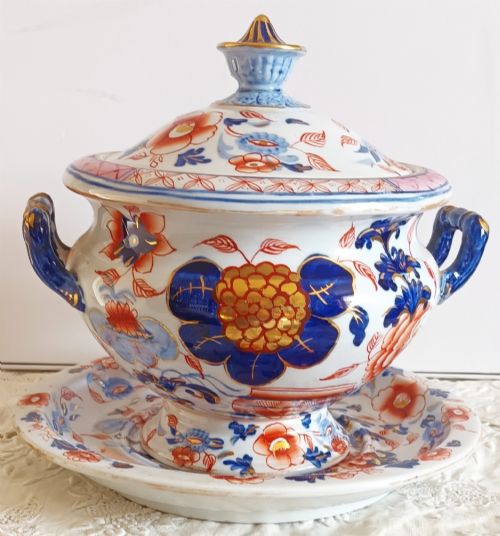
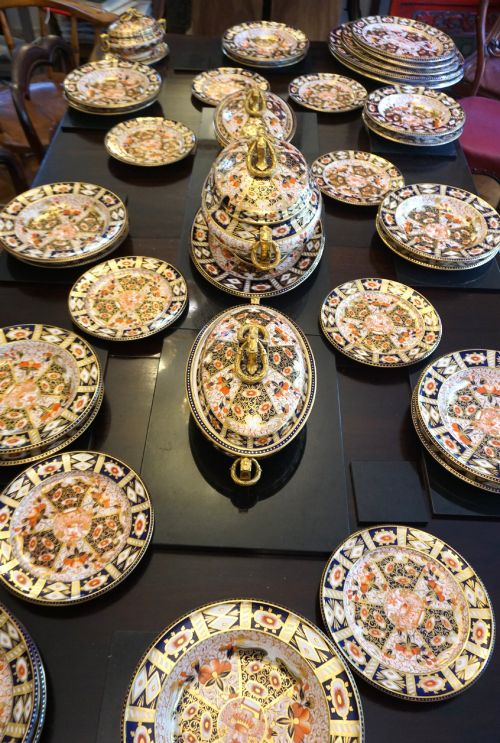
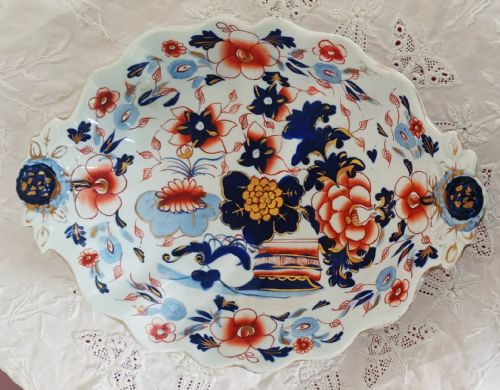
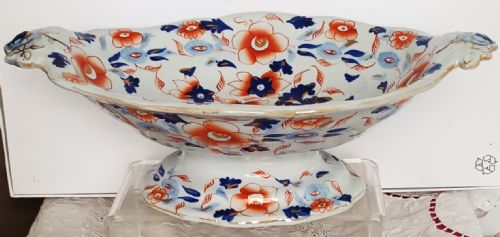
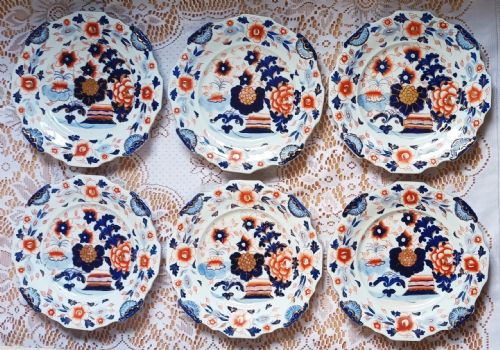
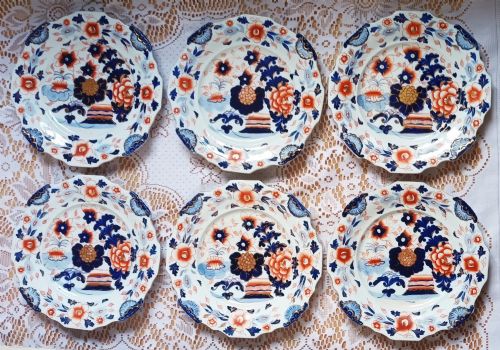
An antique japan pattern typically appears on nineteenth-century English ironstone china, including footed comports, low comports, plates, sauce tureens, soap dishes, and candlesticks. These items draw heavily on traditional Japanese design aesthetics adapted by English potteries.
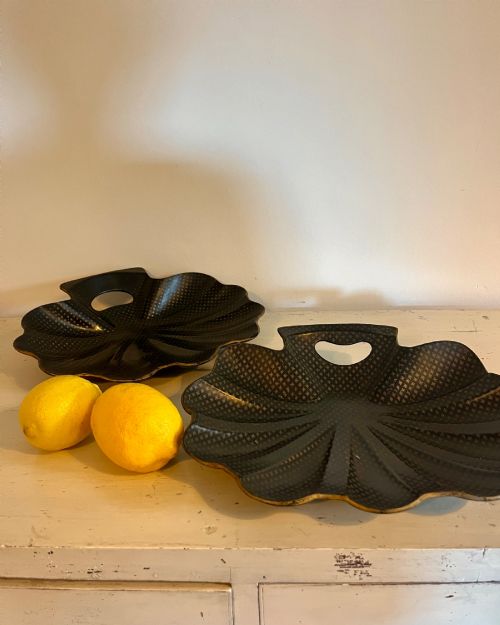
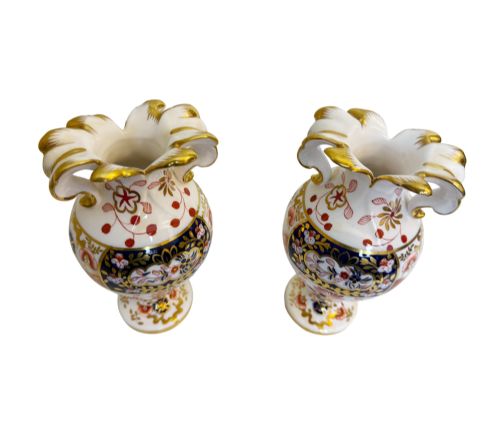
Beyond ceramics, the selection incorporates French lacquered trays from the nineteenth century alongside Satsuma vases from the Edwardian era. Buyers encounter a rich mix of tableware and decorative objects that combine utilitarian function with striking visual motifs.
The aesthetic bridges Georgian and Regency sensibilities with Victorian Imari and Japanese Meiji period influences. This crossover creates a distinct category of wares prized for their vibrant palettes and intricate surface decoration.
How they were made
Potters utilised durable ironstone china as the primary ceramic body for plates, comports, and tureens, providing a sturdy foundation for detailed painting. Artisans applied rich enamel colours alongside gold leaf, gilt, and gilding to accentuate the complex ornamental borders and central motifs.
Lacquer work on nineteenth-century trays involved layered resin applications to achieve a smooth, dark surface suited to fine decorative painting. Satsuma pieces relied on specialised ceramic bodies finished with crackle glazes and hand-painted pigments.
Antique Japan Pattern Retail Price Guide 2026
Typical asking prices for japan pattern among the pieces listed under this phrase on Sellingantiques today, from the lower quarter to the upper quarter. They describe what is for sale here now, not the wider market.
Listings span nineteenth-century ironstone and Edwardian Satsuma earthenware, utilising enamel, gold leaf, and glaze across various forms.
What varies in quality
The distinction between standard and superior pieces rests upon the precision of the hand-painted enamel work and the lavishness of the gilding. Artisans who executed tighter brushwork and richer gold leaf applications produced items with greater visual depth.
Consistency in the ceramic moulding and the preservation of the original glaze determine the overall integrity of the ironstone pieces. Comports and plates with crisp moulding and minimal rubbing to the gilt edges demonstrate superior workshop standards.
Spode·Mason·Tagawa
The Antique Japan Pattern Glossary
- Ironstone
- A heavy, durable type of ceramic patented in the nineteenth century as a sturdier alternative to porcelain. It takes enamels and gilding exceptionally well.
- Comport
- A decorative pedestal bowl or dish used historically for serving fruit or sweets at the table. These sit on elevated feet or low bases.
- Imari
- A style of ceramic decoration originating in Japan featuring iron red, cobalt blue, and gold. English potteries frequently borrowed this palette.
- Gilding
- The application of gold leaf or gold dust to the surface of ceramics or lacquered items to highlight ornamental details. It adds a reflective quality to the design.
- Sauce Tureen
- A small covered serving vessel designed specifically for holding and pouring sauces at the dining table. They often include matching stands or undertrays.
Antique Japan Pattern: Frequently Asked Questions
What is a japan pattern?
A japan pattern refers to nineteenth-century English ceramic designs that imitate traditional Japanese Imari aesthetics. These patterns feature distinctive combinations of iron red, cobalt blue, and gilt highlights.
Potters applied these motifs to heavy ironstone bodies to create visually striking tableware and decorative vessels for the Western market.
How were ironstone comports used?
Ironstone comports served as elevated presentation dishes for fruit, nuts, or sweetmeats during formal nineteenth-century dining. Their raised pedestals allowed them to create varied heights across a laid table.
Today, collectors utilise these footed bowls as decorative centrepieces or display items within a cabinet or on a sideboard.
How do I care for antique ironstone?
Antique ironstone requires gentle hand washing with mild soap and warm water to protect the delicate enamel colours and gold leaf highlights. Harsh detergents and modern dishwashers can permanently damage the surface gilding.
Storing pieces with adequate padding between stacked plates prevents surface scratching and protects the rims from chipping.
What is the difference between ironstone and porcelain?
Ironstone is a dense, opaque, and highly durable earthenware developed to withstand everyday use while mimicking the appearance of expensive porcelain. It provides a heavier, sturdier body for large serving pieces like comports and tureens.
Porcelain remains finer and translucent, whereas ironstone prioritises utilitarian strength without sacrificing decorative potential.