



Antique Jade Vessel
These antique jade vessel pieces range from archaic-inspired cups to carved censers, bringing centuries of skilled lapidary work and bronze integration into your collection.
Antique Jade Vessel
An antique jade vessel is a carved or assembled piece for ceremonial, scholar or decorative use, drawing on historical forms. When you search for antique jade vessel, you encounter objects spanning the eighteenth century, nineteenth century, Victorian era and Edwardian period.
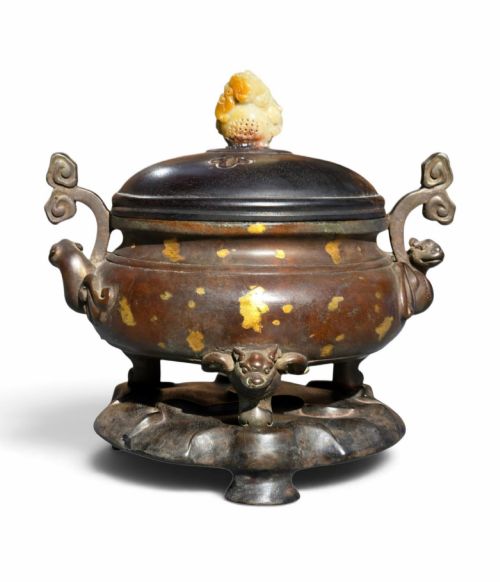
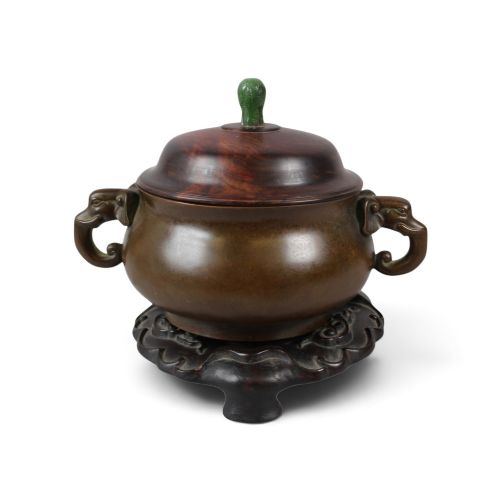
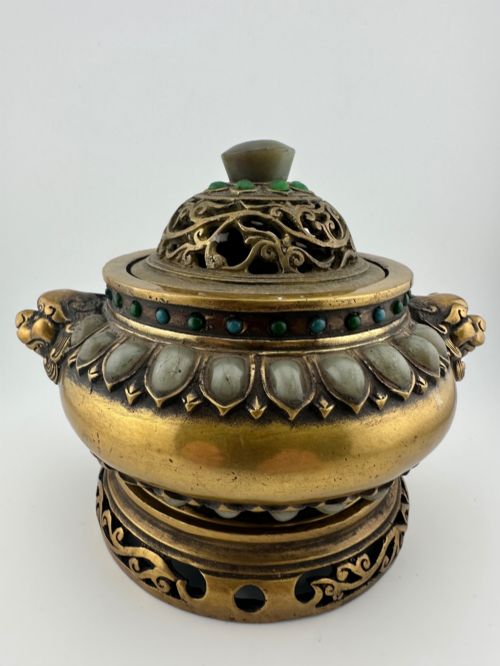
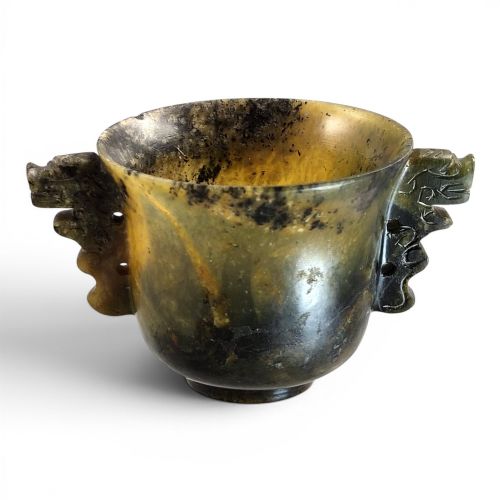
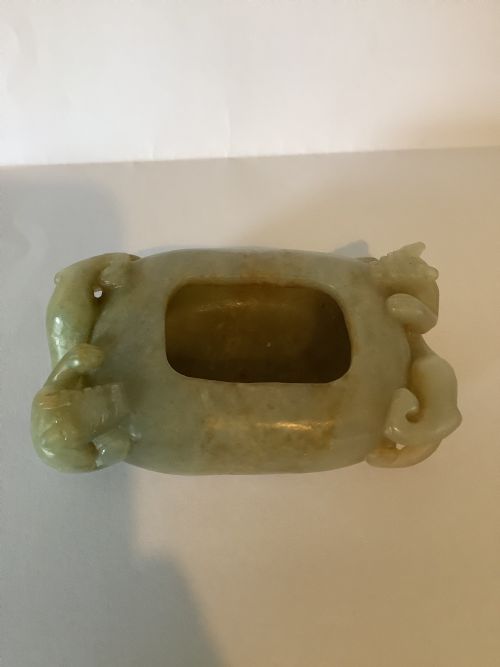
The forms on this page include tripod censers with covers and stands, brush washers for scholars, lotus-form cups, ceremonial vessels and ashtrays. Many incorporate related materials such as bronze, hardstone, gold gilt and hardwood stands.
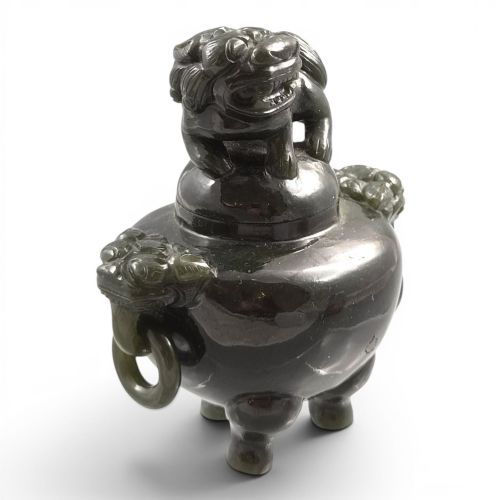
The decorative styles reflect Chinese traditions, notably the Qing Dynasty, Chinese Republic Period and archaic motifs like taotie handles and elephant-head handles. Pieces often feature detailed carvings of foo dogs, dragons and naturalistic lotus elements.
How they were made
Lapidaries worked natural minerals including nephrite, dark green jade, pale green and russet jade, pale celadon jade and hetian jade using abrasive cutting and grinding techniques. Hardstone and bronze components were frequently cast or inlaid to complement the carved stone bodies.
Makers integrated supporting elements such as custom hardwood stands, gold gilt splashes and silver enamelling to enhance the visual weight and presentation of the vessels. Details like foo dog finials and handles were painstakingly sculpted to echo ancient ritual bronzes.
Antique Jade Vessel Retail Price Guide 2026
Typical asking prices for jade vessel among the pieces listed under this phrase on Sellingantiques today, from the lower quarter to the upper quarter. They describe what is for sale here now, not the wider market.
Listings feature nephrite, dark green jade, and pale celadon stones alongside bronze, hardwood, and gold gilt elements.
What varies in quality
Quality rests in the purity and natural colour variation of the jade or nephrite, alongside the crispness and depth of the carving. Superior examples display masterful handling of the stone's natural russet inclusions and precise symmetry in archaic motifs.
The integration of secondary materials dictates overall refinement, from the casting of the bronze bodies and intricate silver enamelling to the fit of custom hardwood stands and carved jade finials.
The Antique Jade Vessel Glossary
- Nephrite
- A dense, tough amphibole mineral that constitutes the primary material for traditional Chinese carved vessels. It is harder than steel and resists fracturing during intricate carving.
- Archaistic
- A design style that imitates ancient ritual bronzes and vessels from earlier dynasties. This aesthetic was particularly popular during the Qing period.
- Brush Washer
- A scholar's vessel designed for rinsing ink brushes during calligraphy and painting. These pieces are often shallow and carved from pale green or russet jade.
- Celadon
- A pale green jade or glaze tone resembling sea-green ceramics. It derives from iron content within the stone or glaze reacting during formation.
Antique Jade Vessel: Frequently Asked Questions
How do I date an antique jade vessel?
Dating relies on examining the carving style, motifs such as taotie masks or dragon details, and the associated materials like bronze mounts or hardwood stands. Pieces often align with Qing Dynasty aesthetics, the Republic period, or later nineteenth and early twentieth century interpretations.
Comparing the tool marks, patination on any bronze or silver elements, and the specific variety of nephrite or hardstone helps narrow down the period of manufacture.
What is archaic style jade?
Archaic style jade refers to pieces carved during later eras, such as the Qing Dynasty, that consciously replicate the shapes, decorations, and ritual significance of much older bronze vessels. Makers drew inspiration from ancient ritual objects to connect modern craftsmanship with historical authority.
These works feature traditional elements like animal-head handles and stylised masks, translating bronze casting forms into carved nephrite and hardstone.
How should I care for an antique jade vessel?
Nephrite and jade are durable minerals, but older vessels often feature delicate carved details, thin rims, or mounted elements like bronze stands and silver enamelling that require careful handling. Dust them gently with a soft cloth and avoid abrasive cleaning agents or harsh chemicals.
Keep them away from rapid temperature fluctuations and secure any loose components, such as covers or custom hardwood stands, to prevent accidental damage.