



Antique Iron Wall Brackets
Antique iron wall brackets hold up everything from lanterns and bells to trade signs and heavy shelves across Victorian and early twentieth century interiors.
Antique Iron Wall Brackets
When you search for antique iron wall brackets, you encounter structural and decorative supports forged or cast for domestic, trade and architectural use. The selection spans the Victorian and Edwardian eras into the early twentieth century, including pieces dated around nineteen hundred, nineteen ten, nineteen twenty and nineteen thirty.
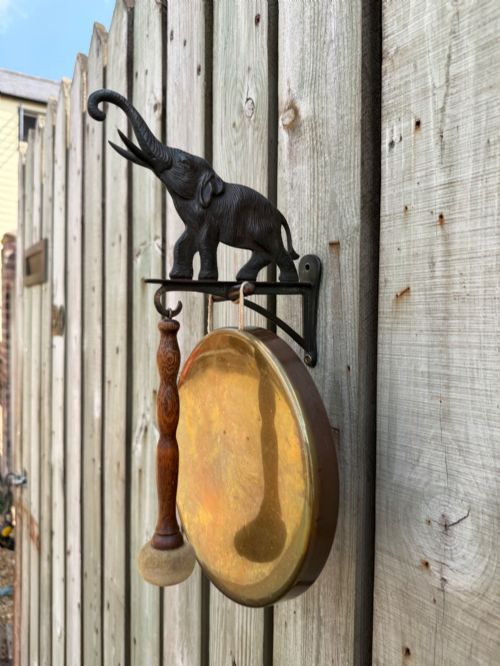
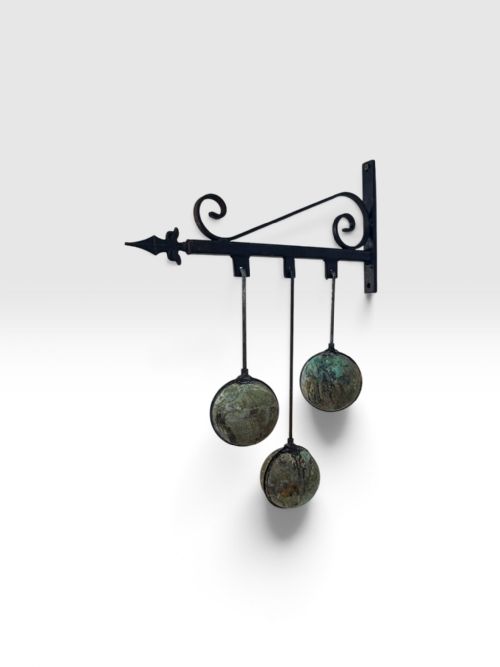
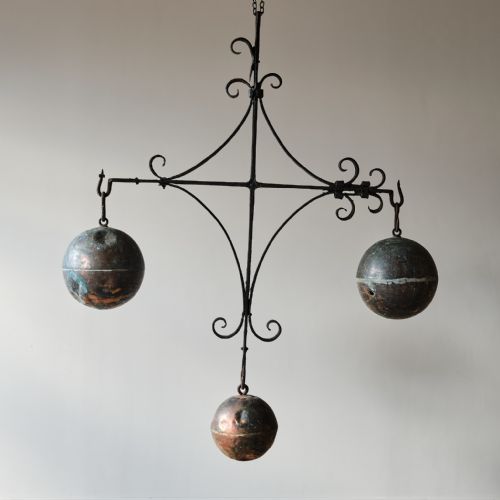
The forms vary widely according to their original purpose. You find shelf brackets, sign brackets, sink supports with dragon motifs, and hanging hardware for bells and lanterns alongside architectural salvage.
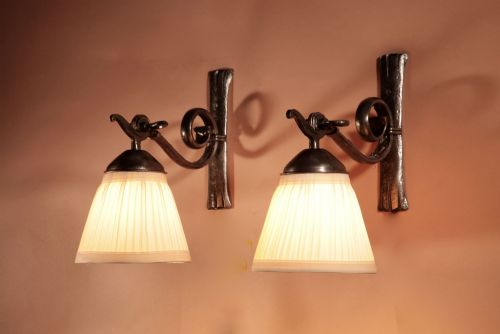
Origin and style descriptions stretch from British Victorian workshops to French Country, Italian Rococo and Gothic Revival designs. Many pieces combine functional ironwork with glass, wood, copper, bronze or gold leaf details.
How they were made
Makers shaped these supports using cast iron and wrought iron techniques, often combining them with bronze, copper or glass elements. Cast iron pieces allowed for intricate moulded details such as dragons and decorative scrolling.
Wrought iron versions relied on traditional blacksmithing methods of heating and hammering to achieve strong, load-bearing profiles for heavy signs and shelf brackets.
Surface treatments included paint, gilding with gold leaf and polychrome finishes, particularly on Italian and French decorative wall lights and brackets from the early twentieth century.
Antique Iron Wall Brackets Retail Price Guide 2026
Typical asking prices for iron wall brackets among the pieces listed under this phrase on Sellingantiques today, from the lower quarter to the upper quarter. They describe what is for sale here now, not the wider market.
Several brackets doubled as security for heavy bronze tower bells and pawnbrokers' swinging trade signs.
What varies in quality
Quality rests upon the crispness of the casting or the skill of the blacksmith's hand in shaping the metal. Superior examples display clean lines and well-defined decorative motifs rather than blunt or heavy-handed execution.
The integrity of the material and the survival of original surface finishes determine the character of a piece. Retained layers of early paint or gold leaf add depth that scrubbed or stripped metal often lacks.
REVO·Revo Tipton
The Antique Iron Wall Brackets Glossary
- Wrought iron
- Iron that has been heated and hammered by hand into shape, identifiable by its fibrous texture and strength. It differs from cast iron, which is poured into a mould.
- Cast iron
- Iron poured in a molten state into a sand or metal mould to create detailed forms. This technique produced decorative brackets with dragons and floral motifs.
- Architectural salvage
- Building elements rescued from structures slated for demolition or alteration. These items retain historical construction materials and forms.
- Gothic Revival
- A design style drawing inspiration from medieval architecture, seen in pointed arches and decorative ironwork. It reemerged strongly during the nineteenth century.
Antique Iron Wall Brackets: Frequently Asked Questions
How heavy are cast iron shelf brackets?
Cast iron shelf brackets carry substantial weight due to the density of the metal used in their production. Sets designed for heavy duty applications require secure wall fixings to support their own mass alongside any loaded shelf.
Smaller domestic brackets weigh considerably less, making them suitable for lighter display shelves or decorative wall lighting mounts.
Can antique brackets hold heavy shelves?
Many surviving iron brackets served functional roles in trade and domestic settings, meaning they were engineered to bear significant loads. Structural integrity depends on the original thickness of the metal and the condition of the mounting points.
Evaluating the depth of the bracket arm helps determine the appropriate shelf width it can safely support in a modern room.
How do I identify Victorian ironwork?
Victorian iron brackets often feature utilitarian or ornate cast forms, sometimes incorporating gothic revival motifs or decorative elements like dragons. Production methods of the nineteenth century typically leave distinct casting seams or hand-hammered hammer marks on wrought examples.
Matching the design characteristics to documented architectural catalogues from the period confirms the era of manufacture.
Are these brackets painted or bare metal?
Many pieces retain traces or full layers of historic paint finishes, sometimes applied over successive decades of use. Others show dark patinated iron surfaces resulting from age and environmental exposure.
Surface treatments vary from plain black protective coatings to decorative polychrome and gold leaf applications found on continental wall lights.